Trajan Square Timisoara
Trajan Square anchors the Fabric district of Timisoara, Romania, a working neighborhood of grand churches, Secession facades and market streets across the Bega.
Short answer
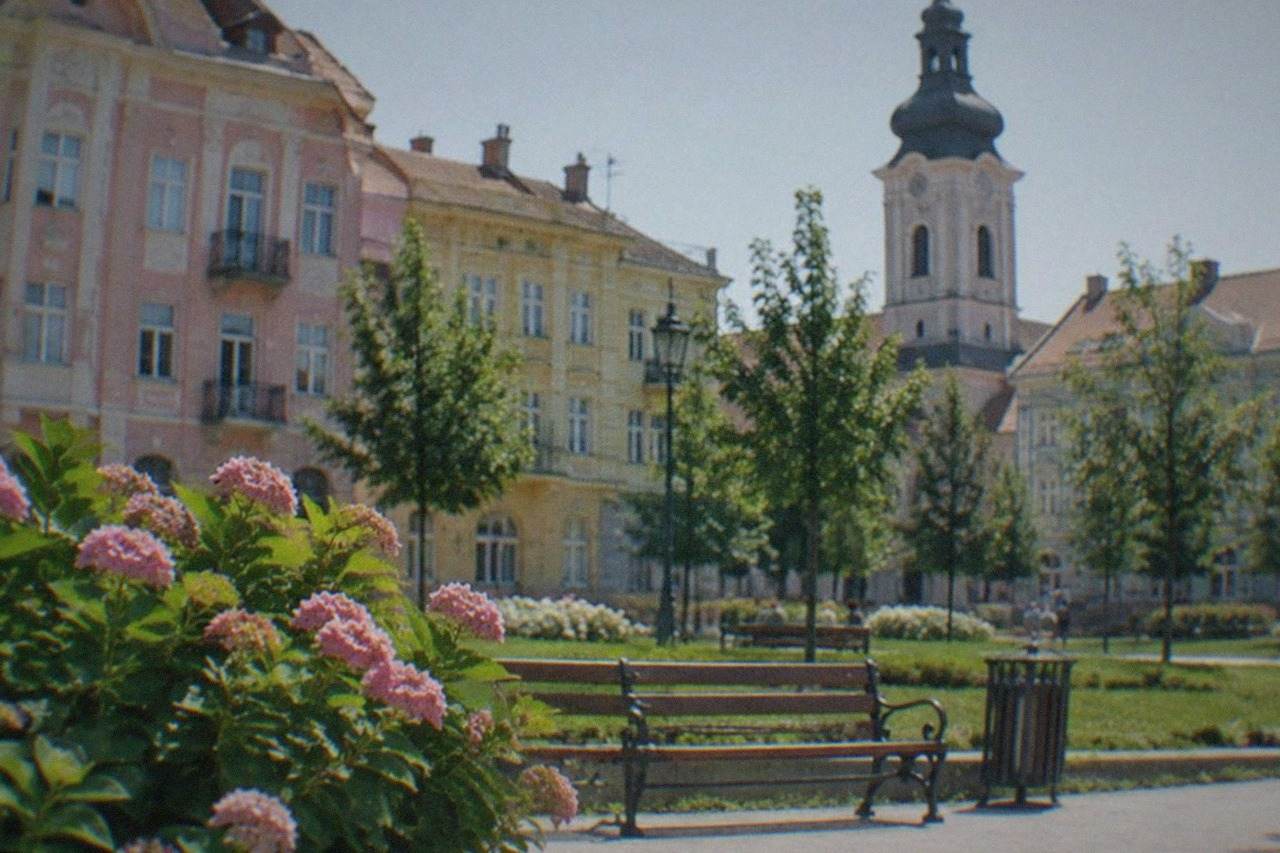
Trajan Square (Piata Traian) is the main square of Timisoara's Fabric district, a short tram ride east of the old town across the Bega canal. It is known for the Millennium Church, its mix of Secession and historicist architecture, and the 2026 pedestrian-friendly renovation works that have closed the square to trams until the end of the year.
Trajan Square, known locally as Piata Traian, is the main square of the Fabric district in Timisoara, a city in Timis County, in the Banat region of western Romania. While many visitors stay within the baroque lanes of the Cetate old town around Union Square, Fabric is where the city's industrial, religious and architectural history gets louder and more layered. The square itself sits at the center of a neighborhood built for the workers, merchants and congregations of the nineteenth century, and in 2026 it is in the middle of one of the most visible urban regeneration projects in the city. This guide covers what the square is, what to see around it, how to reach it while the trams are diverted, and when to go.
What Is Trajan Square In Timisoara?
Trajan Square (Piata Traian) is the central square of the Fabric district, the historic eastern neighborhood of Timisoara, Romania, that grew outside the old fortress walls along the Bega canal. It is a roughly rectangular public space ringed by Secession, historicist and interbellum buildings, dominated by the towers of the Millennium Church on its eastern side, and it functions as Fabric's market, meeting point and transport hub all at once. Unlike the polished squares of Cetate, it still feels like a neighborhood square first and a sight second.
That last quality is exactly why it rewards the short trip across the canal. The square was historically the commercial heart of Fabric, one of the three outer districts, alongside Iosefin and Elisabetin, that the Habsburg administration opened for settlement once the fortress walls stopped constraining the city. Fabric in particular absorbed the city's trades and small industry, and the square collected the churches, schools and market halls that served them.
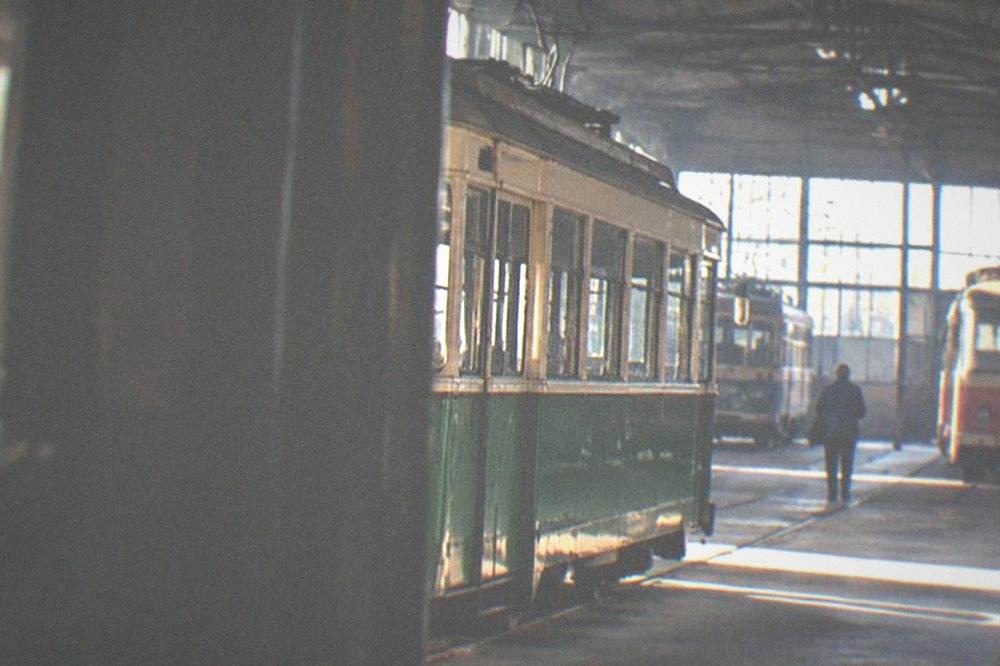
Timisoara, or Timișoara in its Romanian spelling, has a documented habit of firsts, and several of them touch this district directly. The first horse-drawn tram in the Habsburg Empire began running on 8 July 1869 from Piata Sf. Gheorghe in Cetate to Fabric, which makes this neighborhood part of the very first chapter of the city's public transport story. The line was extended to the Iosefin railway station that October. When the square's tram tracks were laid, they followed a route that had been moving people for over a century and a half.
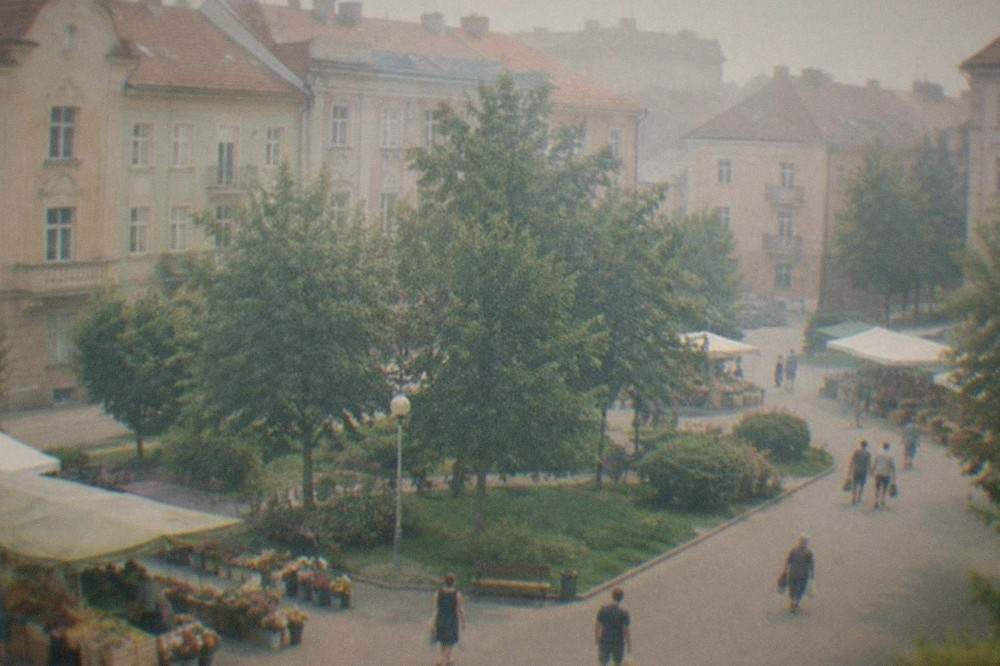
Today the square is a working crossroads. Vendors sell flowers and produce at its edges, the church bells keep the schedule, and residents pass through on their way to the shops along nearby streets. It is also, since August 2026, a construction site in the positive sense: the square has been closed to trams while the city rebuilds it as a more pedestrian-friendly space, a project covered in detail further down this guide.
Where Is Trajan Square And Which Timisoara District Is It In?
Trajan Square sits in the Fabric district, east of the Cetate old town and across the Bega canal, in the part of Timisoara that was developed outside the demolished fortress walls from the eighteenth century onward. The square is bounded by the Millennium Church on one side and a ring of late nineteenth and early twentieth century buildings on the others, and it is the natural orientation point for exploring the whole of Fabric, including the Fabric Synagogue and the streets running down to the water.
Fabric was one of the districts the authorities opened when the fortress could no longer hold the growing population. Its name, German for factory, says what it became: the district of trades, mills and workers, more industrial in character than the genteel Iosefin or the student-flavored Elisabetin. The architecture records that history. Along the streets around the square you find Orthodox, Roman Catholic, Reformed and Lutheran churches standing within a few blocks of one another, plus the former synagogue, a footprint left by the multilingual Banat mix of Romanians, Hungarians, Germans, Serbs and Jews.
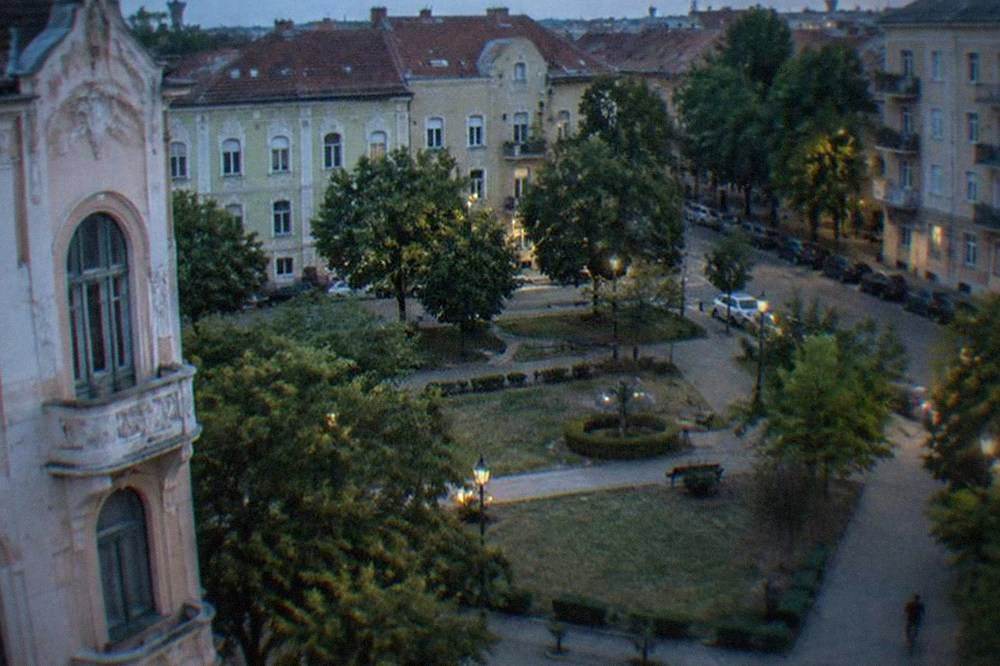
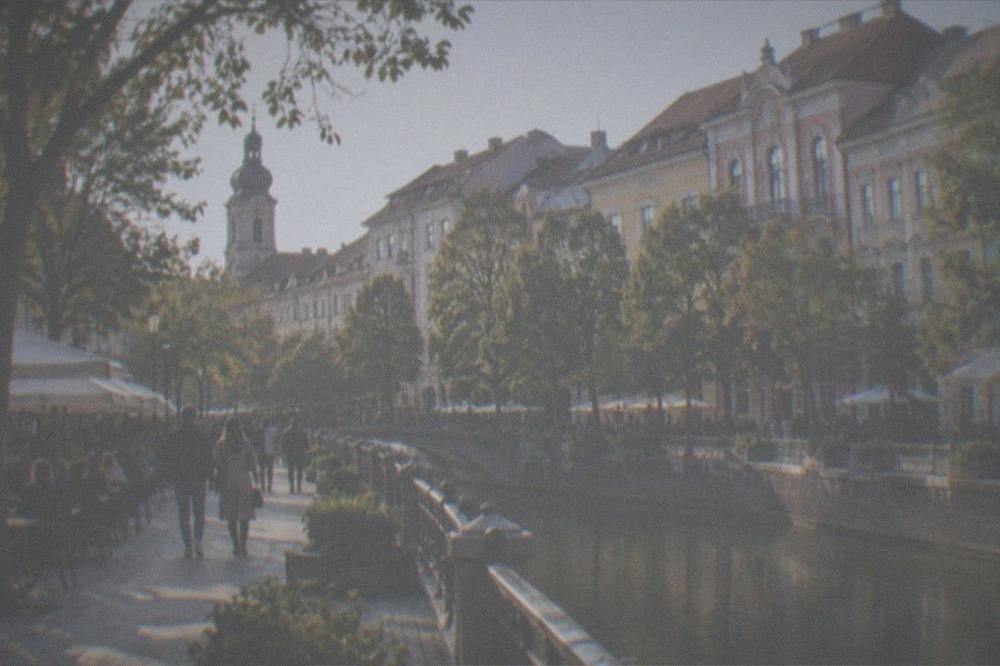
The square's own buildings are worth reading slowly. Facades in the Historicist style sit next to Secession (the local branch of Art Nouveau) details, and the mix is less restored, more honest, than the showpieces around Victory Square. Photographers tend to prefer Fabric precisely because the patina is real. The city's 2023 European Capital of Culture program, which Timisoara held alongside Elefsina in Greece and Veszprem in Hungary, pushed fresh investment into these outer districts, and Fabric collected a large share of it.
For orientation, think of the square as the hub of a wheel. North and west, the streets run down toward the Bega canal and its promenade. East, the district continues toward the older workers' housing and the green spaces beyond. South, the grid of Fabric streets stretches toward the railway. Almost everything worth seeing in the district is within an easy flat walk of the square, and the terrain here is pancake-flat, like most of the city.
A guided walk is the efficient way to absorb all of this context, and the city has several strong options. The trio below is a good starting point.
What Can You See Around Trajan Square In Timisoara?
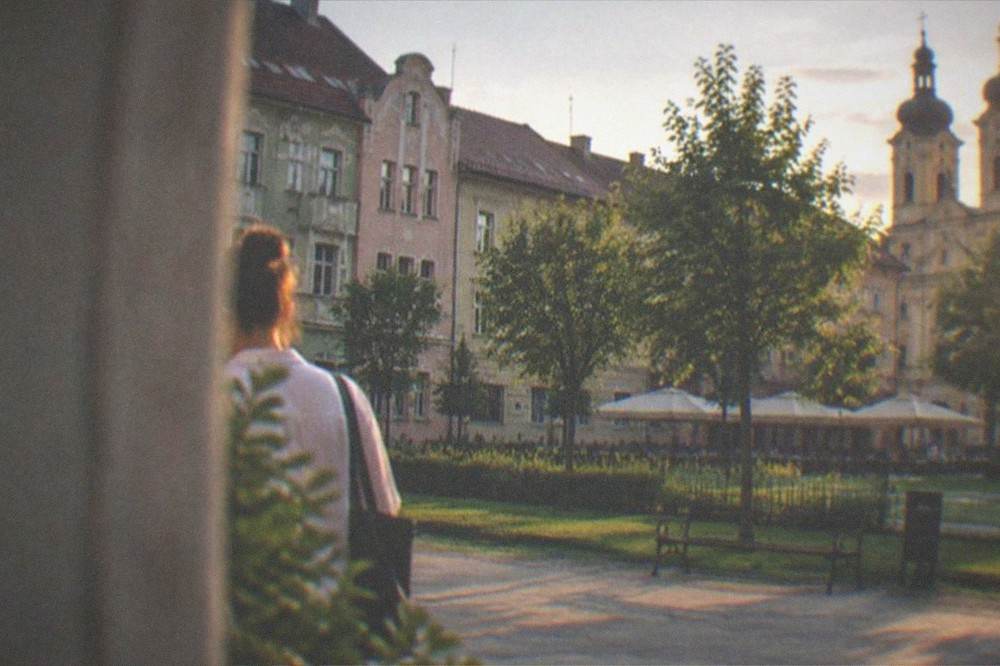
The unmissable landmark at Trajan Square is the Millennium Church, the large Roman Catholic church whose towers define the square's skyline, and within a short walk of it you reach the Fabric Synagogue, several other historic churches, and the Bega canal promenade. The square also gives direct access to the market streets of the Fabric district, where the architecture runs from historicist to Secession with barely a modern interruption.
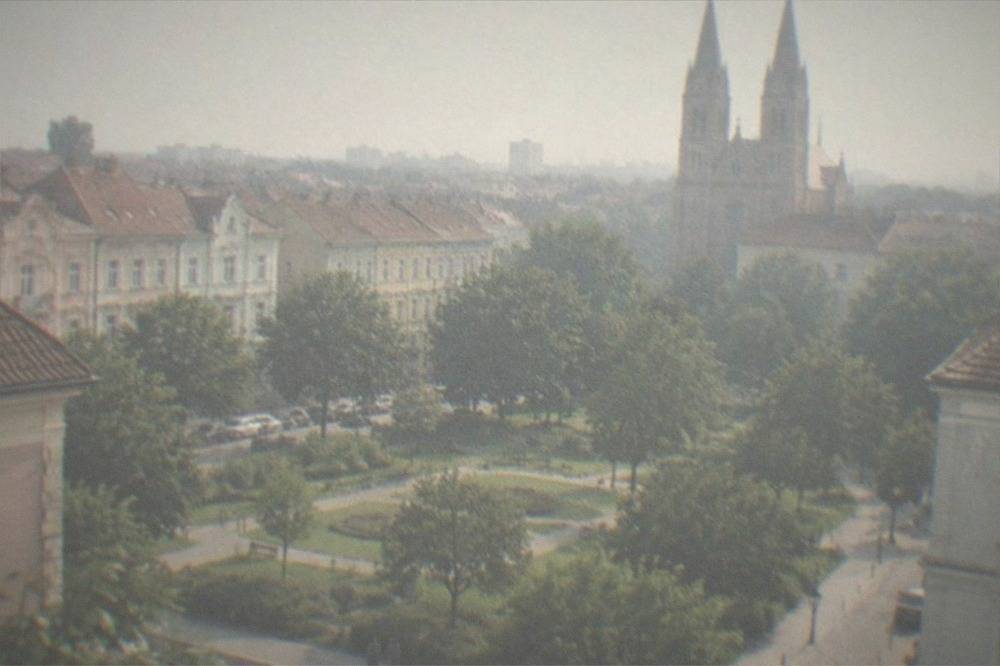
The Millennium Church is the anchor. It is one of the most photographed buildings in the district, and its neo-gothic towers can be seen from several streets away. Like many religious buildings in the city, its interior reflects the mixed congregations of the Banat. The hours and fees of individual churches in Timisoara are not reliably published, so treat any visit as best-effort: if the doors are open, go in, and if not, the exterior rewards a slow circuit.
A few blocks from the square stands the Fabric Synagogue, one of the city's two historic synagogues. The other, the Cetate Synagogue, has been undergoing a restoration that was described as nearly complete in December 2025. The Fabric building is a moorish-revival landmark from the district's golden era, and it is a reminder that this neighborhood once held one of the significant Jewish communities of western Romania. For the deeper history of that community and of the city generally, the guided walks below cover ground that is easy to miss on one's own.
The Classic Tour of Timisoara is the natural fit for this district, because it builds the city's story square by square, and the story of Fabric only makes sense against the story of Cetate. The tour's price, rating and duration are shown on the operator's live listing, and you can check current availability before you commit. Check availability
Beyond the churches, the district's everyday fabric is the attraction. Here is what sits in and around the square:
| Place | What it is | Relation to the square |
|---|---|---|
| Millennium Church | Large Roman Catholic church, neo-gothic towers | On the square itself, its visual anchor |
| Fabric Synagogue | Moorish-revival synagogue from the district's golden era | A few blocks away in Fabric |
| Bega canal promenade | Riverside walk and the seasonal water bus | Downhill from the square, west side of Fabric |
| Fabric market streets | Local produce, flowers, small shops | At the square's edges and adjoining streets |
| Secession facades | Unrestored Art Nouveau detail on residential buildings | Throughout the blocks around the square |
The Bega canal deserves a special mention. The canal, whose regulation began in 1728 when it became the first navigable canal in Romania, bounds the district on the west, and the city has been investing heavily in its banks: in 2026 alone, the municipality announced works to free more than 2,000 square meters on Bulevardul Vasile Parvan for new park space, and two mini urban forests were planted along the water in April 2026. The seasonal water bus, the vaporetto, runs on the canal from April to the end of October with nine stops per direction, and a standard ticket covers it, one of the more pleasant ways to approach the district from the water.
How Do You Get To Trajan Square In Timisoara?
The simplest way to reach Trajan Square is by tram, since Fabric has been on the city's tram network since the first horse-drawn line of 1869, but there is a catch in 2026: the square has been closed to trams since 3 August 2026 because of renovation works, with lines diverted until the end of the year, so you ride to a nearby stop and walk the last stretch. A single 60-minute ticket costs 5 lei and covers all modes including the vaporetto.
The tram network matters here more than in most cities, because Timisoara was the first city in Romania with an electric tram, in 1899, and the network's nine lines still knit the districts together. The verified fares are simple: a 60-minute single ticket is 5 lei, a one-day pass is 18 lei, a 30-day general pass is 160 lei and an annual general pass is 1,320 lei. Payment options include contactless bank cards at the POS terminals in vehicles, e-wallet cards, SMS, mobilPay, the eTicket platform and STPT sales points. Two third-party ticketing apps, Tranzy and 24Pay, were discontinued in 2026, so do not rely on either.
| STPT ticket | Price | Notes |
|---|---|---|
| Single, 60 minutes | 5 lei | All modes, including the vaporetto |
| One-day pass | 18 lei | Also valid on the water bus |
| 30-day general pass | 160 lei | All lines, all modes |
| Annual general pass | 1,320 lei | All lines, all modes |
The 2026 closure is the practical detail to plan around. The square's tram stops have been out of service since 3 August 2026, with the city's transport operator, STPT, diverting the affected lines and running replacement services while the pedestrianization works proceed. The works are scheduled to run until the end of 2026. That means the square is currently quieter and more walkable than it has been in decades, which is arguably the best possible moment to photograph it, but it also means checking the operator's live alerts before you travel. Real-time arrival information is available on the operator's live map.
If you are driving, note that paid parking in central Timisoara is managed by the municipal operator TimPark through color-coded zones, with the highest rates and shortest time limits in the ultra-central areas. The payment app, SMS codes and parking meters all work, but the zone you park in determines the price, so check the signage. Cycling is a genuinely good option too: the terrain is flat, the bike-share system VeloTm is run by the same transport operator, and the Bega banks give you a traffic-free approach to the district.
What Is The History Of Trajan Square And The Fabric District?
The Fabric district grew outside Timisoara's fortress walls after the eighteenth century, when the Habsburg administration opened land beyond the defenses for settlement, and Trajan Square developed as its commercial and religious center. The district was on the route of the first horse-drawn tram in the Habsburg Empire, which began running from Cetate to Fabric on 8 July 1869, and its churches and synagogues record the multilingual Banat population of Romanians, Hungarians, Germans, Serbs and Jews that made the neighborhood what it is.
The historical names of the city frame the story. Under its Hungarian name, Temesvar, and its German name, Temeswar, the city was a Habsburg provincial capital, and the three outer districts, Cetate aside, were its expansion zones. Fabric took the industry, Iosefin took the administration and gardens, Elisabetin the residential grid. The city's own list of documented firsts, published by the municipality, shows how early infrastructure followed the people: the first telegraph service in Romania in 1854, the first telephone network in 1881, and the first electric tram in 1899, the same decade the fortress walls started coming down following an 1892 decision. The full index of guides sits on Timisoara Travel Guide.
| Year | Documented city first | Source status |
|---|---|---|
| 1728 | Start of canalising the Bega, first navigable canal in Romania | Verified, city hall list |
| 1771 | First newspaper printed in Romania | Verified, city hall list |
| 8 July 1869 | First horse-drawn tram in the Habsburg Empire, Cetate to Fabric | Verified, city hall archive |
| 12 November 1884 | First city on mainland Europe with electric street lighting | Verified, city hall list and EC page |
| 1899 | First electric tram in Romania | Verified, city hall list |
| 1953 | Only European city with three state theatres, in Romanian, Hungarian and German | Verified, city hall list |
The square's twentieth century was harder. Like the rest of Timisoara, Fabric lived through the communist nationalizations, which emptied many of the district's grand apartments and left the facades to weather for decades. Then came December 1989, when the revolution that ended the Ceausescu regime began in this city, commemorated today at the Memorial Museum of the Revolution. The memorial, in the old town, is the place to understand what happened here before you read the district's walls as mere scenery.
The twenty-first century brought the slow recovery. The 2023 European Capital of Culture year, whose opening weekend ran from 17 to 19 February 2023, channeled investment and attention into the outer districts, and Fabric's squares and facades were among the beneficiaries. The 2026 works at Trajan Square are the next chapter of that same arc, and the city's tourism numbers show the direction of travel: arrivals grew from 153,794 in 2021 to 283,256 in the Capital of Culture year, and the city recorded 268,699 arrivals in the first eleven months of 2025 alone.
| Year | Tourist arrivals in Timisoara | Note |
|---|---|---|
| 2021 | 153,794 | Pandemic-era low |
| 2022 | 212,785 | Recovery year |
| 2023 | 283,256 | European Capital of Culture year |
| 2024 | 285,190 | Post-title consolidation |
| 2025 (Jan to Nov) | 268,699 | Eleven months only |
When Is The Best Time To Visit Trajan Square In Timisoara?
The most comfortable months to visit Trajan Square and the Fabric district are May, June and September, when Timisoara's continental climate gives warm days without the peak summer heat, and the square's outdoor life is at its fullest. July and August are the warmest months, with mean temperatures of 22.8 C and 22.5 C respectively, while January, at a mean of 0.0 C, is the coldest. June is the wettest month at 79.1 mm of rain, and March the driest at 34.1 mm.
Those figures come from the JMA/WMO CLIMAT climate normals for the Timisoara weather station, which sits at 86 meters of altitude, and they describe a genuinely continental pattern: cold winters, warm summers, and rain distributed through the growing season. The annual total is 600.7 mm. There is nothing Mediterranean about this city, and packing for it means layers in spring and autumn and a real coat in winter.
| Month | Mean temp (C) | Precipitation (mm) |
|---|---|---|
| Jan | 0.0 | 37.3 |
| Feb | 2.1 | 35.5 |
| Mar | 6.5 | 34.1 |
| Apr | 12.3 | 50.6 |
| May | 17.3 | 57.2 |
| Jun | 20.9 | 79.1 |
| Jul | 22.8 | 61.9 |
| Aug | 22.5 | 54.6 |
| Sep | 17.2 | 50.4 |
| Oct | 11.5 | 50.0 |
| Nov | 6.4 | 45.3 |
| Dec | 1.5 | 44.7 |
Two seasonal notes are worth adding. First, the vaporetto water bus on the Bega runs only from April to the end of October, so a warm-month visit lets you combine the square with a ride on the water. Second, winter has its own draw: the city's Christmas Market, held in Victory Square in recent years, is expected to run from late November into early January, though the 2026 dates had not been officially confirmed currently. Fabric in December is quieter, colder and cheaper, and the square's church towers in early winter light are a photographer's consolation for the short days.
What Is Being Renovated At Trajan Square In 2026?
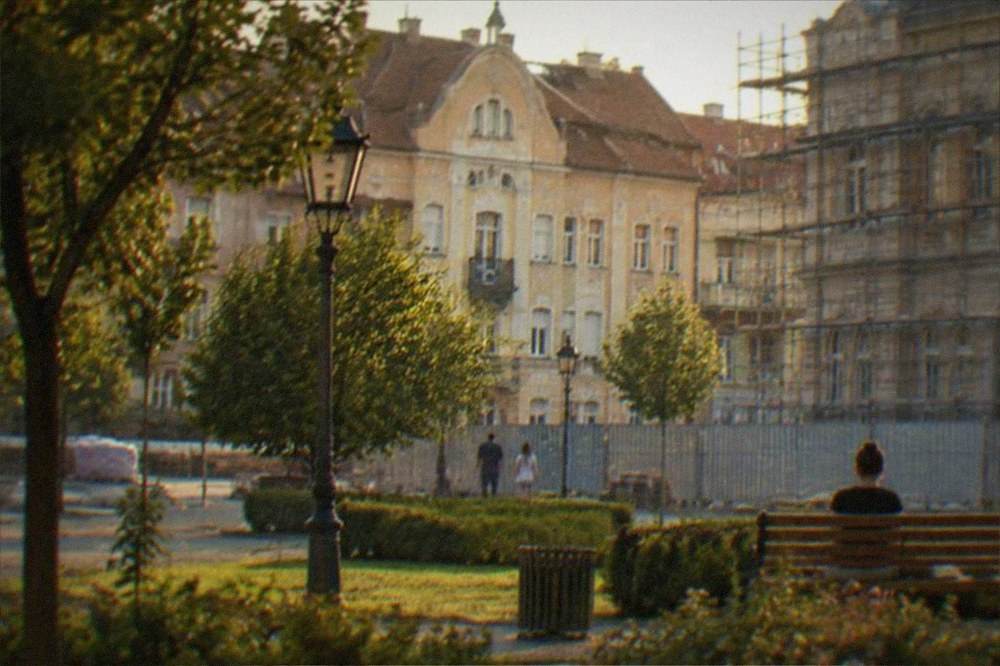
Trajan Square has been closed to trams since 3 August 2026 for a renovation that rebuilds the square as a pedestrian-priority space, with the works scheduled to last until the end of the year. The project is part of a wider regeneration of the Fabric district, whose new urban plan, given preliminary approval in October 2025, includes completing the Bega promenade, new green corridors on former riverbeds, and better pedestrian connections through the neighborhood.
For visitors, the works cut both ways. The diversions make arriving by tram slightly less direct, since the affected lines have been rerouted with replacement services, but they have also emptied the square of through traffic for the first time in generations. The market stalls and the church life continue around the fencing, and the district's streets are as walkable as ever. If your trip falls before the end of 2026, expect construction hoarding, not a closed square.
The bigger picture is that Fabric is the city's most active regeneration front. The Bega bank clearing announced in May 2026 will free more than 2,000 square meters for new park space on Bulevardul Vasile Parvan, and the district's urban plan calls for a completed promenade on the canal's south bank. Further afield but in the same spirit, the Iosefin neighborhood signed a December 2025 contract worth about 14.5 million euro for regenerating its historic public spaces, including Piata Mocioni. The whole city is mid-renovation, and Fabric is where you can watch it happen at street level.
If you want the district explained rather than just observed, a guided walk is the efficient choice, and the options below cover the city's squares with local guides.
The All in One walking and tram tour is a good match for a visit during the 2026 works, because it covers the city by tram as well as on foot, which is exactly how you want to experience a network city like this one. Its current price, rating and availability are on the operator's live listing.
What Else Should You Combine With Trajan Square In Timisoara?
The best combination with Trajan Square is a loop through the city's other historic squares and landmarks: Union Square and Liberty Square in the Cetate old town, Victory Square with the Opera and the 1989 Revolution sites, and the Bega canal in between, all connected by the same flat, walkable grid. Add the National Museum of Art in the Baroque Palace and the Memorial Museum of the Revolution for depth, and a single full day covers the square plus the essentials.
The old town core is the obvious pairing. Union Square holds the Baroque Palace, home of the National Museum of Art, whose summer hours run Wednesday to Sunday from 13:00 to 21:00 between 1 June and 30 September, with winter hours of 10:00 to 18:00 from 1 October to 31 May. Liberty Square sits between them, smaller and quieter. The Serbian Orthodox Cathedral and the St George Roman Catholic Cathedral both stand within the old town, a reminder that the Banat's religious diversity is not a Fabric curiosity but a city-wide trait.
| Nearby sight | District | Verified practical detail |
|---|---|---|
| National Museum of Art | Cetate, Union Square | Summer hours Wed to Sun 13:00 to 21:00; winter Wed to Sun 10:00 to 18:00; closed Mon and Tue |
| Memorial Museum of the Revolution | Cetate | Adults 20 lei; open Mon to Fri 08:00 to 17:00, Sat to Sun 10:00 to 18:00 |
| Banat Village Museum | North-east of center | Wed to Sat 10:00 to 18:00, Sun 12:00 to 20:00; closed Mon and Tue |
| Theresia Bastion | Cetate edge | Hours and fees not reliably published, check on site |
| Romanian National Opera | Victory Square | Programming active, check the season schedule |
For a half-day beyond the city, the Banat Village Museum collects the region's rural architecture in one open-air site, and it also hosts the city's summer festivals. The Romanian National Opera in Victory Square keeps a full program, and catching a performance is one of the more under-rated city-break moves here. The full picture of the city's offering, from the old town to the outer districts, is on the main things to do in Timisoara page, and this square is the piece of that puzzle most guides skip.
For planning a longer stay, the site's own itineraries, from one day to a full week in western Romania, build outward from exactly these neighborhoods, and the Theresia Bastion makes a natural bookend on the Cetate side of the same walk.
The city's guided walks come in several shapes, and the trio below collects the strongest options for covering the squares and the stories between them.
Among them, the shorter highlights option suits visitors with only a few hours to spare, and its live listing carries the current price, rating and duration.
Common Questions About Trajan Square In Timisoara
Is Trajan Square in Timisoara worth visiting?
Yes, especially for visitors who have already seen the old town and want the city's other face. Trajan Square is the authentic heart of the Fabric district, with the Millennium Church, market life and unrestored Secession architecture, and in 2026 the tram-free square is calmer than it has been in decades.
How do I get to Trajan Square in Timisoara in 2026?
Ride the tram toward Fabric and expect to walk the final stretch: the square has been closed to trams since 3 August 2026 for renovation works scheduled to run until the end of the year, with lines diverted and replacement services running. A 60-minute ticket costs 5 lei and is payable by contactless card on board.
What is the main landmark at Trajan Square?
The Millennium Church, the large Roman Catholic church whose neo-gothic towers define the square's skyline. Its interior, like several of the city's churches, has no reliably published hours, so plan for an exterior visit with a look inside if the doors are open.
Is Trajan Square far from the Old Town of Timisoara?
No. Fabric begins just across the Bega canal from the Cetate old town, and the walk between Union Square and the Fabric district is flat and short. The vaporetto water bus on the canal, running April to October, is an alternative approach by water.
Can you visit the Fabric Synagogue from Trajan Square?
The Fabric Synagogue stands a few blocks from the square within the same district, so yes, it fits naturally into any Fabric walk. Its counterpart, the Cetate Synagogue, was described as nearly finished with its restoration in December 2025.
When is the best time of day to see Trajan Square?
Morning is when the market life is at its most active, while late afternoon and early evening give the warmest light on the church towers and facades. During the 2026 works, midday is the quietest and easiest time to photograph the square without traffic.
Whatever the season, the square rewards visitors who arrive with its context in hand: a district built by the city's trades, served by its first tram line, and now being rebuilt for its next century. That is the whole story of Timisoara in one public space.