Decebalus Rock Sculpture
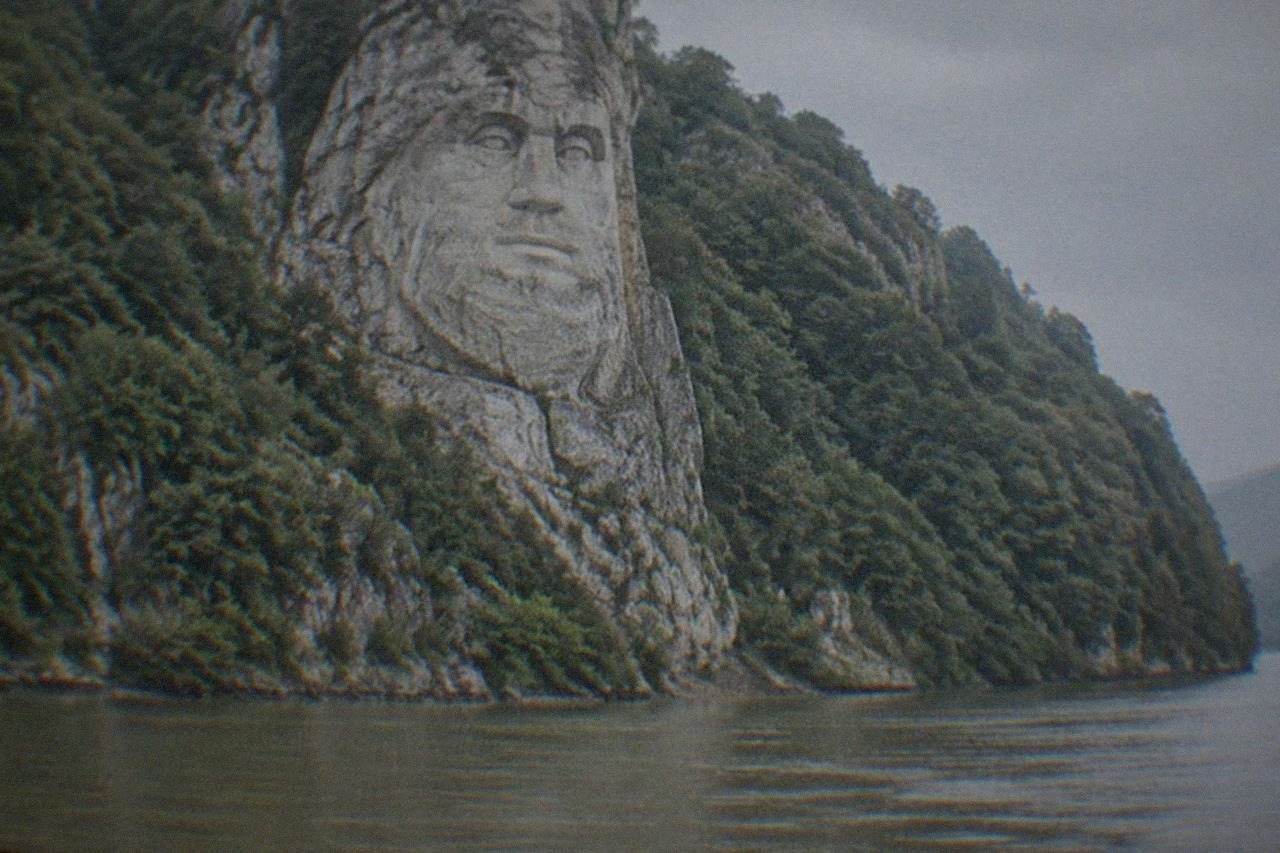
The Decebalus Rock Sculpture is one of the most striking sights reachable on a long day trip from Timisoara: a giant stone face of the last Dacian king carved into a cliff above the Danube, in the gorges where Romania meets Serbia.
Short answer
The Decebalus Rock Sculpture is a monumental carved face on a Danube cliff in southwestern Romania, best visited from Timisoara on a full-day tour of the Danube Gorges region, often combined with Bigar Waterfall or Baile Herculane.
The Decebalus Rock Sculpture is the most dramatic sight you can chase on a long day trip out of Timisoara, the main city of the Banat region in western Romania. The carving stares out from a cliff above the Danube, downstream of where the river squeezes into the gorges that form the border with Serbia, and it has become the single most photographed landmark of this stretch of river. This page lays out what the sculpture is, how day trips from Timisoara work, which guided options reach the region, and how to plan the visit around seasons and budget.
What Is The Decebalus Rock Sculpture?
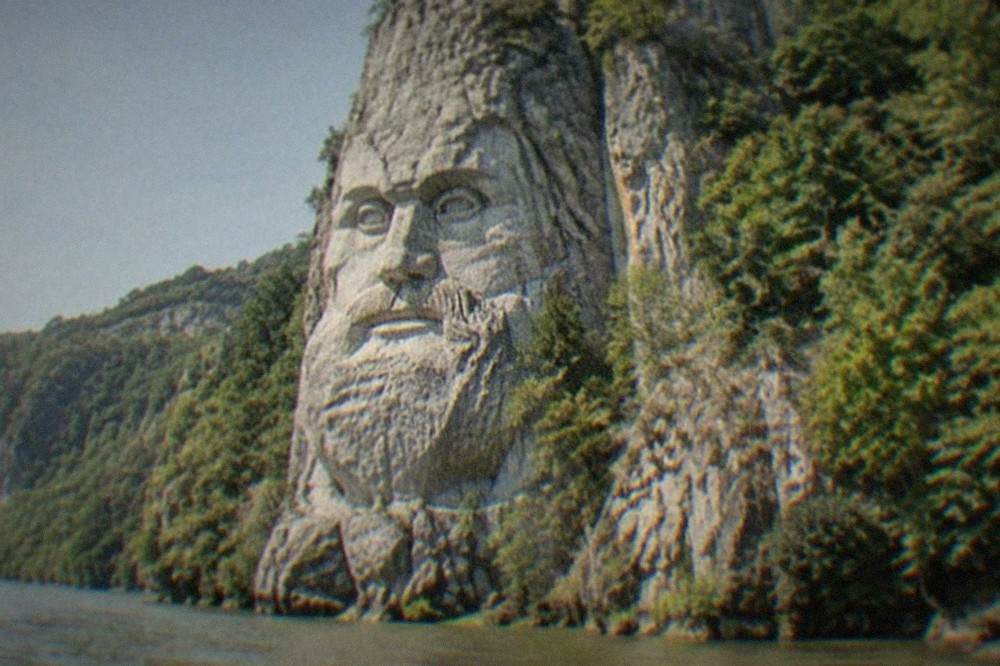
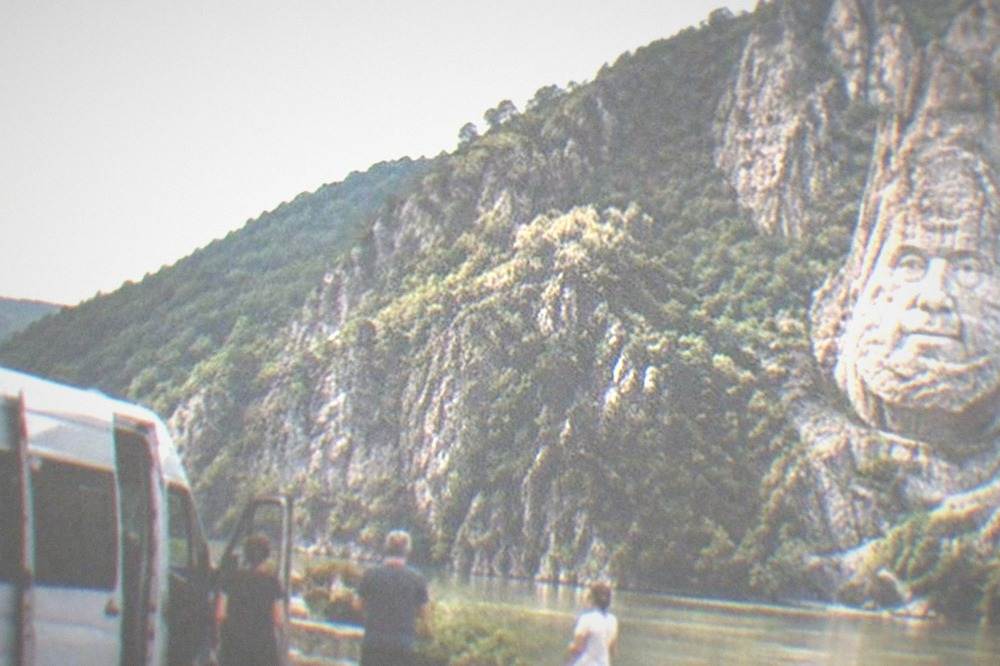
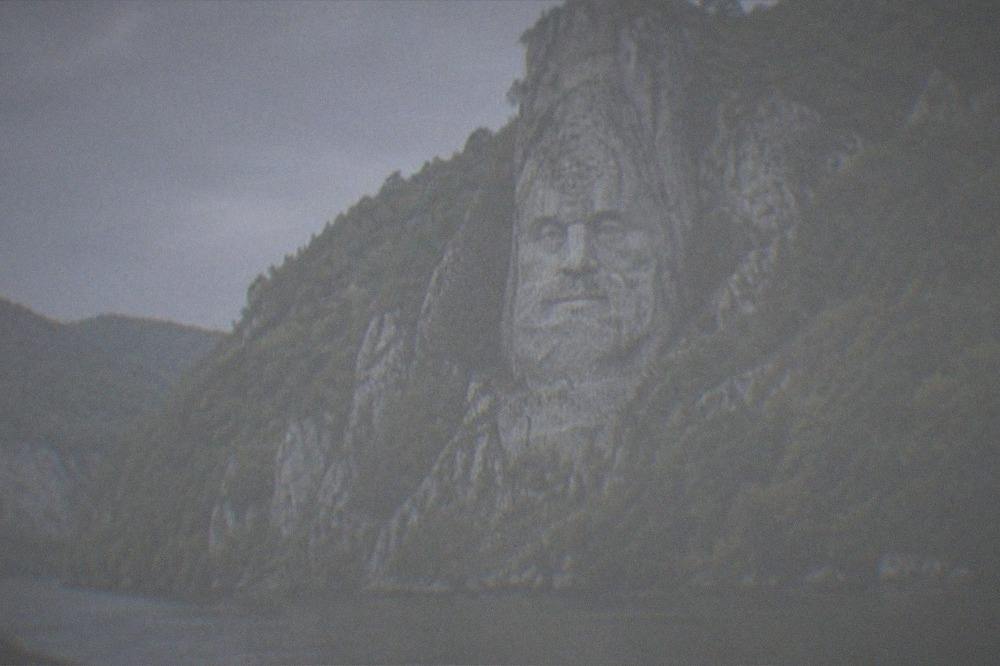
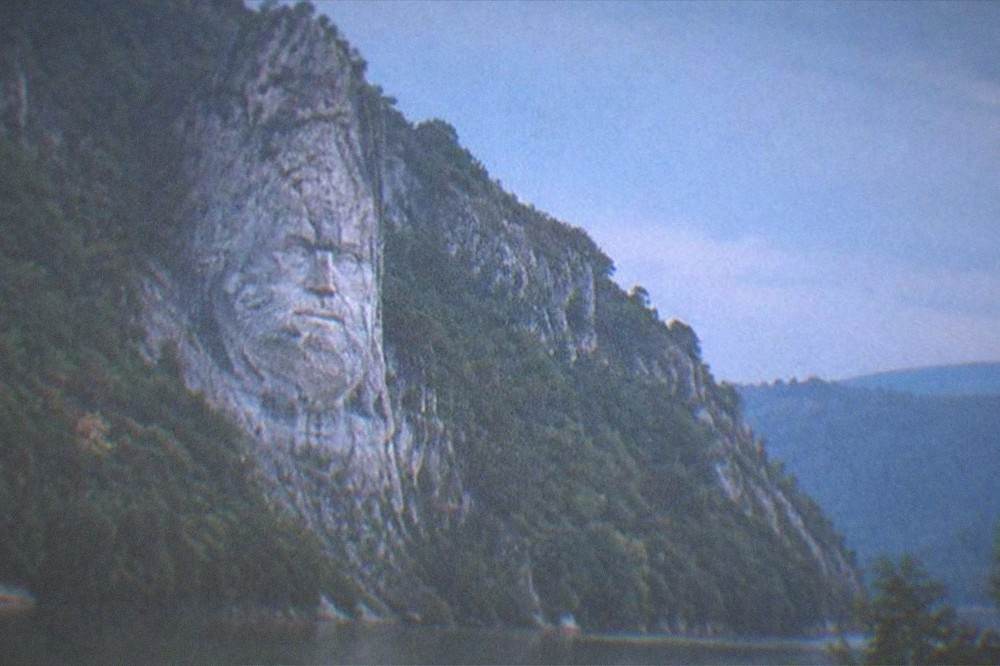
The Decebalus Rock Sculpture is a monumental relief of the face of Decebalus, the last king of the Dacians, carved into a sheer rock face on the Romanian bank of the Danube in the country's southwest. It shows a bearded, stern face gazing across the river toward Serbia, and it is the defining landmark of the Danube Gorges stretch, known locally as Cazanele Dunarii. The carving is modern rather than ancient, built as a tribute to Dacian heritage.
The idea behind the sculpture is simple and bold: give the Dacians, the people who resisted Roman expansion in this region in antiquity, a face as memorable as the landscape they lived in. Decebalus himself is the figure Romanians most associate with that resistance, so his likeness was chosen for the cliff. The result is a face that reads clearly from hundreds of meters away, framed by the forested rock walls of the gorges.
Timisoara, known as Timișoara in Romanian orthography and historically as Temesvár under Hungarian rule, sits in the Banat, and the Banat's own rivers and hills spill south toward this same corner of the country. That geographic logic is why the sculpture pairs so naturally with other Banat sights on a single long day out: the gorges, the waterfalls of the Caras-Severin hills and the old spa town of Baile Herculane all sit in the same general corner of Romania. The full picture of the region is covered in the Banat region overview, and the river gorges themselves get their own deep dive in the Danube Gorges Cazanele guide.
How Do You Get From Timisoara To The Decebalus Rock Sculpture?
The sculpture is reached from Timisoara as a full-day excursion into Caras-Severin county, heading south past Lugoj and Caransebes toward the Danube. There is no rail line along the river, so the practical options are a self-drive day on the region's roads, or a guided day trip that handles the driving and builds the gorges, the sculpture and nearby waterfalls into one route. Visitors from Timisoara can choose the guided option because the sightseeing is spread along the river.
Driving yourself gives you freedom to stop wherever the river view pulls you over, but the reward of the region is knowing where to stop, and that is exactly what a local guide supplies. The road route also links up naturally with other Banat destinations: Lugoj sits on the way south, and the detour country around the gorges includes Bigar Waterfall, the waterfall that has become a social-media fixture of Romanian tourism, plus the spa heritage of Baile Herculane.
If you are weighing guided options, these are the day trips from Timisoara that reach this corner of the country or pair well with it:
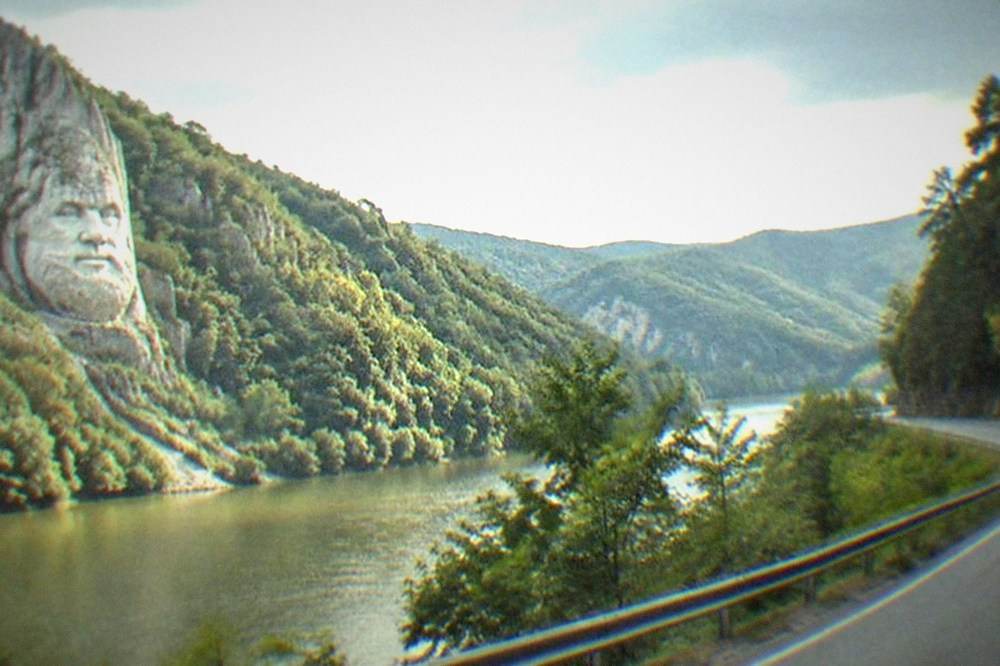
The border detail matters more than you might expect. The Danube here is the frontier between Romania and Serbia, and since Romania joined the Schengen area fully on 1 January 2025, the Hungarian land crossings north of Timisoara are internal borders with no routine checks. The Serbian side, across the river, remains an external Schengen border. Live border monitoring in September 2026 showed brief typical waits at nearby Romania-to-Serbia crossings such as Jimbolia and Moravita, so a crossing into Serbia to view the sculpture from the opposite bank is feasible but adds a border procedure to your day. Most day trips keep to the Romanian bank and view the face from the water or the shore.
Is The Decebalus Rock Sculpture Worth The Trip From Timisoara?
Yes, the sculpture is worth the trip from Timisoara if you have a full day to spare and want the most theatrical landscape in western Romania. The carving itself takes minutes to absorb, but it anchors a day of river gorges, boat-level views of cliff walls and forested ridges that no city sight can match. Travelers who enjoy scenery, photography and ancient-history symbolism get the most from it; visitors after museums and evening atmosphere should stay in town.
The honest framing is this: the sculpture is a landmark, not a museum. You will not spend hours at the cliff itself. What makes the day work is the combination, and the operators who run this route know it. A guided trip bundles the drive, the gorges viewpoints, a boat approach to the face where available, and usually at least one waterfall or spa-town stop, so the day fills itself.
If you would rather keep your day trip inside the city limits, the things to do in Timisoara page covers squares, museums and riverside walks. But if your trip has room for one big landscape day, this is the one most worth taking from the Banat's capital.
What Can You See On A Decebalus Rock Sculpture Day Trip?
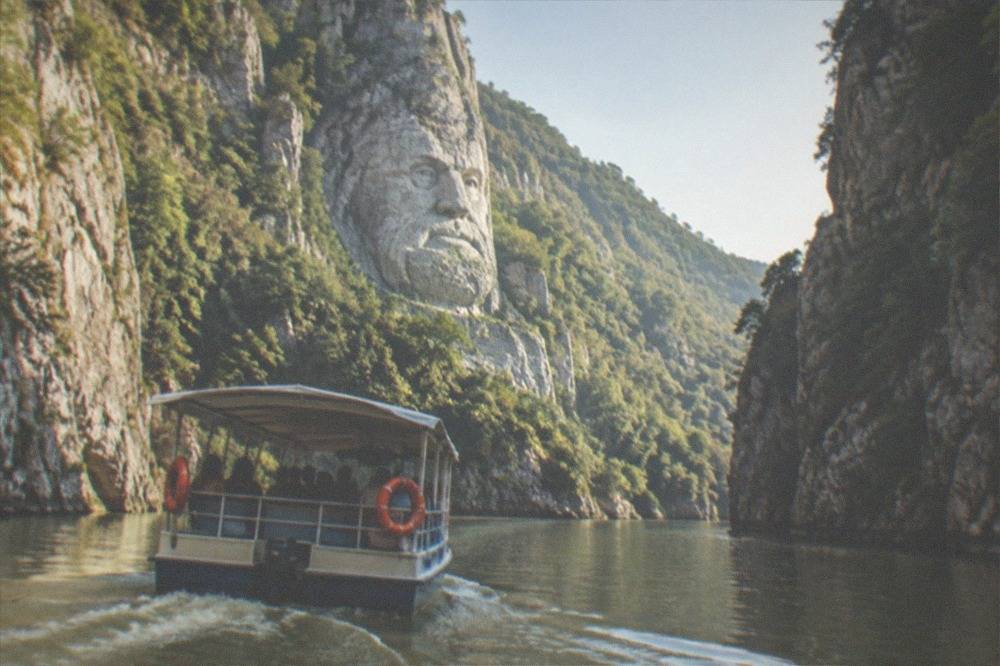
A Decebalus Rock Sculpture day trip typically combines the carved face with the surrounding Danube Gorges, boat rides on the narrow stretches of river, at least one waterfall in the Caras-Severin hills, and often the historic spa town of Baile Herculane. The sights cluster along one southbound corridor from Timisoara, so a single day can cover the gorges, the sculpture and one or two natural stops without rushing. The exact mix depends on the tour and the season.
The gorges themselves, Cazanele Dunarii, are the reason the trip feels cinematic: the Danube, otherwise a broad lowland river for most of its Romanian course, narrows dramatically between rock walls here, and the road on the Romanian bank threads along the water. The sculpture is the focal point, but the drive between viewpoints is half the experience.
Here is how the main stops around the sculpture compare:
| Stop | What you see | Why it pairs with the sculpture |
|---|---|---|
| Danube Gorges (Cazanele) | Narrow river passage between steep cliffs, boat-level views | Same river corridor; the scenic core of the day |
| Decebalus Rock Sculpture | Monumental carved face of the last Dacian king on a cliff | The landmark the day is built around |
| Bigar Waterfall | Waterfall fanning over a moss-covered rock dome | The region's second famous natural sight, on the same route |
| Baile Herculane | Historic spa town in a mountain valley | A relaxed lunch or thermal stop on the return leg |
| Nera Gorge | Forested limestone gorge with a riverside trail | A hiking alternative for active travelers |
For the hiking-minded, the Nera Gorge Beusnita guide covers the trails and lakes of that national park, which sits within the same part of Caras-Severin. A private tour of the gorge is also bookable directly:
Which Tours From Timisoara Reach The Danube Gorges Region?
The tours from Timisoara that serve the Danube Gorges region are full-day and multi-day products run by local operators, ranging from shared day trips into the gorges and Banat hills to private tours that add castles and Transylvania. The roster is small compared with big-city destinations, so booking ahead matters in the May-to-September window. Prices and ratings render from the live listing, so check availability rather than relying on printed figures, and confirm the exact stops when you book.
The operator behind the Hunedoara Castle and Sibiu excursion is one of the established Timisoara outfits, and its day trip pairs two of Romania's heavy-hitter sights in one route out of the city. The listing for that trip shows the current price and review score:
For travelers with two days instead of one, a private Transylvania itinerary opens a different scale of trip: castles, mountain roads and the Dracula-linked landmark at Bran, all starting from Timisoara. That option suits visitors using the city as a base for a wider western-Romania loop, a strategy covered in the western Romania seven-day itinerary.
When Is The Best Time Of Year To Visit The Decebalus Rock Sculpture?
The best window is late spring through early autumn, roughly May to September, when the Danube boat trips run, the gorge viewpoints are clear and the region's waterfalls are at their most photogenic. July and August are the warmest months on the plains around Timisoara, while the river corridor stays a few degrees cooler. Winter trips are possible by road but boat service and waterfall stops lose their appeal, so most tours concentrate on the warmer half of the year.
The climate data for Timisoara itself, from the JMA/WMO normals for station Timisoara 15247, shows the continental pattern that governs the whole region: cold winters, warm summers and a rainfall peak in early summer. June is the wettest month of the year at 79.1 mm, while March is the driest at 34.1 mm. The annual total is 600.7 mm.
| Month | Mean temperature (C) | Precipitation (mm) | What it means for a gorges day trip |
|---|---|---|---|
| January | 0.0 | 37.3 | Cold and quiet; road trips only, no boat season |
| February | 2.1 | 35.5 | Still winter; low crowds, gray landscapes |
| March | 6.5 | 34.1 | Driest month; good for hiking, waterfalls low |
| April | 12.3 | 50.6 | Spring greenery begins; unpredictable boats |
| May | 17.3 | 57.2 | Strong all-round month; everything open |
| June | 20.9 | 79.1 | Warmest green scenery but the wettest month |
| July | 22.8 | 61.9 | Peak summer; book tours early |
| August | 22.5 | 54.6 | Reliable warm season; busiest on the river |
| September | 17.2 | 50.4 | Excellent balance of warmth and light crowds |
| October | 11.5 | 50.0 | Autumn color; boat season winding down |
| November | 6.4 | 45.3 | Quiet shoulder season; check operator schedules |
| December | 1.5 | 44.7 | Winter; city breaks beat the gorges |
May and September are the sweet spot for most travelers: the full range of stops is operational, the heat is not punishing on the walkways above the river, and Timisoara's own festival calendar, from the jazz festival in late September to the summer city celebration, gives you evening options back in town. The city's cultural calendar is covered in the Timisoara festivals and events guide.
What Should You Budget For A Decebalus Rock Sculpture Day Trip?
The main cost is the tour itself, priced on the operator's live listing, plus a modest allowance for food and any optional boat ticket on the Danube. Day-to-day costs in the region are low by European standards: a cappuccino in Timisoara runs about 13 to 15 RON, a draught beer about 11 to 12 RON and an inexpensive restaurant meal roughly 45 to 50 RON. Accommodation carries a local tourist tax, reported at 2% of the nightly tariff excluding VAT, collected by the lodging.
Romania's currency is the Romanian leu (RON); the euro is not adopted, and the Banca Nationala a Romaniei reference rate on 23 September 2026 was 5.2788 RON per euro. Card payment is widespread in the city, but carry some cash for rural stops along the river, where small vendors and boat operators may prefer it.
Here is a realistic planning baseline for the money side of the day:
| Item | Typical range in Timisoara and the region | Notes |
|---|---|---|
| Cappuccino | 13 to 15 RON | City cafe baseline |
| Draught beer, 0.5 L | 11 to 12 RON | Neighborhood pub pricing |
| Inexpensive restaurant meal | about 45 to 50 RON | Lunch stop on the route |
| City transport day pass | 18 RON | STPT pass, valid on all modes including the Bega water bus |
| Single transport ticket | 5 RON | 60 minutes, all modes |
| Tourist tax | reported at 2% of tariff, excl. VAT | Collected by your accommodation |
These are planning ranges drawn from current cost-of-living data for Timisoara, not operator promises, so treat them as a floor rather than a quote. Tour prices themselves should always be read from the live listing at the moment you book.
Where Else Can You Go From Timisoara On A Long Day Trip?
Beyond the Danube Gorges, Timisoara's day-trip map spreads across four directions: north to Oradea, east to the castles of Hunedoara and the Transylvanian cities, south to the Banat hills and spa towns, and west across the border to Novi Sad, Belgrade and Szeged. Since 1 January 2025 all land borders with Hungary are internal Schengen borders, while Serbia remains an external border with passport checks. That makes two-country day trips genuinely easy in one direction and a simple procedure in the other.
The strongest single alternative to the gorges day is the castle-and-city combination of Hunedoara and Sibiu, which trades river scenery for Gothic architecture and one of Romania's best-preserved old towns. The dedicated planning page for that route is the Corvin Castle Hunedoara guide. Further options fill out the map:
| Direction | Destination | Headline sight | Border note |
|---|---|---|---|
| East | Hunedoara and Sibiu | Corvin Castle, Sibiu old town | Domestic route |
| South | Danube Gorges | Decebalus Rock Sculpture, Cazanele | Riverside border with Serbia, viewed from Romania |
| South | Baile Herculane | Historic spa architecture | Domestic route |
| West | Szeged | Hungarian riverside city | Internal Schengen border, no routine checks |
| Southwest | Novi Sad and Belgrade | Danube fortress capitals | External Schengen border, passport checks |
| North | Oradea | Art-nouveau city center | Domestic route |
For the Serbia and Hungary options, the practical pages are the Belgrade and Szeged guides. The EU's Entry/Exit System has been fully operational at all Schengen external borders since 10 April 2026, so non-EU travelers crossing into Serbia should expect biometric recording at the border rather than the old passport stamp.
These are the standout multi-day and full-day options from the current roster for a wider loop out of the city:
How Does A Danube Gorges Trip Compare With A Transylvania Day Trip?
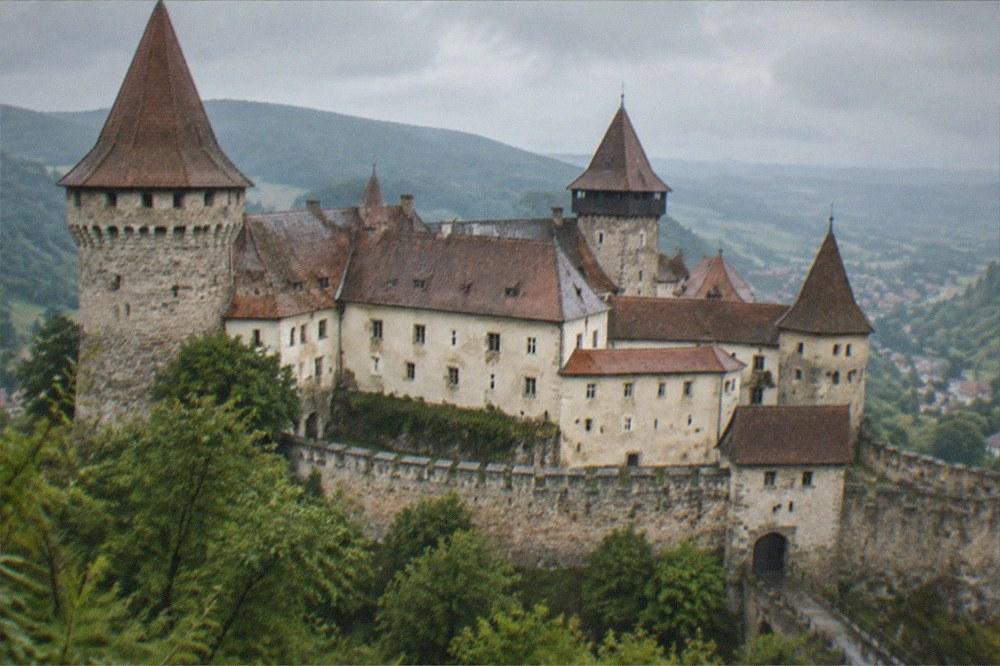
A Danube Gorges day and a Transylvania day from Timisoara deliver opposite experiences: the gorges day is about raw river scenery, boat-level viewpoints and the Decebalus face, while the Transylvania day is about castles, fortified churches and old-town streetscapes. The gorges suit photographers and nature-first travelers; Transylvania suits history-first visitors and anyone who wants Romania's postcard architecture. With two days available, the strongest plan pairs one gorges or Banat day with one castle day, using Timisoara as the base throughout.
Timisoara rewards that base-camp approach. The city that was European Capital of Culture in 2023, sharing the title with Elefsina in Greece and Veszprem in Hungary, has kept a full cultural calendar since, and its squares and museums fill the evenings between day trips. The Union Square Piata Unirii and Victory Square Piata Victoriei pages cover the two spaces where the evening crowd tends to gather, and the Memorial Museum of the Revolution explains the 1989 history that began in this city, where the revolution against the communist regime started in December 1989.
Common Questions About The Decebalus Rock Sculpture
What is the Decebalus Rock Sculpture?
It is a monumental carved relief of the face of Decebalus, the last king of the Dacians, cut into a cliff on the Romanian bank of the Danube in the Danube Gorges of southwestern Romania. It is a modern tribute to Dacian heritage and the defining landmark of that stretch of the river.
Can you visit the Decebalus Rock Sculpture on a day trip from Timisoara?
Yes. It is a full-day excursion from Timisoara into Caras-Severin county, usually combined with the gorges viewpoints, a boat approach on the Danube and at least one waterfall or spa-town stop. Guided day trips handle the driving and the stop selection.
Do you need a passport to see the Decebalus Rock Sculpture?
Not if you stay on the Romanian bank, which is where most tours view the carving. Crossing into Serbia to see it from the opposite side means crossing an external Schengen border, which carries passport checks and, since April 2026, Entry/Exit System biometric recording for non-EU travelers.
When is the best time of year for a Decebalus Rock Sculpture trip?
May to September is the reliable window, with boat trips running and all stops accessible. June is the wettest month in the region at 79.1 mm of rain, so May and September offer the best balance of weather, greenery and manageable crowds.
What else can you see on the same day trip?
The Danube Gorges themselves, Bigar Waterfall, the spa town of Baile Herculane and, for hikers, the Nera Gorge national park all sit in the same corner of Caras-Severin, and most itineraries combine two or three of them with the sculpture.
How much does a Decebalus Rock Sculpture day trip cost?
Tour pricing renders from each operator's live listing, so check the current figure when you book rather than relying on printed numbers. Daily costs in the region are modest: an inexpensive meal runs roughly 45 to 50 RON and a coffee 13 to 15 RON.
Plan the gorges day early in your stay, keep a flexible day for weather, and let the Timisoara Travel Guide homepage tie the rest of your western Romania trip together.