Timisoara Street Art
Timisoara, in the Banat region of western Romania, paints its recent history on its walls: murals and paste-ups cluster in the old Cetate quarter, in Fabric around Trajan Square, and along the Bega, where the city's 2023 European Capital of Culture year left a visible layer of contemporary art on the streets.
Short answer
The densest street art in Timisoara sits in the historic Cetate quarter around Piata Unirii, in the Fabric district near Trajan Square, and along the Bega canal promenade, with further pieces scattered through Elisabetin and Iosefin; most of it can be covered on foot in two relaxed days.
Timisoara, in Timis County in the Banat region of western Romania, is a city that tells its own story on its walls. Known formally as Timișoara in Romanian, it spent 2023 as a European Capital of Culture alongside Elefsina and Veszprem, and that year layered fresh murals, installations and facade projects onto a street scene that already carried decades of graffiti, memorial plaques and painted advertising ghosts. The result is a walkable open-air gallery that is easy to half notice, sandwiched between the baroque facades of Piata Unirii and the Secession houses of Fabric.
This guide from Timisoara Travel Guide covers where the art actually is, how the 1989 Revolution shaped what gets painted here, which neighborhoods reward a slow walk, when to come with a camera, and what a mural-hunting trip realistically costs. Nothing on this page requires a ticket; almost everything is on public streets, free to see at any hour.
Where To Find The Best Street Art In Timisoara?
The densest concentration of street art in Timisoara sits in the historic Cetate quarter around Piata Unirii and Piata Libertatii, in the Fabric district around Trajan Square and Millennium Church, and along the Bega canal banks, with a looser scatter of pieces through Elisabetin and Iosefin; all of it is outdoors, free, and reachable on foot or by tram from the center.
Cetate, the old fortified core, is the natural starting point. The quarter's narrow streets and courtyards hold small-scale work: paste-ups, stencil pieces and the occasional large mural on a side wall, often a few steps from the baroque showpieces around Union Square. Because the buildings here are protected, the big statements tend to live on less visible walls, so the reward goes to walkers who take the lanes rather than the squares.
Fabric, east of the center, is where the city loosens its collar. The district around Trajan Square and the Millennium Church has wider walls, more vacant lots and more permissive owners, which historically means more paint. Elisabetin and Iosefin, south and southwest, mix Secession facades with student-heavy streets that carry the city's youngest layer of graffiti and posters. The Bega canal ties the whole route together: the banks form a linear promenade where the city has actively cleared space for recreation, and where several commissioned pieces from the culture-year programs sit within sight of the water.
How Does The 1989 Revolution Shape Timisoara Street Art?
Timisoara is the city where the Romanian Revolution of December 1989 began, and that history runs straight through its street art: memorial pieces, protest imagery and references to the uprising recur around Victory Square and the Opera, while the Memorial of the Revolution museum anchors the story at 20 lei adult entry, open weekdays 08:00 to 17:00 and weekends 10:00 to 18:00.
The revolution started here, at Pastor Laszlo Tokes's parish, and the protests centred on what locals still call Opera Square, today's Victory Square. That makes the square and its side streets the emotional core of the city's political wall art. You do not need to squint to find the connection: commemorative work appears around the square most Decembers, and the annual commemorations in mid-December, marking the events that began on 15 December 1989, bring ceremonies, services and cultural programs to the square, the Opera and the memorial sites.
The Memorial of the Revolution is the indoor companion to all of this. The verified fee schedule lists adults at 20 lei, covering eight permanent exhibitions plus three temporary ones and the documentary "Noi nu murim", with a 20 lei photo fee if you want to shoot inside. Anyone whose interest in the street art is really an interest in 1989 should read our longer 1989 Revolution guide before walking the square.
There is a second, quieter layer too. Timisoara's city hall keeps a list of the city's firsts, and several of them are exactly the kind of thing muralists like to quote back: the first city on mainland Europe with electric street lighting, on 12 November 1884, with 731 lamps over 59 km of streets; the first horse-drawn tram in the Habsburg Empire in 1869; the first electric tram in Romania in 1899. References to light, trams and electricity show up in local work more often than chance would suggest.
For visitors who want the communist-era context behind the walls rather than just the walls themselves, a guided walk is the efficient route:
The tour spends its time on exactly this layer of the city, and its live listing carries the current price and departure details.
Which Timisoara Neighborhoods Should You Walk For Murals?
Walk Cetate first for dense, small-scale work around Piata Unirii and Piata Libertatii, then Fabric around Trajan Square for the biggest walls, then Elisabetin for student graffiti and painted facades, and finally Iosefin and the Bega banks for linear, riverside pieces; the four areas chain into one walking day of roughly five to seven kilometers, or split naturally across two mornings.
Each district has a distinct character, and the differences matter more than any single mural:
| District | Character of the street art | Best approach | Pair it with |
|---|---|---|---|
| Cetate | Paste-ups, stencils, courtyard pieces near protected facades | Slow lane-walking off Piata Unirii | Baroque squares, art museum |
| Fabric | Large murals, warehouse walls, works around Trajan Square | Tram to Trajan Square, then wander | Millennium Church, local markets |
| Elisabetin | Youngest layer, posters, graffiti, Secession facades | Walk south from Piata Victoriei | Cafes, parks |
| Iosefin | Quieter, scattered pieces, riverside walls | Combine with the Bega promenade | Water tower, canal walk |
| Bega banks | Commissioned pieces along a linear park | Follow the canal on foot or by vaporetto | Bega canal boat ride |
Fabric deserves the most time. The district is in the middle of a long regeneration conversation: the city's planning documents for Fabric, preliminarily approved in October 2025, include completing the Bega promenade on the south bank and green corridors on former riverbeds, so parts of it are worksites today and will look different again in a couple of years. Trajan Square itself is under active works, with trams diverted from 3 August 2026 to the end of 2026, which is worth knowing before you plan a photo circuit around it.
The vaporetto, the small water bus on the Bega, is an unusual way to survey the riverside pieces from the water. It runs seasonally from 1 April to the end of October, with nine stops per direction, and a trip costs the same 5 lei as any other single ticket in the city's integrated system.
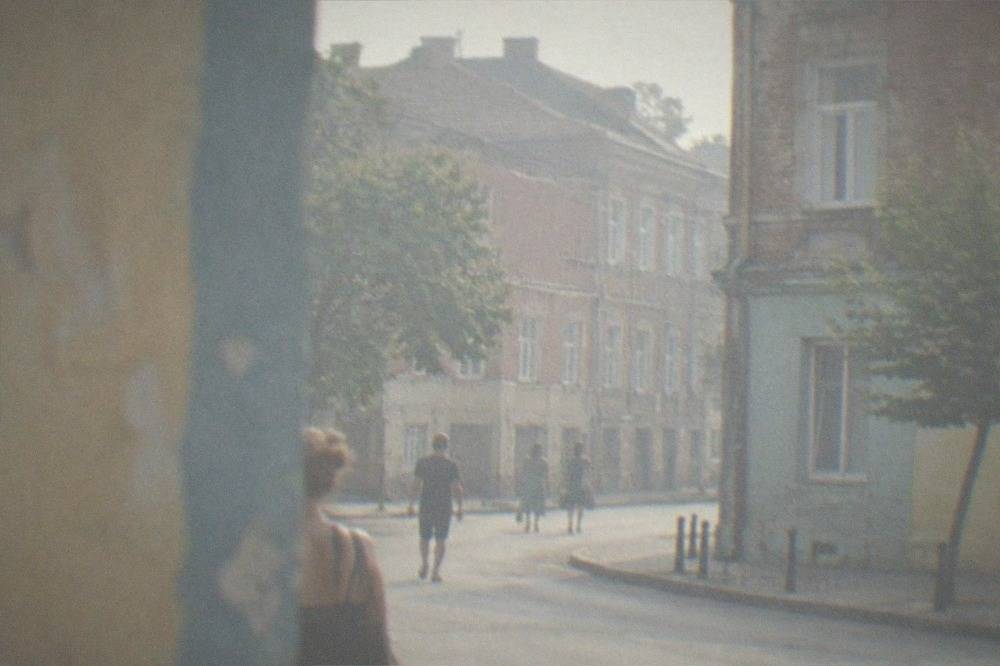
If you would rather have a local frame the walk than navigate the districts yourself:
It runs on a fixed weekly schedule, and the operator's live listing shows the exact meeting point and current availability.
When Is The Best Time Of Year To Photograph Timisoara Street Art?
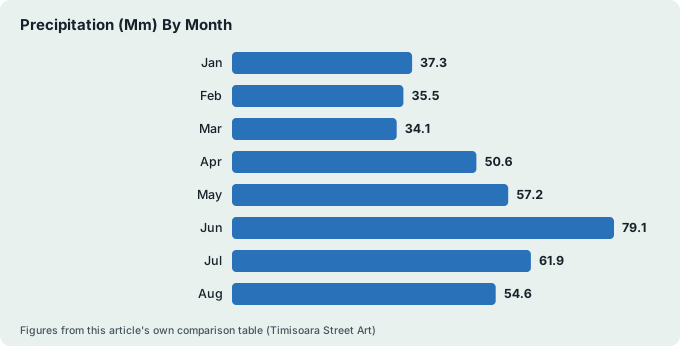
Late April through June and September through mid-October are the best windows for photographing Timisoara's street art, when the JMA climate normals for the city's station show means of 12.3 C in April rising to 22.8 C in July, with the wettest month June at 79.1 mm and the driest March at 34.1 mm; winter light is soft but days are short, with a January mean of 0.0 C.
The city has a continental climate, not a Mediterranean one, and the numbers behind that are worth reading before you book. Here is the verified monthly picture from the JMA/WMO CLIMAT normals for station Timisoara 15247:
| Month | Mean temp (C) | Precipitation (mm) |
|---|---|---|
| Jan | 0.0 | 37.3 |
| Feb | 2.1 | 35.5 |
| Mar | 6.5 | 34.1 |
| Apr | 12.3 | 50.6 |
| May | 17.3 | 57.2 |
| Jun | 20.9 | 79.1 |
| Jul | 22.8 | 61.9 |
| Aug | 22.5 | 54.6 |
| Sep | 17.2 | 50.4 |
| Oct | 11.5 | 50.0 |
| Nov | 6.4 | 45.3 |
| Dec | 1.5 | 44.7 |
Two practical readings follow from that table. First, June is both warm and the wettest month, so a June photo trip trades comfort for shower risk; May and September are the safer bets. Second, March is the driest month on paper but still cool at a 6.5 C mean, which is fine for walking and often gives clean, low light. For a month-by-month breakdown see our Timisoara weather by month guide and the broader best time to visit Timisoara analysis.
Crowds follow a pattern too. Official tourist arrivals, from the city hall report citing INSSE, show the Capital of Culture year 2023 peaking at 283,256 arrivals, with 285,190 in 2024 and the peak single month on record being May 2025 at 30,664. May is busy; the shoulder months give you emptier frames.
| Year | Tourist arrivals (Timisoara) | Note |
|---|---|---|
| 2021 | 153,794 | Pandemic-era low |
| 2022 | 212,785 | Recovery year |
| 2023 | 283,256 | European Capital of Culture |
| 2024 | 285,190 | Held the culture-year level |
| 2025 (Jan-Nov) | 268,699 | Partial year, official series |
How Much Does A Timisoara Street Art Trip Cost?
A day of mural-hunting in Timisoara costs almost nothing by design: the street art is free, a 60-minute public transport ticket is 5 lei, a day pass covering trams, buses and the Bega vaporetto is 18 lei, a cappuccino runs about 13 to 15 lei and an inexpensive restaurant meal about 45 to 50 lei, with mid-range hotel nights cited around 176 to 227 lei in September 2026 price trackers.
The city's cost base is one of its selling points. The figures below come from price aggregators updated in September 2026, so treat them as planning ranges and check the venue:
| Item | Typical price (RON) | Source basis |
|---|---|---|
| 60-minute transport ticket | 5 | Operator tariff page |
| 1-day pass, all modes incl. vaporetto | 18 | Operator tariff page |
| 30-day general pass | 160 | Operator tariff page |
| Draught beer, 0.5 L, domestic | 11 to 12 | Cost-of-living trackers, Sep 2026 |
| Cappuccino | 13 to 15 | Cost-of-living trackers, Sep 2026 |
| Inexpensive restaurant meal | 45 to 50 | Cost-of-living trackers, Sep 2026 |
| Mid-range hotel night | about 176 to 227 | Aggregator averages, Sep 2026 |
Two extras to budget for. The Memorial of the Revolution charges adults 20 lei, plus 20 lei if you photograph inside, and it is the one indoor stop that genuinely deepens the street art route. And note that Timisoara levies a tourist promotion tax on accommodation, set by local council decision HCL 719/2025; the commonly reported rate is 2% of the nightly tariff excluding VAT, collected by the lodging, though that percentage figure comes from secondary reporting rather than a primary council document.
Currency matters: Romania uses the leu (RON), not the euro, and the National Bank of Romania's reference rate stood at 5.2788 RON per euro on 23 September 2026. Our Romanian currency and Timisoara cost and prices guides carry the detail.
Can You See Timisoara Street Art On A Guided Tour?
Yes, several guided formats work for street art in Timisoara: the Grand Tour of Communist Ages covers the communist-era city in three to four hours, the Weekly Guided Tour in English runs two-hour walks on Tuesday, Thursday and Saturday, the Timisoara Highlights walking tour covers the core in two hours, and a free tip-based GuruWalk, the Timisoara Essentials Tour with Alex, runs a two-hour introduction to the city.
No tour is marketed specifically as a street art tour, so the trick is matching the guide's angle to what the walls mean. The communist-history walks explain the iconography you will photograph; the general highlights walks cover the districts where the work is densest; the free walk is the budget-friendly sampler. The free option deserves a note: it is listed on GuruWalk with guide Alex, it is free and tip-based, and it carries a 4.89 rating on its listing.
For a fuller comparison of every format, including the food and heritage walks that pair well with a mural circuit, start from the city's main things to do in Timisoara roundup.
How Do You Plan A Full Street Art Day In Timisoara?
A realistic single-day plan starts in Cetate at Piata Unirii in the morning light, loops through Piata Libertatii and Victory Square by midday, takes a tram to Trajan Square in Fabric after lunch, and finishes along the Bega banks toward Iosefin in the late afternoon, with the Memorial of the Revolution as the one indoor stop; two relaxed days are better than one if you want Elisabetin and the riverside pieces without rushing.
Morning light in Cetate is the photographers' window. Work the lanes between Liberty Square and the back of the Serbian Orthodox cathedral before the cafe tables fill, then cut north to Victory Square for the revolution-era walls and the Opera facade. The National Museum of Art in the Baroque Palace on Piata Unirii makes a rain-plan stop: it is open Wednesday to Sunday, 13:00 to 21:00 in summer (1 June to 30 September) and 10:00 to 18:00 in winter, closed Mondays and Tuesdays.
Afternoon belongs to Fabric. Take a tram east, accept that Trajan Square is a construction site through the end of 2026, and use the diversion as a reason to explore the lanes around Millennium Church instead. Finish on the Bega: the promenade runs continuously, the vaporetto runs until the end of October, and the banks are where the city's newest commissioned pieces sit within a few meters of the water.
Practicalities are simple. A single 60-minute ticket costs 5 lei and a day pass 18 lei, both valid on trams, trolleybuses, buses and the vaporetto, payable by contactless card on board. Getting around the city in general is covered in our getting around Timisoara guide, and if you are arriving by plane, the airport to city center run takes the E4 express from the Traian Vuia airport, about 12 km northeast of the center.
Common Questions About Timisoara Street Art
Common Questions About Timisoara Street Art
Is Timisoara street art free to see?
Yes. Virtually all of it is on public streets, courtyards and canal banks, visible at any hour without a ticket. The only paid stop on a typical route is the Memorial of the Revolution at 20 lei for adults, and that is optional.
Where is the most street art in Timisoara?
The densest clusters are in the Cetate quarter around Piata Unirii and Piata Libertatii, in Fabric around Trajan Square and Millennium Church, and along the Bega canal banks, with looser scatter through Elisabetin and Iosefin.
Is there a street art tour in Timisoara?
No tour is marketed specifically as street art, but the communist-history walks and the general city walks cover the districts and the history behind the walls. The free tip-based GuruWalk, the Timisoara Essentials Tour with Alex, is the budget option, and the Weekly Guided Tour in English runs Tuesday, Thursday and Saturday.
When is the best time to photograph Timisoara street art?
May, early June and September offer the best combination of light and walkable weather. June is the wettest month at 79.1 mm of rain per the climate normals, while March is the driest at 34.1 mm but cool at a 6.5 C mean.
Is Timisoara safe for walking with a camera?
Timisoara is a compact, walkable city and the mural districts are regular residential and commercial neighborhoods. Standard city precautions apply; our is Timisoara safe guide covers the general picture, including the 112 emergency number.
Can I combine street art with other sights in one day?
Yes, easily. Piata Unirii, the Victory Square revolution sites, Millennium Church and the Bega promenade all sit on the same walking axis, and the National Museum of Art and the Memorial of the Revolution make natural indoor stops between mural circuits.
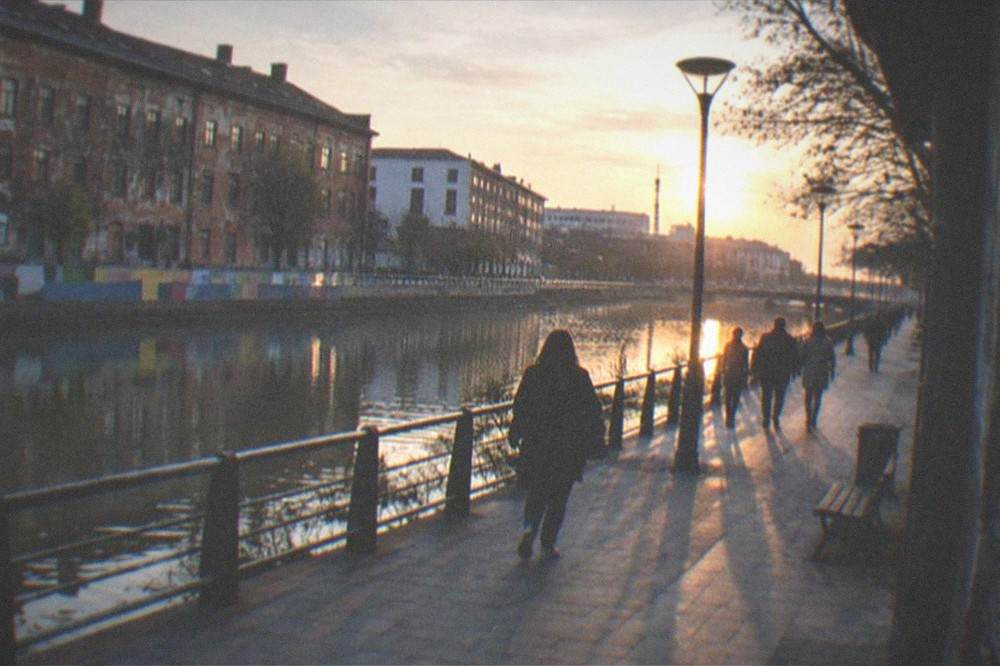
The walls of Timisoara will keep changing: Fabric is mid-regeneration, the tram depot cultural hub is rising on Take Ionescu Boulevard, and every December the revolution commemorations add a fresh layer around Victory Square. Come for the baroque squares, stay for the lanes behind them, and give the city's painted walls the slow walk they were made for.