Timisoara To Cluj
Timisoara to Cluj is one of Romania's most common inter-city trips, connecting the Banat's capital with the capital of Transylvania, and the honest answer about how to do it depends on the state of the A1 motorway and your tolerance for rural roads.
Short answer
There is no single best way from Timisoara to Cluj: the train is the stress-free option, the drive is faster in theory but the A1 has a gap between Lugoj and Deva that will not close before the first half of 2027, and a domestic flight is rarely the practical answer.
Timisoara, in Timis County in the Banat region of western Romania, sits at one end of one of the country's most-traveled inter-city corridors: the route east to Cluj, the largest city of Transylvania. Timișoara was a European Capital of Culture in 2023 and Cluj has its own reputation as Romania's university and technology hub, so the trip between them is one that students, business travelers and tourists make constantly. The route crosses from the Banat plain into the hills of Transylvania, and the practical question for any visitor is not whether the connection exists but which way of making it suits the current state of Romania's roads and railways.
How Do You Get From Timisoara To Cluj?
The Timisoara to Cluj route can be done by train, by car, or very rarely by air, and each mode trades convenience against the incomplete A1 motorway. The train links Timisoara Nord with Cluj without any border or driving stress, the drive gives you freedom to stop in Lugoj, Deva and Hunedoara but currently includes non-motorway sections, and flying between the two cities is generally not a practical option. Check the operator's own site for live schedules before booking anything.
The route matters because of geography. Timisoara lies in the far west of Romania, close to the Hungarian and Serbian borders, while Cluj sits several hundred kilometers to the northeast, deep in Transylvania. Between them the corridor runs through Lugoj and the Bega river country, climbs toward Deva and the Mures valley, and then continues over the Apuseni foothills toward Cluj. That middle stretch is exactly where Romania's flagship A1 motorway remains unfinished, and it shapes every practical decision on this page.
For orientation, the two cities also make a natural comparison pair for travelers deciding which to base in. Our Timisoara versus Cluj comparison breaks down the differences in atmosphere, cost and sights, and it is worth reading before you commit to an itinerary that includes both.
Is The Train From Timisoara To Cluj Worth It?
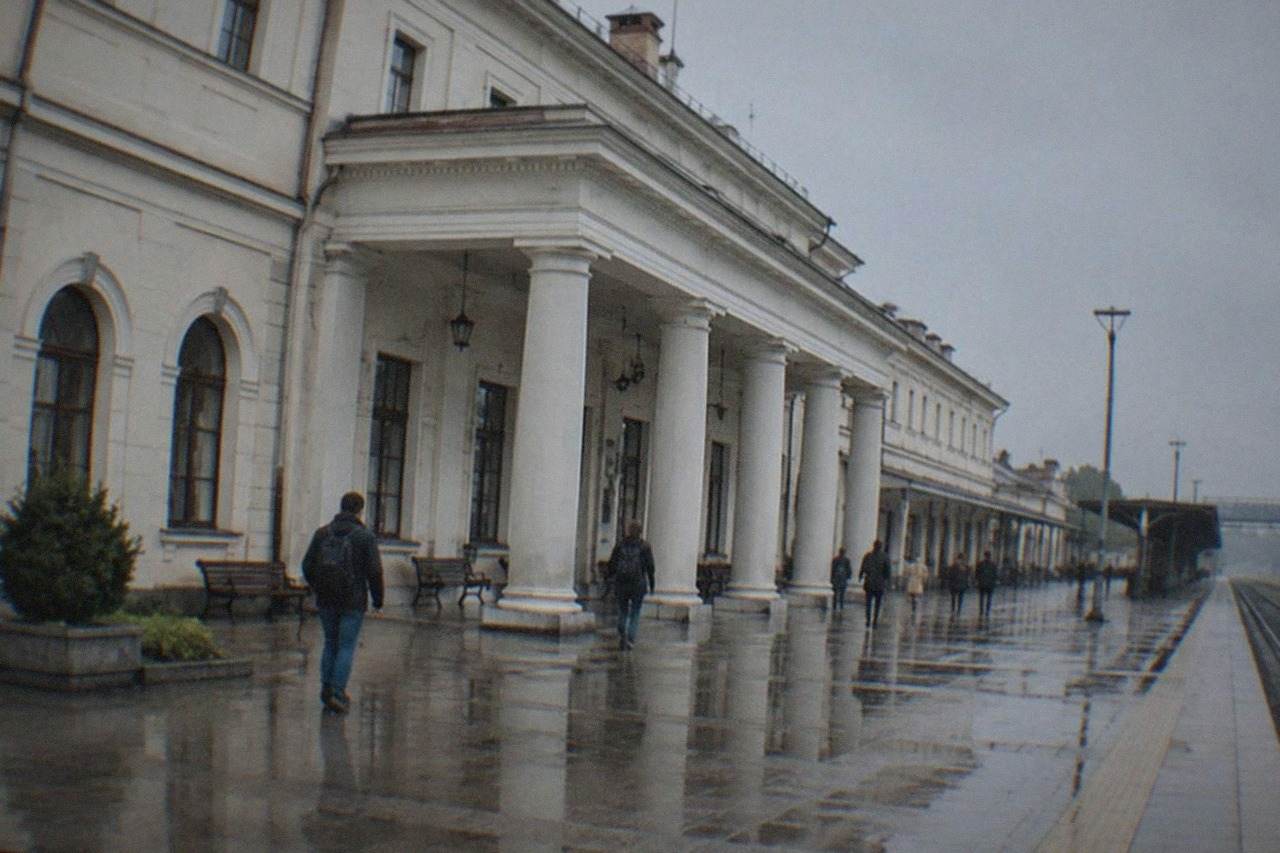
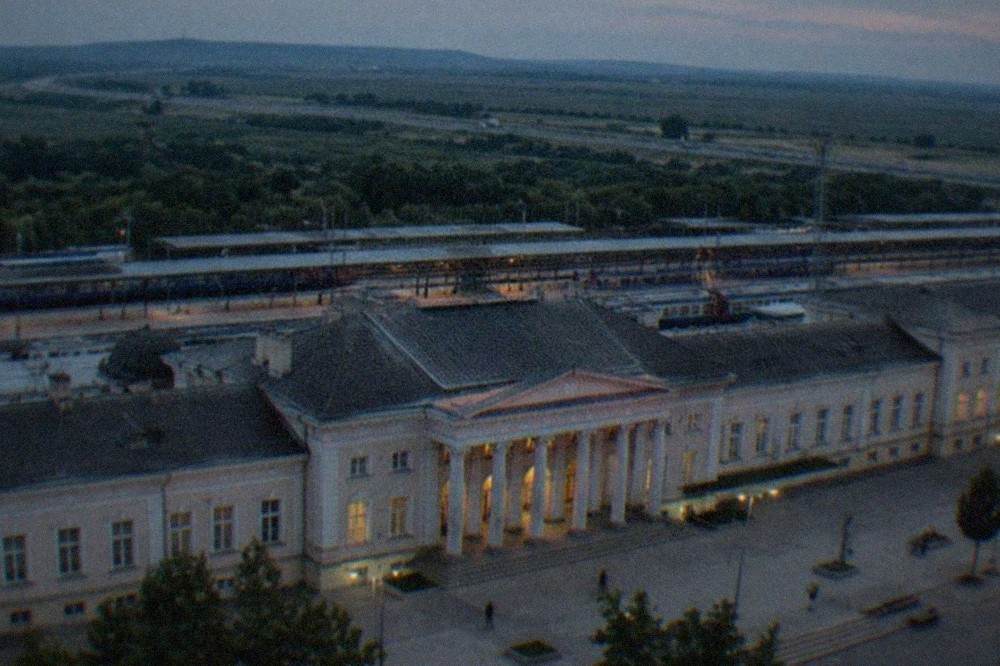
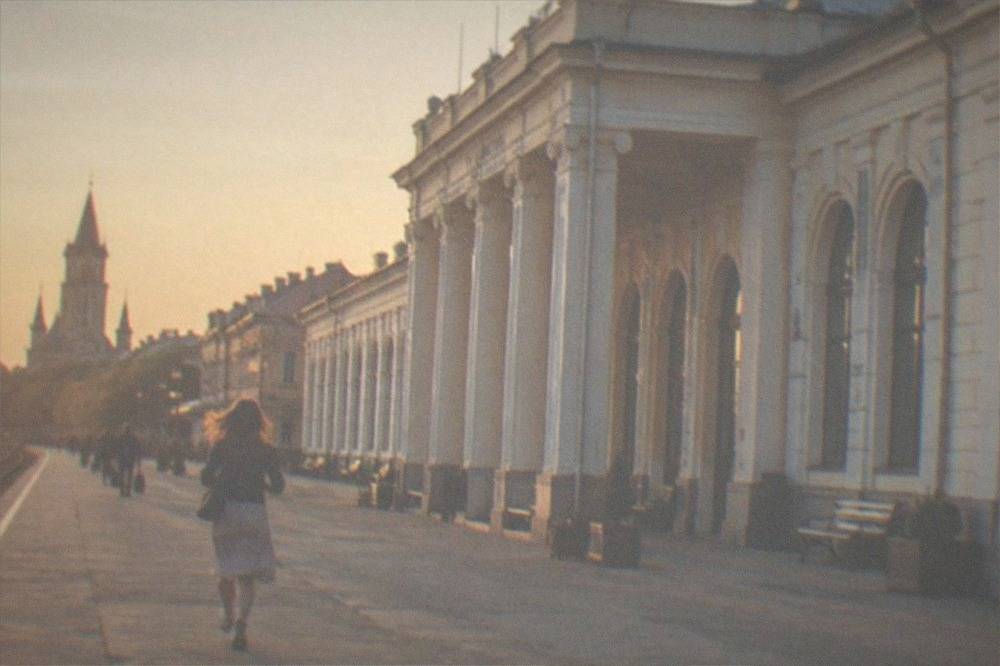
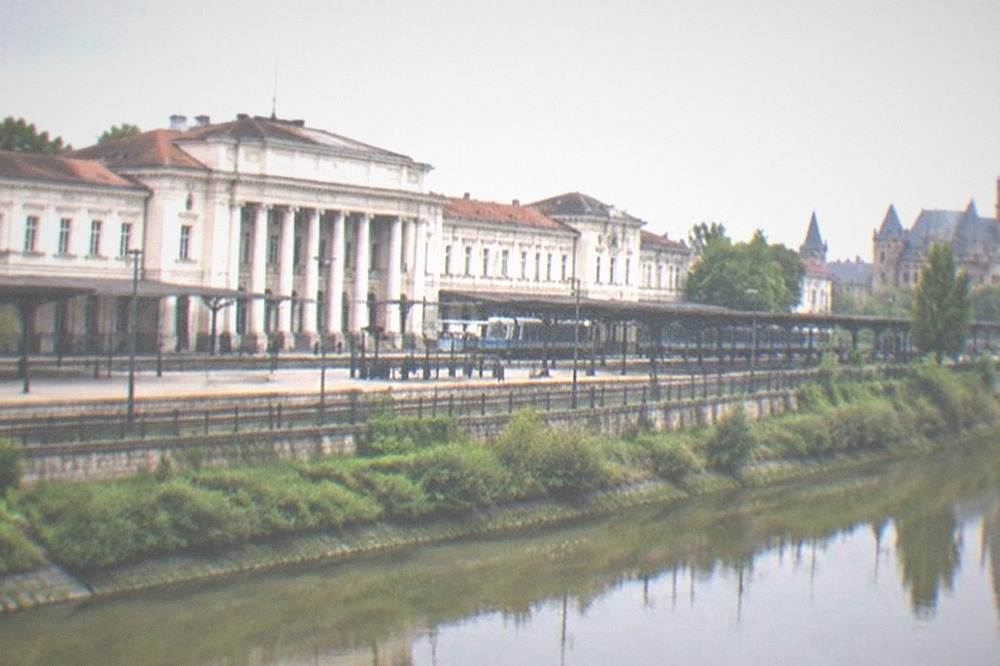
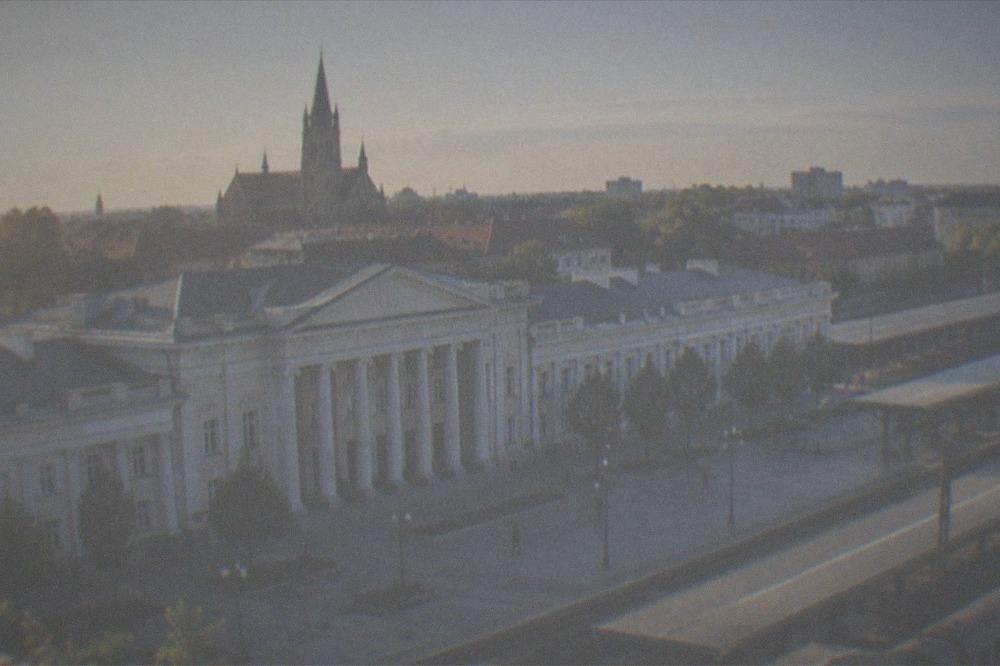
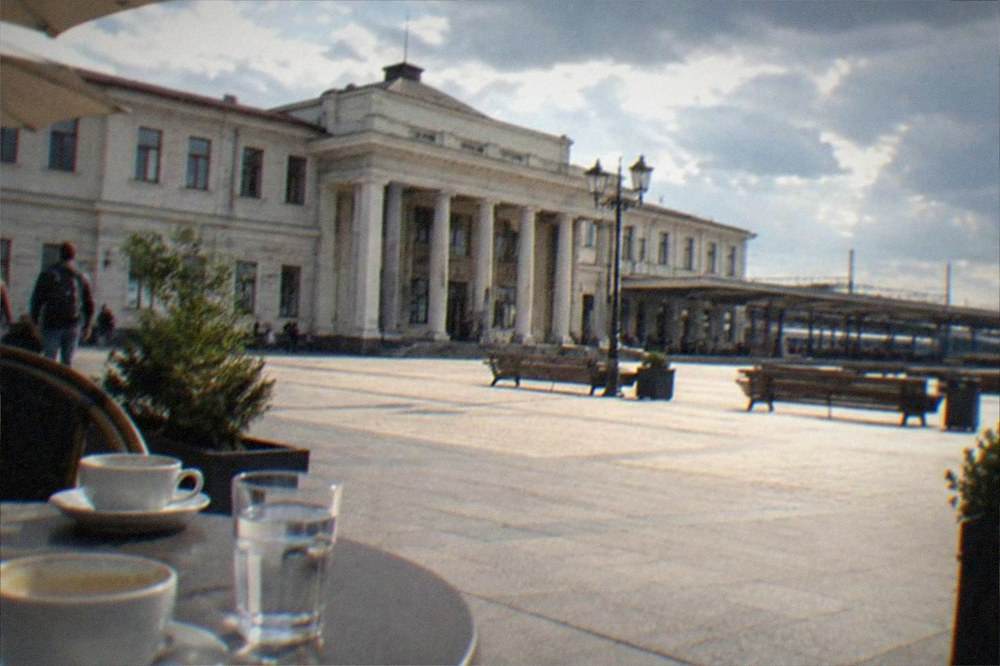
The train is the most relaxed way to travel from Timisoara to Cluj, because it removes the driving, the fuel stops and the motorway-gap problem entirely, and it departs from Timisoara Nord station in the city center. Romania's national operator runs long-distance services across exactly this kind of corridor, and tickets can be bought online before you travel. There is no sourced journey time for this specific pair in our verified data, so confirm any figure on the operator's own booking page.
Timisoara Nord is the city's main rail hub, and the station is served by the STPT tram network, so getting to your departure point from anywhere in the city costs almost nothing. A single 60-minute ticket on Timisoara's public transport is 5 lei and a one-day pass is 18 lei, both verified on the operator's tariff page, and both are valid on trams, trolleybuses, buses and, in season, the Bega water bus. That makes the train genuinely door-to-door: tram to the station, train east, arrive in Cluj's center.
For context on how Romania's long-distance rail works, the sourced example in our pack is the Timisoara Nord to Bucuresti Nord service, a direct IR train taking about 11 to 12 hours. Cluj is closer than the capital, but the same logic applies: Romanian inter-city trains are slower than their Central European neighbors, so plan for a full half-day of travel rather than a quick hop, book a seat in advance, and treat the ride as part of the trip rather than dead time. If you have never bought Romanian train tickets before, the process is straightforward and covered in detail elsewhere on this site.
Before you leave Timisoara, it is worth spending your final hours in the city well rather than sitting in a station coffee shop. The tours above cover three different angles on the city and its surrounding Banat countryside, from a neighborhood walking tour to a two-day regional exploration, and all three can be booked with free cancellation if your departure plans shift.
Should You Drive From Timisoara To Cluj, And What Is The A1 Motorway Situation?
Driving from Timisoara to Cluj gives you the most freedom, but the A1 motorway still has a gap between Lugoj and Deva, and the missing section, including the longest motorway tunnels in Romania, is not expected to open to continuous traffic before the first half of 2027. Until then, the drive includes ordinary national-road segments through the hills, so it takes longer and demands more from the driver than a finished motorway would.
The A1 is Romania's main west-east artery, and the sections that matter for this trip are in three different states. From Timisoara, a new roughly 10 km four-lane link road connecting the city directly to the A1 near Sanandrei opened to traffic on 22 September 2026, giving drivers a third access point after Giarmata and Remetea. From there the motorway runs continuously to Arad and on to Nadlac at the Hungarian border. The problem sits between Lugoj and Deva.
| A1 section relevant to the Timisoara to Cluj drive | Current status | What it means for drivers |
|---|---|---|
| Timisoara link road (about 10 km, three interchanges) | Opened 22 September 2026 | Third access point to the A1, 100 km/h limit |
| Timisoara to Arad to Nadlac | Fully open and operational | Continuous motorway west toward Hungary |
| Lugoj to Deva, Margina to Holdea lot | Tunnels fully broken through 18 September 2026, progress above 75 percent | Not open to traffic; national roads needed |
| Full continuous Sibiu to Nadlac motorway | Expected in the first half of 2027 | Uninterrupted A1 driving, more than 360 km |
The practical consequence is simple. A finished motorway would carry you from Timisoara toward Deva without stopping, but today the Lugoj to Deva stretch forces you onto ordinary roads through hilly country, and that is where the time and the fatigue go. The tunnel breakthrough in September 2026 was a real milestone: the two galleries on the Margina to Holdea lot are the longest motorway tunnels in Romania, and concrete lining is scheduled to finish by the end of 2026, with safety testing after that. Full opening is reported for the first half of 2027, not earlier.
If you are renting a car for this trip, read our Timisoara car rental guide first, and pair it with the practical advice in getting around Timisoara for the city end of the journey. One more local detail worth knowing: paid street parking in central Timisoara is run by the municipal operator TimPark through color-coded zones, with payment by the TPark app, SMS or meter, so do not leave a rental car curbside without checking the zone signs.
Should You Fly Between Timisoara And Cluj?
Flying between Timisoara and Cluj is rarely the practical choice, because the two cities are connected by land corridors that a domestic flight barely improves on, and the airport overhead, getting to and from each terminal, eats most of any theoretical saving. Timisoara's Traian Vuia Airport sits about 12 km northeast of the center, and its growth is focused on international routes, with reported new services for 2026 including Turkish Airlines to Istanbul from 1 April and Wizz Air to Berlin, Birmingham and Prague.
The airport itself is in a strong phase. Reported figures from the Romanian Airports Association put passenger numbers at 1,323,690 in 2024 and 1,458,098 in 2025, a rise of 10.2 percent, and those are figures we flag as press-reported rather than primary statistics. The express bus line E4, verified on the STPT site, connects the Bastion to the airport, so the ground transfer at the Timisoara end is easy. But none of that changes the arithmetic of a short domestic hop: unless a specific fare or schedule makes it worthwhile, the train or the road will serve you better. If your journey to Timisoara involves flying in first, our flights to Timisoara and airport to city center guides cover the arrival side in detail.
| Mode for the Timisoara to Cluj trip | Main advantage | Main drawback |
|---|---|---|
| Train from Timisoara Nord | No driving, city-center to city-center, cheap local tram access to the station | Slower than a finished motorway would be |
| Car via A1 and national roads | Freedom to stop at Lugoj, Deva and Hunedoara | A1 gap between Lugoj and Deva until at least 2027 |
| Domestic flight | Almost never faster door to door | Airport transfers at both ends add time and cost |
What Should You Do In Timisoara Before You Head East?
Spend your last hours in Timisoara on the things the city is actually famous for: the squares of the Cetate old town, the 1989 Revolution sites around Piata Victoriei, and the riverside Bega canal, all of which sit within walking distance of each other. Timisoara was the first city on mainland Europe with electric street lighting, on 12 November 1884, and the first city of the Habsburg monarchy with lamp-lit streets in 1760. A guided walk turns that scattered history into a coherent story in about two hours.
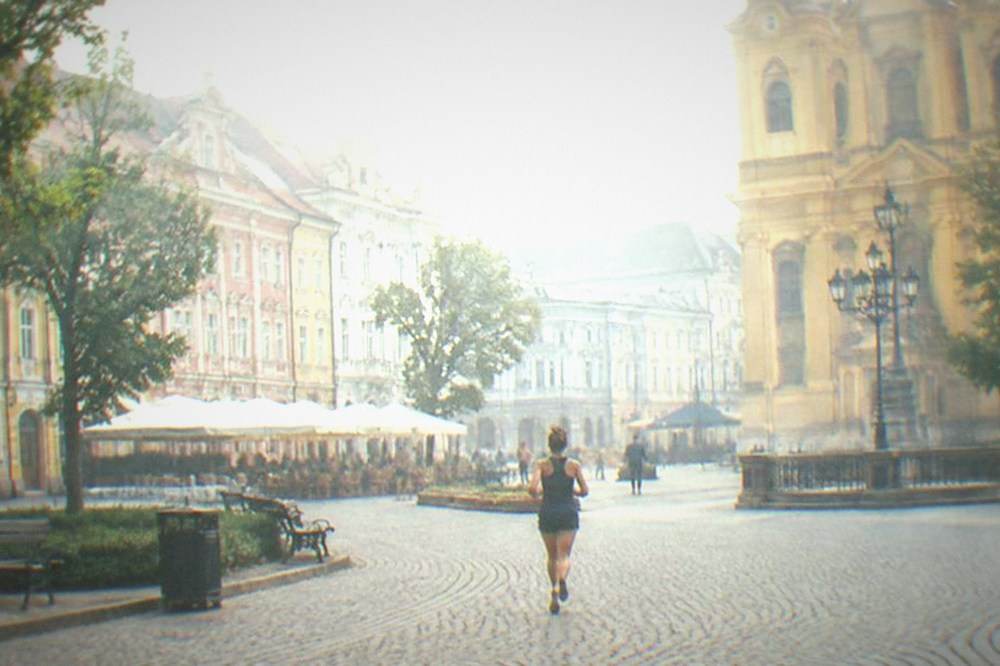
The obvious anchor is Piata Unirii, the baroque heart of the Cetate district, and our Union Square guide covers it building by building. From there the walk to Piata Victoriei, where the 1989 Revolution played out in front of the Opera, takes minutes, and the 1989 Revolution guide explains what you are looking at. If your departure is later in the day, the Bega canal promenade is the city's most pleasant place to kill an hour, and the Bega canal guide maps the waterside route.
For a structured final morning, the Elisabetin neighborhood walk is the one we would point you at. Elisabetin is the quiet, leafy district just south of the center, full of Secession-era houses and small squares, and it is a part of the city that visitors often walk through without ever being told what they are looking at. The full index of guides sits on Timisoara Travel Guide.
If you have a full extra day rather than a morning, the Banat countryside around the city changes the picture entirely. A two-day rivers-and-traditions exploration collects you from the city and returns you after two days of gorges, villages and living customs, and it is the deepest dive into the region on our roster.
Shorter on time but still hungry for the countryside? A half-day trip with lunch included covers the villages and tables of the Banat in a single afternoon, which pairs neatly with an evening departure east.
Where Should You Stop Between Timisoara And Cluj?
The best stops between Timisoara and Cluj are Lugoj, Deva and Hunedoara, in that order along the route, with Hunedoara's Corvin Castle the single most worthwhile detour for anyone driving. Lugoj sits on the Bega river just past the Timisoara end of the corridor, Deva overlooks the Mures valley from its hilltop fortress, and Hunedoara holds one of the largest and most photographed Gothic castles in Europe. The route also brushes the Banat hills, so a stop can be a destination in itself.
Corvin Castle is the headline. Our Corvin Castle guide covers its history, its Knights' Hall and its dragon-related legends, and it is the kind of place that justifies choosing the car over the train for at least one leg of the trip. If you would rather have someone else handle the logistics, several of the day trips on this site bundle Hunedoara with Sibiu, which lies further along the same eastward corridor and makes a natural pairing stop.
For a slower version of the same country, the Banat region guide introduces the hills, gorges and villages south of the direct route, and the Nera Gorge guide covers one of its most dramatic landscapes. These detours add hours, so treat them as overnight propositions, not coffee stops.
How Do Timisoara And Cluj Compare As Destinations?
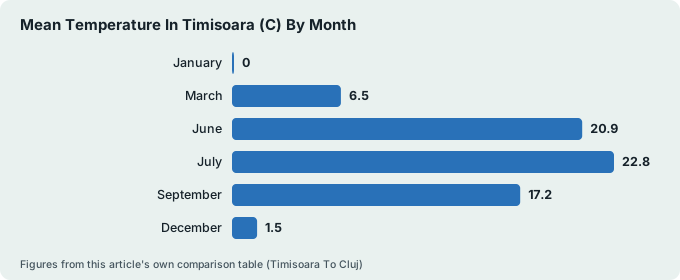
Timisoara and Cluj are both large, walkable university cities with historic centers, but Timisoara is the more relaxed and more compact of the two, with a baroque core, a riverside promenade and the 1989 Revolution legacy, while Cluj is bigger, busier and more student-driven, with a Gothic core and Transylvania's strongest arts and music scene. Timisoara's climate is continental, with a January mean of 0.0 C and a July mean of 22.8 C. Neither city needs more than three full days to feel well covered.
The honest comparison lives on its own page, and the Timisoara versus Cluj guide goes through cost, sights, nightlife and travel logistics side by side. The short version for route planners: if you are flying into one and out of the other, Timisoara's airport has been growing fast on international low-cost routes, while Cluj's strength is its position inside Transylvania for onward trips to the region's famous castles and gorges.
| Month | Mean temperature in Timisoara (C) | Precipitation in Timisoara (mm) |
|---|---|---|
| January | 0.0 | 37.3 |
| March | 6.5 | 34.1 |
| June | 20.9 | 79.1 |
| July | 22.8 | 61.9 |
| September | 17.2 | 50.4 |
| December | 1.5 | 44.7 |
The table above, from the JMA climate normals for Timisoara station 15247, explains the timing question too. June is the wettest month at 79.1 mm and March the driest at 34.1 mm, with 600.7 mm across the year, so the shoulder months are the comfortable window for a road trip between the two cities. Our best time to visit Timisoara and weather by month guides extend the same data across the whole calendar.
What Does The Trip Cost, And What Money Should You Carry?
Romania's currency is the Romanian leu (RON), not the euro, and you will need lei for small purchases on this route even though cards work in cities. A single public transport ticket in Timisoara costs 5 lei, a one-day pass 18 lei, a mid-range restaurant meal runs roughly 45 to 50 lei, and a cappuccino 13 to 15 lei, per September 2026 cost-of-living data. The National Bank of Romania's reference rate on 23 September 2026 was 5.2788 lei to the euro.
| Everyday item in Timisoara | Typical price (lei, September 2026 sources) |
|---|---|
| Half-liter of domestic draught beer | 11 to 12 |
| Cappuccino | 13 to 15 |
| Inexpensive restaurant meal | 45 to 50 |
| Public transport single ticket (60 min, all modes) | 5 |
| Public transport day pass | 18 |
| 30-day general pass | 160 |
Those figures are indicative averages from cost-of-living aggregators, not promises, so treat them as planning ranges and check the menu or the ticket machine in front of you. The deeper money picture, including how the tourist tax works and how far a budget stretches, is in our Timisoara cost and prices guide and the Romanian currency explainer. Timisoara also levies a tourist tax on accommodation, reported at 2 percent of the nightly tariff excluding VAT, collected by the lodging.
For entry requirements, Romania is a full member of the Schengen area, by air and sea since 31 March 2024 and with land borders since 1 January 2025, so there are no routine checks on the Hungarian border crossings, though the Serbian border remains an external Schengen border with passport control. The essentials are collected in Romania travel essentials.
Why Is The Timisoara To Cluj Route Getting Better?
The Timisoara to Cluj corridor is in the middle of the biggest infrastructure upgrade in its modern history, driven by the A1 motorway program, the new Timisoara western ring road and the airport's expansion. The Margina to Holdea tunnels, the longest motorway tunnels in Romania, were fully broken through on 18 September 2026, a new 10 km link road from Timisoara to the A1 opened on 22 September 2026, and the roughly 14 km western ring road reached 20 percent physical progress by early September 2026.

For travelers, the takeaway is that every year from now this trip gets easier. The 2026 openings already shave friction off the Timisoara end, and the 2027 Lugoj to Deva completion will transform the drive. The train, meanwhile, keeps its own appeal regardless of what happens on the motorway, and the two cities keep growing as destinations in their own right: city hall data puts tourist arrivals in Timisoara at 283,256 in the Capital of Culture year 2023, 285,190 in 2024, and 268,699 across January to November 2025, with the peak month on record being May 2025 at 30,664 arrivals.
Whichever end of the route you linger on, the same three picks above are the ones that fit the trip: an Elisabetin walking tour for a final Timisoara morning, and two Banat countryside options if the west keeps you longer than planned. If you are building a wider western-Romania itinerary instead, our things to do in Timisoara roundup is the natural next stop, and the one day in Timisoara itinerary compresses the essentials into a single visit.
Common Questions About Traveling From Timisoara To Cluj
How far is Timisoara from Cluj?
Our sourced data does not publish a verified distance or journey time for this exact pair, so we do not print one. What is verified is the corridor itself: the drive currently includes non-motorway sections between Lugoj and Deva, and the A1 gap there is expected to close in the first half of 2027. Check a mapping service or the rail operator's booking page for live figures.
Is there a direct train from Timisoara to Cluj?
Timisoara Nord is a major long-distance station with direct services across Romania, including the roughly 11 to 12 hour direct IR train to Bucharest. For the specific Cluj service, frequency and duration, buy through the national operator's own booking site, since our pack does not carry a verified timetable figure for this pair.
Is the drive from Timisoara to Cluj on a motorway the whole way?
No. The A1 runs continuously from Timisoara's new link road through Arad, but between Lugoj and Deva the Margina to Holdea section is still under construction, with tunnel breakthrough completed in September 2026 and opening expected in the first half of 2027. Until then the route uses national roads through the hills.
Should I fly from Timisoara to Cluj?
Almost never. Timisoara Traian Vuia Airport's growth is on international routes, with reported 2026 additions including Istanbul, Berlin, Birmingham, Prague and Athens, and the airport-to-airport overhead on a domestic hop erases any time saving. The train or the road serve this corridor better.
What is the best stop between Timisoara and Cluj?
Corvin Castle at Hunedoara is the single best detour, one of Europe's great Gothic castles, covered in our dedicated guide. Lugoj and Deva are the natural shorter stops along the same corridor.
Do I need euros in Romania?
No. Romania's currency is the Romanian leu (RON); the euro is not adopted. The National Bank of Romania's reference rate on 23 September 2026 was 5.2788 lei to the euro, and cards are widely accepted in both cities, but carry lei for small purchases.
Timisoara to Cluj is a trip that rewards a little planning: pick the train if you want to arrive rested, pick the car if Corvin Castle is calling, and check the A1's status before you drive, because the corridor's missing link is on its way but not here yet.