3 Days In Timisoara
Three days is enough to cover Timisoara's old town, its 1989 revolution sites, its museums and the Bega canal, with room left for one trip into the Banat countryside.
Short answer
Spend day one in Cetate around Piata Unirii and Piata Victoriei, day two on the 1989 Revolution Memorial and the city's museums, and day three along the Bega canal with an optional half-day trip into the Banat countryside.
Three days in Timisoara, the main city of Timis County in the Banat region of western Romania, is the sweet spot for a first visit: long enough to move beyond the postcard squares into the revolution history, the museums and the Bega canal, short enough that you never rush. This itinerary spreads the city across two full days and leaves day three flexible, with a morning on the water or in the parks and an afternoon either deeper in the old town or out in the Banat countryside. Under its Hungarian name, Temesvár, the city was the Habsburg Empire's western outpost, and that layered past is exactly what three days lets you read street by street. This Timisoara Travel Guide page lays out the full plan day by day.
What Are The Best 3 Days In Timisoara?
The best three days in Timisoara run day one through Cetate's squares and the old town lanes, day two through the 1989 Revolution Memorial, the Art Museum and the Metropolitan Cathedral, and day three along the Bega canal with a choice between the Banat Village Museum, the Theresia Bastion or a half-day trip into the Banat countryside. Each day is walkable at its core, and the tram and vaporetto fill the gaps. Book nothing more than a walking tour and, if you want it, one day trip.
Here is the plan at a glance before the day-by-day detail. The city center is compact: Cetate, the old fortified core, holds Piata Unirii, Piata Libertatii and Piata Victoriei within a fifteen-minute walk of each other, and the Bega canal cuts along its southern edge. Everything in the table below sits inside the city or within easy reach of it.
| Day | Morning | Afternoon | Evening |
|---|---|---|---|
| Day 1 | Piata Unirii and the Baroque Palace | Piata Libertatii and Piata Victoriei | Dinner in Cetate, opera if there is a show |
| Day 2 | 1989 Revolution Memorial | Art Museum, then the Metropolitan Cathedral | Bega canal walk at sunset |
| Day 3 | Banat Village Museum or Theresia Bastion | Banat countryside half-day trip or Elisabetin | Craft beer or a riverside terrace |
If you only have a weekend, the two days in Timisoara itinerary compresses days one and two here, and the full things to do in Timisoara page lists every attraction in one place. Three days, though, gives you something a shorter stay cannot: time on the Bega and time in the neighborhoods outside Cetate.
Where Should Day One In Timisoara Begin?
Day one in Timisoara should begin in Cetate, the old fortified core, with Piata Unirii as your anchor: the square holds the Baroque Palace, the Roman Catholic and Serbian Orthodox cathedrals and the plague monument, all within one cobbled expanse. From there walk north through Piata Libertatii to Piata Victoriei, where the 1989 revolution played out in front of the Opera. Finish the day with dinner in the old town lanes between the squares.
Start early, before the terrace tables fill. Piata Unirii is the city's most photographed space, and rightly so: pastel facades, open cafes, and four buildings that each carry a different chapter of the city's history. The Baroque Palace at the square's north side houses the National Museum of Art, which you can save for day two. The square's cafes are the natural first-coffee stop; the city claims Europe's mainland-first electric street lighting, switched on in November 1884, and a slow morning here explains why the city earned the nickname "Little Vienna" in common usage, a nickname locals use informally rather than as any official title.
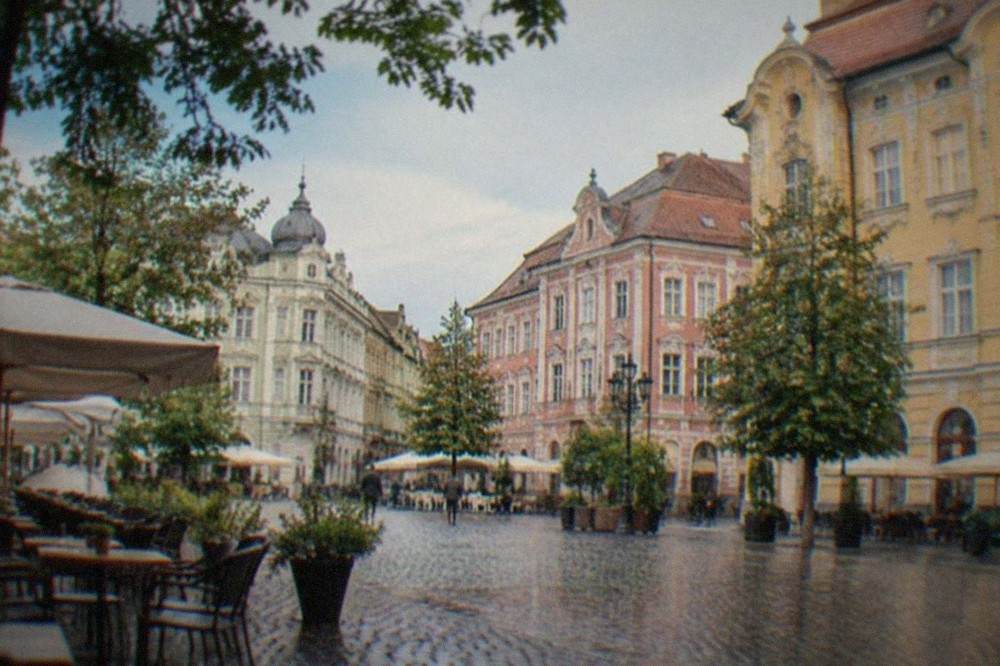
Walk north through Piata Libertatii, a smaller square with the old garrison buildings, and on to Piata Victoriei, the long open square where crowds gathered in December 1989 and where the Opera and the Metropolitan Cathedral face each other at either end. This is the square to understand before you visit the Memorial on day two: the buildings around you are the ones the world watched on television that winter.
A guided walk makes day one considerably richer, because the stories attached to these squares, the 1884 street lighting, the first horse-drawn tram in the Habsburg Empire in 1869, the three state theatres performing in Romanian, Hungarian and German since 1953, are easy to walk past without knowing them. The Downtown Dream Tour is the natural fit for exactly this route.
For the evening, check what is on at the Romanian National Opera: the building bookends Piata Victoriei, and a performance is the most atmospheric way to close a first day. If nothing is on, the lanes south of Piata Unirii hold most of the old town's best dinner options.
How Much Do Timisoara Museums Cost On Day Two?
Day two in Timisoara belongs to the 1989 Revolution Memorial, which charges adults 20 lei and covers eight permanent plus three temporary exhibitions and a documentary screening, and the Art Museum in the Baroque Palace, open Wednesday to Sunday with summer hours 13:00 to 21:00 and winter hours 10:00 to 18:00. Add the Metropolitan Cathedral, which needs no ticket, and you have a full day for under 50 lei per person in entry fees.
The Memorial of the Revolution is the city's most important single visit. Timisoara is where the Romanian revolution of December 1989 began, and the Memorial documents it with artifacts, photographs and a documentary. The 20 lei adult ticket also covers a 20 lei photo fee if you want to shoot inside. Hours run Monday to Friday 08:00 to 17:00 and Saturday to Sunday 10:00 to 18:00. Give it a full morning; the exhibits reward slow reading.
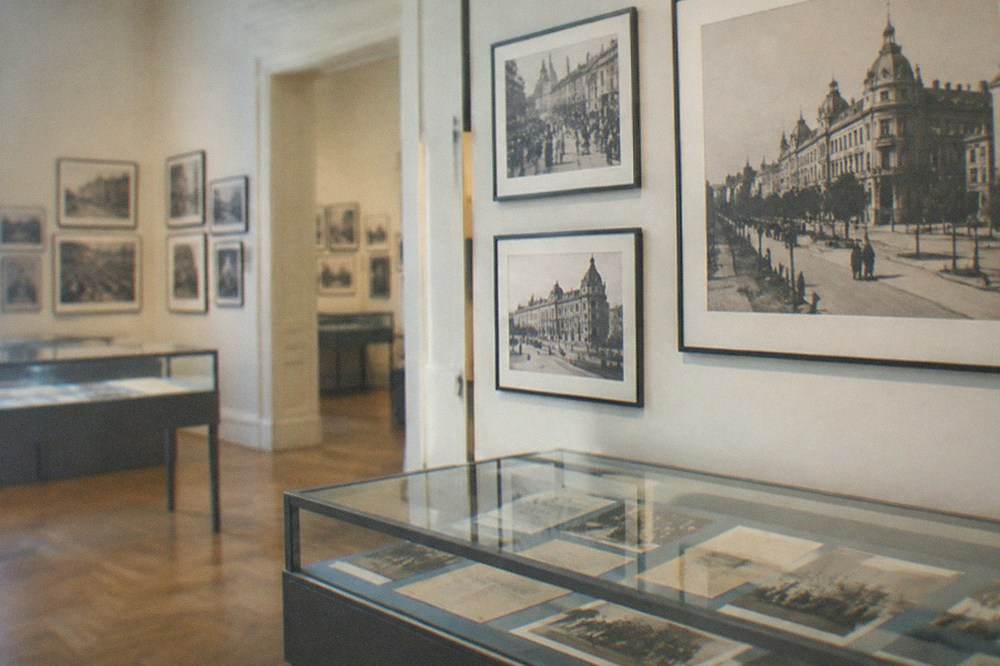
Afternoon belongs to the Art Museum back on Piata Unirii. Its hours shift seasonally, summer from June to September running 13:00 to 21:00, winter from October to May running 10:00 to 18:00, closed Mondays and Tuesdays in both seasons. The museum has hosted major loan exhibitions in recent years, including a Picasso show of works from the Musée Picasso Antibes on view into autumn 2026. Check what is running during your dates before you plan the afternoon around it.
The Metropolitan Orthodox Cathedral sits at the opposite end of Piata Victoriei from the Opera, and its towers are the city's skyline signature. Close the day with the Bega: the canal's banks are the city's evening promenade, and the vaporetto, the water bus, runs seasonally from 1 April to the end of October with a 5 lei fare if you would rather ride than walk.
Here is how the main paid sights on day two compare:
| Sight | Adult entry | Hours to plan around | Notes |
|---|---|---|---|
| 1989 Revolution Memorial | 20 lei | Mon-Fri 08:00-17:00, Sat-Sun 10:00-18:00 | Includes documentary; photo fee 20 lei |
| National Museum of Art | On site, check current listing | Wed-Sun, summer 13:00-21:00, winter 10:00-18:00 | Closed Mon and Tue |
| Metropolitan Cathedral | No ticket | Check before visiting | Hours not published in our sources |
| Theresia Bastion | Varies by venue inside | Check before visiting | Hours not published in our sources |
What Should Day Three In Timisoara Look Like?
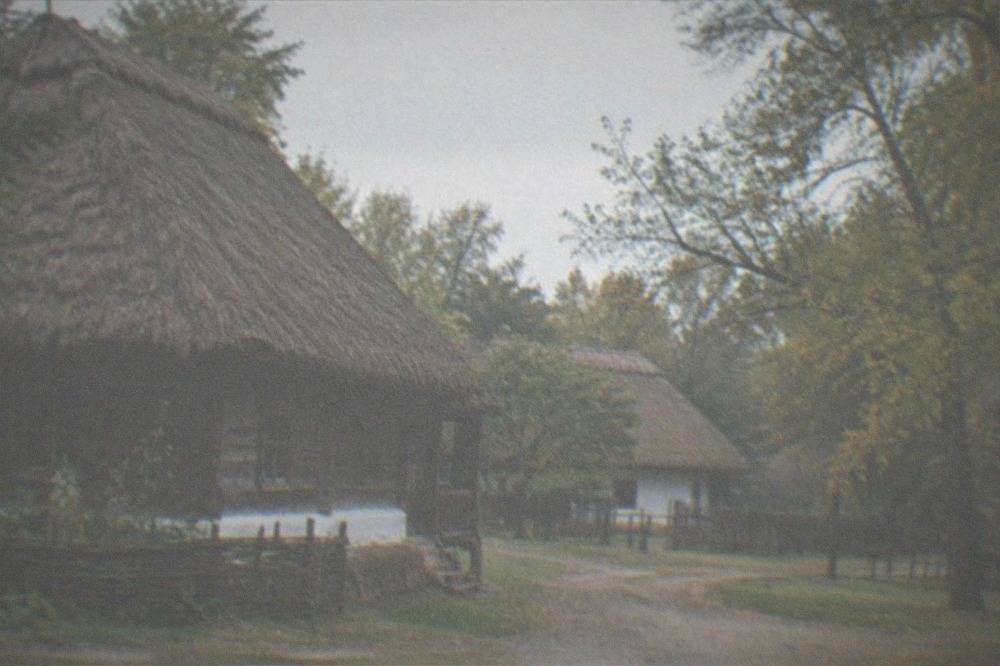
Day three in Timisoara should start at the Banat Village Museum, open Wednesday to Saturday 10:00 to 18:00 and Sunday 12:00 to 20:00 with a reported 20 lei adult ticket, then split: either an afternoon half-day trip into the Banat countryside with lunch, or a slower city afternoon in Elisabetin and along the Bega. Day three is the flexible day, and the right choice depends on whether you want villages or terraces.
The Banat Village Museum is the city's open-air museum of traditional Banat architecture, and it also hosts the Flight Festival in June, so check the events calendar before you go. The 20 lei adult price is a figure reported in our sources rather than confirmed on the museum's own tariff page, so treat it as a planning number and verify at the gate. The museum closes Mondays and Tuesdays, which makes day three, if it falls midweek, the wrong slot for it: swap it with day two if needed.
If you stay in the city, Elisabetin is the neighborhood for a slow afternoon: quiet residential streets, small galleries, and the blocks between the Bega and the central squares. The Theresia Bastion is the other day-three candidate, a remnant of the Habsburg fortress now holding cafes and cultural spaces, including a children's interactive museum that opened in May 2026.
A classic walking tour works well on any of the three mornings if you would rather have the orientation first and explore alone afterwards; the listing carries its own current price and rating.
For food, the city's street food tour is the day-three evening option that doubles as dinner, and the listing shows its current price and review score.
How Do You Get Around Timisoara In Three Days?
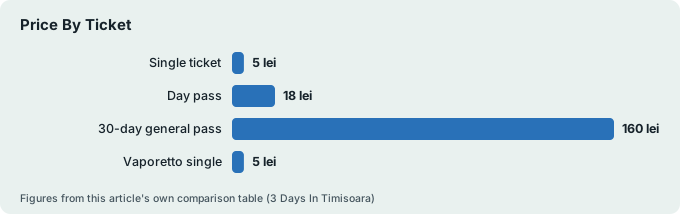
You get around Timisoara in three days mostly on foot, because Cetate's three squares and the Bega banks are all walkable, with the tram network and the vaporetto for anything further: a single 60-minute ticket costs 5 lei and covers all modes including the water bus, a one-day pass costs 18 lei, and you can pay by contactless bank card on board. Taxis and ride-hailing fill the gaps at night.
The transport system, run by STPT, is simple for visitors: one ticket, 5 lei, valid 60 minutes across trams, trolleybuses, buses and the vaporetto. The day pass at 18 lei is the better buy on day two or three if you plan three or more rides. Payment is genuinely easy: contactless bank card on board, e-wallet card, SMS, mobilPay, eTicket or the STPT kiosks. Note that some third-party ticketing apps have been suspended in 2026, so the onboard card reader is the most reliable option.
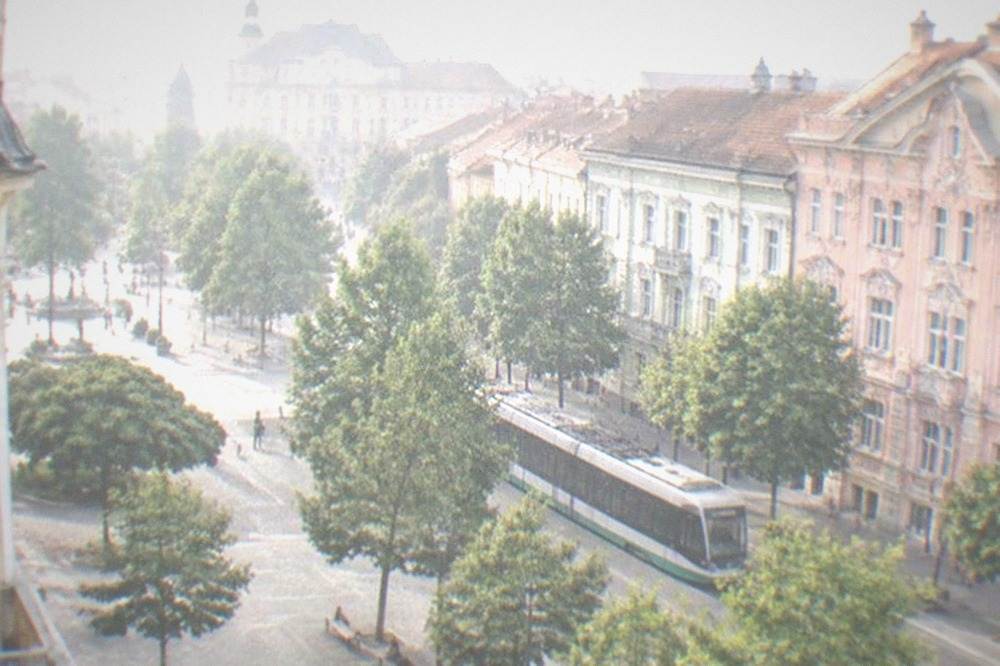
The vaporetto, the water bus on the Bega, runs from 1 April to the end of October with nine stops per direction and the same 5 lei fare. It is more of a pleasure ride than a commuter service, which is exactly why it belongs on day three. Tram works around Piata Traian have caused diversions since August 2026, so check live alerts on the operator's site for your dates.
| Ticket | Price | Validity |
|---|---|---|
| Single ticket | 5 lei | 60 minutes, all modes including vaporetto |
| Day pass | 18 lei | One calendar day, all modes |
| 30-day general pass | 160 lei | All modes, 30 days |
| Vaporetto single | 5 lei | One ride on the Bega water bus |
For airport transfers, the express bus E4 runs between the city and Traian Vuia airport; the dedicated airport to city center guide covers the options in detail. Note one 2026 quirk: the airport runway is closed for repairs from 2 to 22 November 2026, a closure announced by the airport, so flights in that window are affected and you should check your dates against it.
Where Should You Eat Across Three Days In Timisoara?
Across three days in Timisoara, eat day one's dinner in the Cetate lanes around Piata Unirii, day two's lunch near the Memorial or back in the old town, and day three's food either in Elisabetin's smaller kitchens or on a street food tour that doubles as dinner. Coffee runs about 13 to 15 lei a cappuccino, a draft beer in a neighborhood pub about 11 to 12 lei, and an inexpensive restaurant meal about 45 to 50 lei, per September 2026 cost-of-living data.
Those consumer prices come from cost-of-living aggregators updated in September 2026, and they are planning ranges, not promises: venues vary, and the figure at your table is the one that counts. What the ranges do tell you is that Timisoara is inexpensive by western European standards, so three days of eating out is not a budget strain.
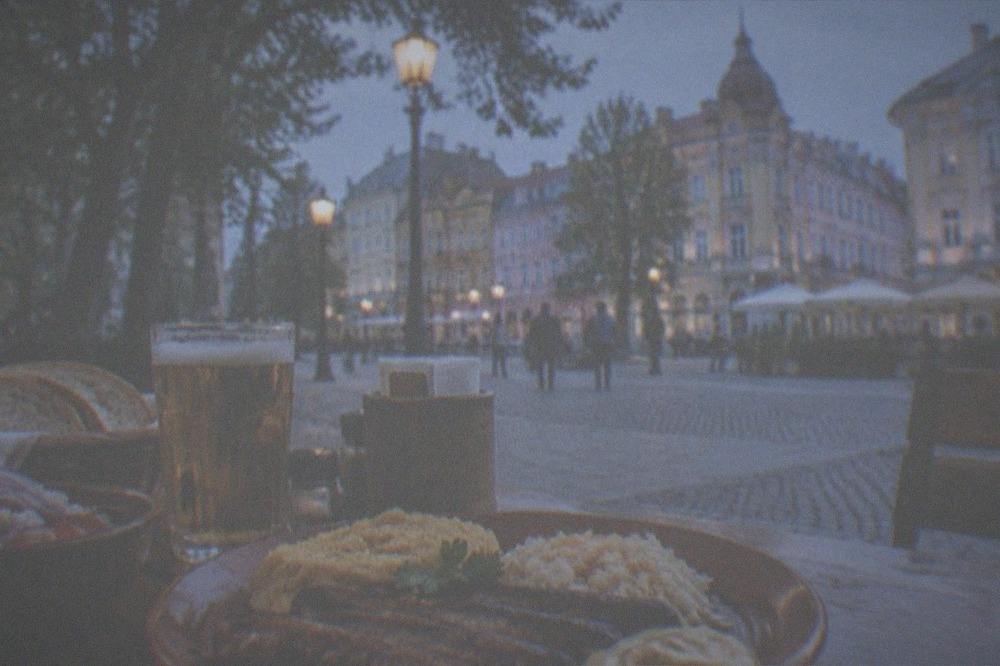
The local food identity is Banat cuisine, a mix of Romanian, Hungarian, German and Serbian traditions, and the old town's menus reflect all four. The city's brewing history runs deep: the oldest attested brewery in Romania dates to 1718 here. The Timisoara food guide lists specific venues; for three days, the simplest strategy is one old-town dinner, one neighborhood dinner, and one food tour or market lunch.
| Day | Lunch plan | Dinner plan |
|---|---|---|
| Day 1 | Cafe lunch on Piata Unirii | Old town restaurant in Cetate |
| Day 2 | Near the Memorial or back in Cetate | Elisabetin or Bega-side terrace |
| Day 3 | Village Museum area or on a day trip | Street food tour as dinner |
What Can You Do In Timisoara If It Rains?
If it rains during your three days in Timisoara, swap your outdoor blocks for the Art Museum, the 1989 Revolution Memorial, the Communist Consumer Museum and the Public Transport Museum, then finish with a long cafe session in Cetate: June is the wettest month at 79.1 mm and March the driest at 34.1 mm in the city's climate normals, so rain is possible in any season but rarely a whole-day event.
The city's climate is continental: the JMA normals for the Timisoara station give a January mean of 0.0 C and a July mean of 22.8 C, with 600.7 mm of precipitation spread across the year. What that means for an itinerary is simple: summer afternoons can be hot enough to want shade, winter days cold enough to want indoor blocks, and rain rarely ruins a full day. The rainy day in Timisoara guide has a full indoor plan.
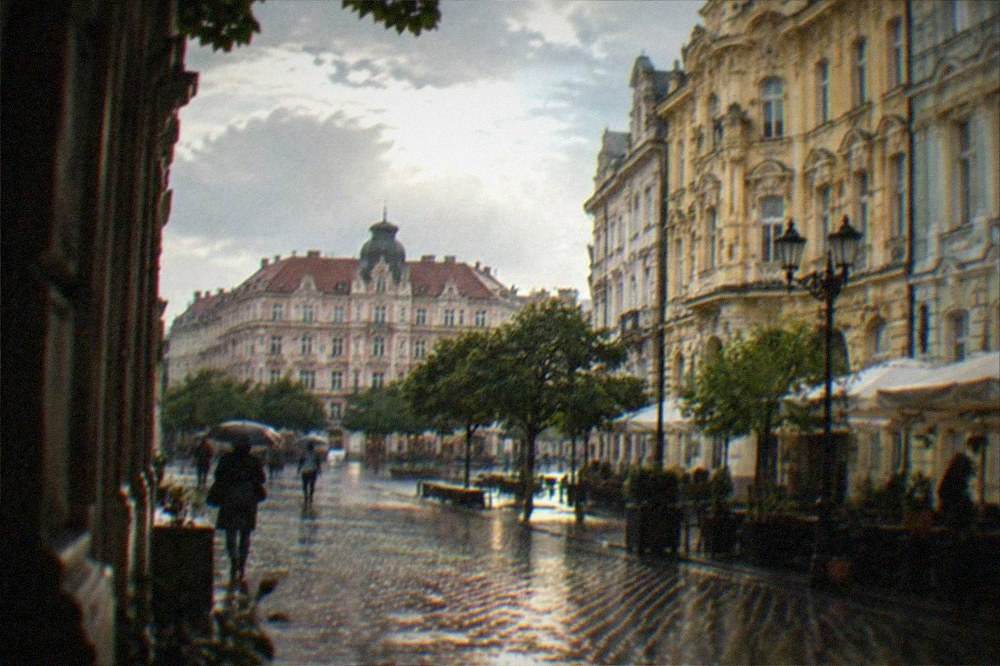
The practical rainy-day move on this itinerary is to pull day two's museums forward and push the Bega and Village Museum blocks to whichever day looks drier. The Memorial in particular is a two-hour indoor block that loses nothing in bad weather.
| Month block | Mean temp | Precipitation | Itinerary adjustment |
|---|---|---|---|
| Dec-Feb | 0.0 to 2.1 C | 35.5 to 44.7 mm | Indoor-heavy days, Christmas Market if late Dec |
| Mar-May | 6.5 to 17.3 C | 34.1 to 57.2 mm | Best walking weather, pack a layer |
| Jun-Aug | 20.9 to 22.8 C | 54.6 to 79.1 mm | Vaporetto season, shade at midday |
| Sep-Nov | 6.4 to 17.2 C | 45.3 to 50.4 mm | Vaporetto until end of October, museums |
Should You Add A Day Trip From Timisoara?
You should add a day trip from Timisoara only if your three days have flexibility to spare, and the best fit for this itinerary is a half-day trip into the Banat countryside with lunch, which leaves your morning intact; full-day options like the Nera Gorge, the Danube gorges or Corvin Castle each consume a whole day and belong on a longer trip such as a western Romania week rather than a tight three-day visit.
This is the honest trade-off. Three days in the city is already full without a day trip, but day three's afternoon is the one block you can trade away. A half-day countryside option with lunch included is the natural swap, and the listings below show current prices and ratings.
If you can extend to four or five days, the regional options open up: the Nera Gorge, the Danube gorges, Corvin Castle and the spa town of Baile Herculane are all reachable, and the western Romania in 7 days itinerary strings them together. For a shorter visit, the two-day plan keeps everything inside the city.
One planning note if a countryside trip tempts you: a 2% tourist tax on accommodation, reported under the city council's 2026 local decision, is collected by your lodging as part of the bill, so it is not something you pay at attractions or restaurants. The rate as reported applies per night on the accommodation tariff excluding VAT.
What Should You Pack For 3 Days In Timisoara?
For 3 days in Timisoara, pack walking shoes for the cobbles of Cetate, a layer for evenings even in summer when the July mean sits at 22.8 C, a rain shell in any month, and cash in Romanian lei for small venues: the leu is the local currency, the euro is not adopted, and the National Bank of Romania's reference rate stood at 5.2788 lei per euro in late September 2026. Cards work widely but a small cash reserve is sensible.
Romania is a full Schengen member, with air and sea accession in March 2024 and land borders since January 2025, so if you are arriving from Hungary there are no routine border checks; if you cross from Serbia you pass an external Schengen border with passport checks. Non-EU short-stay travelers are now registered by the EES entry/exit system, fully operational at all external borders since April 2026, so expect biometric capture on first entry.
Packing for the squares is the part visitors underestimate: Piata Unirii and the lanes around it are cobbled, and three days of walking adds up. Beyond shoes, the list is short.
| Item | Why | Applies to |
|---|---|---|
| Comfortable walking shoes | Cobbled old town, Bega banks | All seasons |
| Rain shell | 34.1 to 79.1 mm monthly precipitation | All seasons |
| Evening layer | Continental climate, cool nights | Spring to autumn |
| Warm coat and gloves | January mean 0.0 C | Winter |
| Some Romanian lei | Small venues and markets | All seasons |
Common Questions About 3 Days In Timisoara
Is 3 days in Timisoara enough?
Yes. Three days covers the Cetate squares, the 1989 Revolution Memorial, the Art Museum, the Metropolitan Cathedral, the Bega canal and the Banat Village Museum, with one afternoon left for a countryside half-day trip. A fourth day is only needed if you want a full-day excursion to the Nera Gorge or the Danube gorges.
What is the best order for 3 days in Timisoara?
Day one in Cetate around Piata Unirii, Piata Libertatii and Piata Victoriei; day two on the Revolution Memorial and the museums; day three on the Bega, the Village Museum or a countryside half-day. Swap days two and three if your day three falls on a Monday or Tuesday, when the Village Museum is closed.
Do you need a car for 3 days in Timisoara?
No. The center is walkable, the tram network covers the rest with a 5 lei single ticket, and the vaporetto runs the Bega from April to the end of October. A car only pays off if you add a full-day trip into the Banat mountains, and even then guided day trips handle the driving.
How much does 3 days in Timisoara cost?
City entry fees are modest: the Revolution Memorial charges 20 lei for adults and the Village Museum a reported 20 lei, while the Metropolitan Cathedral needs no ticket. An inexpensive restaurant meal runs about 45 to 50 lei and a cappuccino 13 to 15 lei per September 2026 cost-of-living data, so three days of food and sights is inexpensive by western European standards.
When is the best time to spend 3 days in Timisoara?
Spring and early autumn. The climate is continental, with a July mean of 22.8 C and a January mean of 0.0 C, so April, May, September and October give the best walking weather. The vaporetto runs from 1 April to the end of October, and December brings the Christmas Market to Piata Victoriei, with its dates announced late each year.
Three days in Timisoara, planned this way, leaves you with the squares, the revolution story, the museums and the water, and still one afternoon of Banat countryside if the mood takes you.