Szeged
Szeged is the great Hungarian city just across the border from Timisoara, in Timis County, in the Banat region of western Romania, and it makes one of the easiest international day trips you can plan from this city.
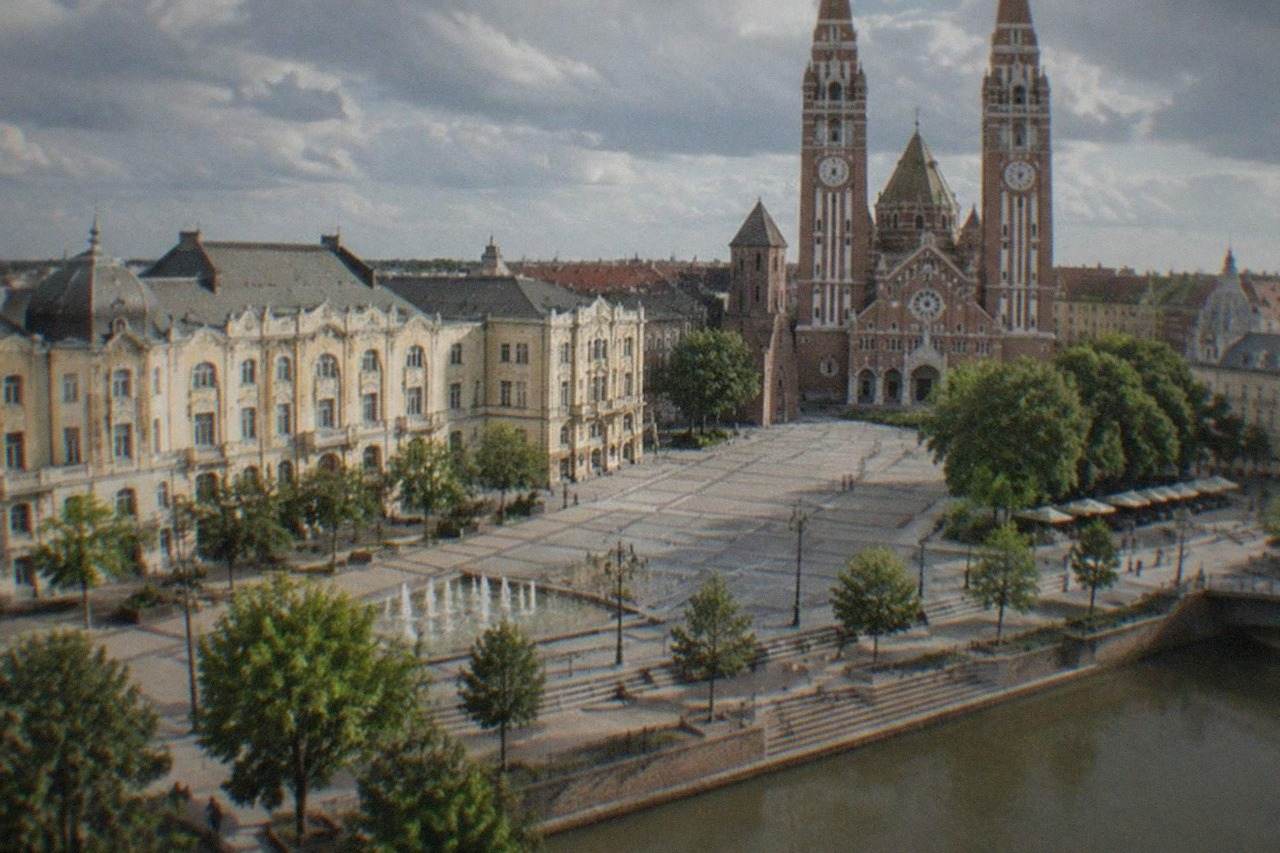
Short answer
Szeged is a border-hop day trip from Timisoara into Hungary: a walkable university city on the Tisza river, famous for the Votive Church on Dom ter, art nouveau facades, riverside promenades and Hungary's paprika. Romania and Hungary have been in the same Schengen area since 1 January 2025, so there are no routine border checks on the way.
Szeged is the closest big Hungarian city to Timisoara, in Timis County, in the Banat region of western Romania, and it is the natural answer when a few days in the Banat capital leave you wanting one more city, one more country and one more river. Timișoara sits barely an hour's drive from the European Union's internal border with Hungary, and since Romania joined the Schengen area fully on 1 January 2025, that border has stopped being an obstacle and become a formality. Szeged rewards the crossing with a skyline of its own: twin neo-roman towers of the Votive Church rising over a vast open square, a lazy bend of the Tisza river wrapped in promenades, and a pedestrian main street lined with art nouveau facades and the smell of paprika. This guide lays out how to get there, what to see, what to eat and how to fit it all into one day, written from verified local facts about the Timisoara side of the trip.
Why Is Szeged Such A Popular Day Trip From Timisoara?
Szeged works as a day trip because it compresses a full European city experience into a compact, walkable core: a monumental cathedral square, a river promenade, a pedestrian main street and a famous food culture, all reachable from Timisoara without a visa stop, a currency crisis or a long-haul timetable. The two cities share a slice of history, since both spent centuries inside the Habsburg monarchy, and both carry that layered, multi-ethnic past in their architecture and their restaurant menus. Where Timisoara is the city that pioneered electric street lighting on the mainland of Europe in 1884, Szeged is the city that rebuilt itself in grand style after the Tisza burst its banks in the nineteenth century and flattened the old town. The result is a city center that feels deliberately planned, with wide boulevards and generous squares.
The comparison that matters for planning is scale. Szeged's sights cluster tightly around the river and the main street, so a visitor arriving in the morning can cover the cathedral square, the riverside, the market hall and a proper lunch without ever needing local transport. Timisoara, by contrast, spreads its attractions across the Cetate, Fabric, Iosefin and Elisabetin districts, which is why a first visit there deserves its own full itinerary rather than a rushed afternoon.
There is also the simple pleasure of contrast. You leave a Romanian city where the coffee comes in lei and the trams are electric descendants of the first one in the country, and a short drive later you are in a Hungarian city where the language, the pastries and the river all change. It is a small, low-stakes international adventure, and that is exactly what makes it popular with both locals and visitors basing themselves in the Banat. It is also the kind of trip the Timisoara Travel Guide site exists for: short, cross-border and built on facts you can plan around.
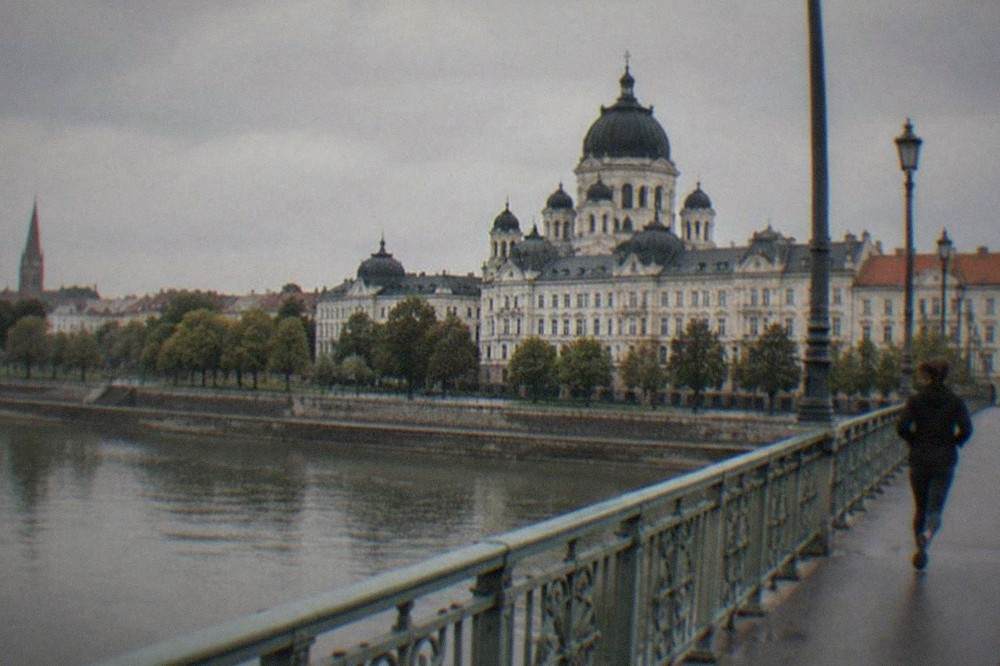
How Do You Get From Timisoara To Szeged?
The practical routes from Timisoara to Szeged are by car or by rail through the internal Schengen border with Hungary, and since 1 January 2025 there are no routine identity or vehicle checks at crossings such as Nadlac, only occasional spot checks, so the journey is treated like any domestic drive or train ride. By road, the route runs north through the Arad area and across the border into Hungary's southern plain, and the A1 motorway links Timisoara toward Arad and on to the Nadlac crossing with Hungary, with a new four-lane link road between the city and the motorway opened to traffic on 22 September 2026. By rail, Szeged lies on Hungary's southern corridor toward Budapest, and direct trains do run from Timisoara Nord to Budapest, roughly five and a half hours twice daily, so it is worth checking the timetable for a Szeged stop or a connection when you plan the day.
The border itself deserves a moment of explanation, because it changed more in two years than it had in the previous decade. Romania joined Schengen by air and sea on 31 March 2024 and by land on 1 January 2025, which turned the Hungarian frontier from a controlled external border into an internal one. Live border monitors reported in September 2026 that waits at the Hungary crossings are now primarily traffic-related rather than documentary.
| What | Status | What It Means For Your Trip |
|---|---|---|
| Schengen air and sea accession | 31 March 2024 | Flights between Romania and Hungary are treated as internal |
| Schengen land accession | 1 January 2025 | No routine checks at Nadlac and other road crossings |
| EES entry-exit system | Fully operational since 10 April 2026 | Applies to external Schengen borders, not the Hungary crossing |
| Documents to carry | ID card or passport | Keep one on you; spot checks remain possible |
| Currency after crossing | Hungarian forint in Szeged | Romanian lei are not used in Hungary |
One planning note on the Romanian side: if your day trip starts with a flight into Timisoara or a hotel pickup, the city's public transport runs on a simple, verified tariff, with a 60-minute ticket covering all modes including the Bega water bus at 5 lei and a day pass at 18 lei, and you can pay with a contactless bank card on board. For the border crossing itself, no vignette is needed on the Romanian side for the A1 to Nadlac, but Hungary requires a motorway vignette for its expressways, so buy one online or at the border before joining any Hungarian motorway sections.
If you would rather trade the driving for a guided day in the border region in the opposite direction, there is a full-day option that pairs another border-region city with spectacular caves.
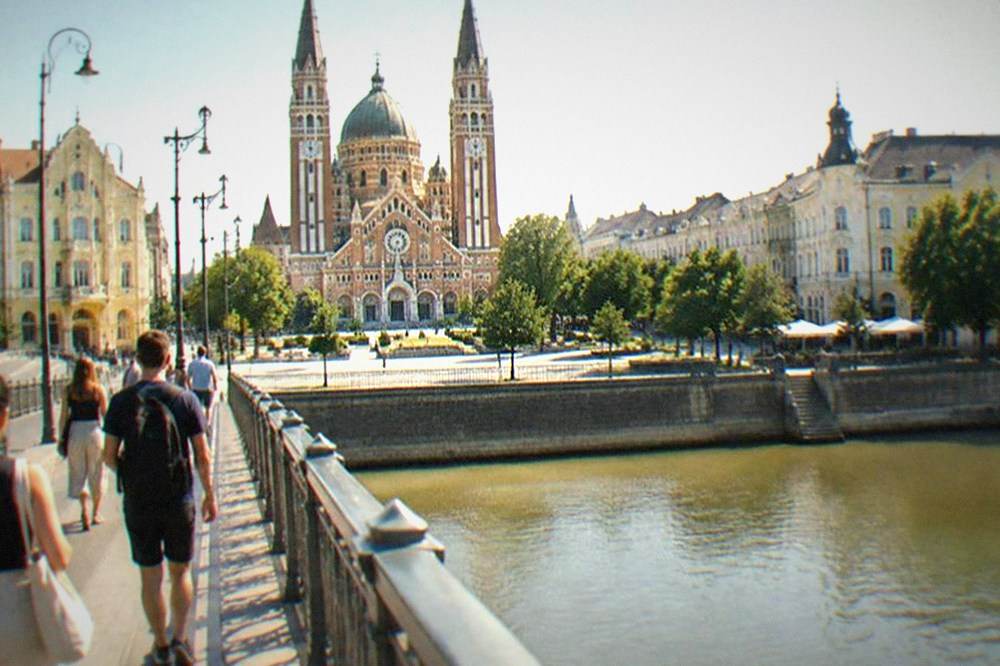
What Are The Must-See Sights In Szeged?
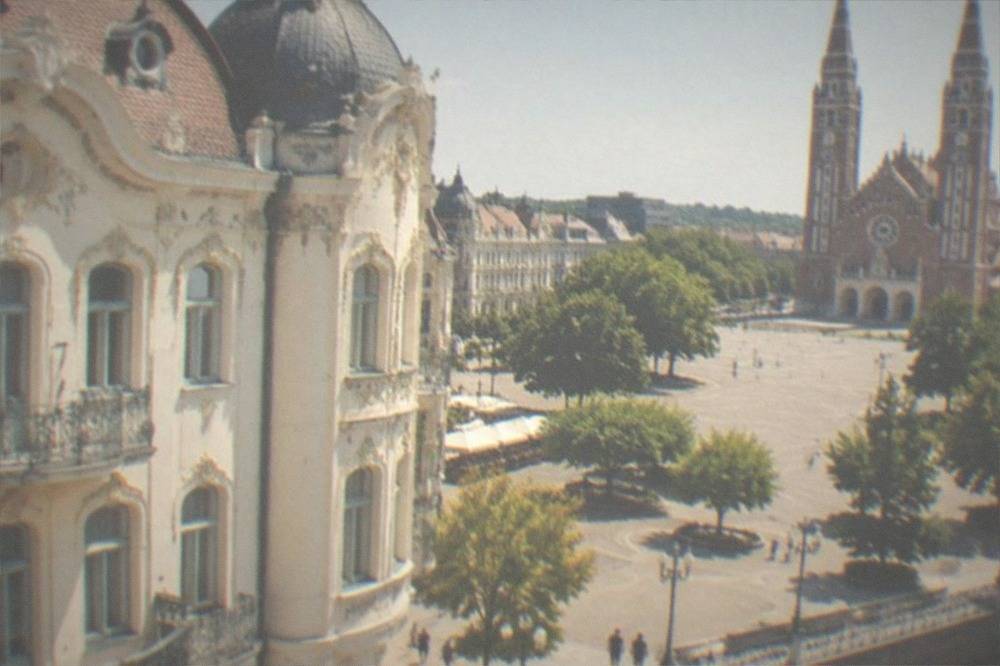
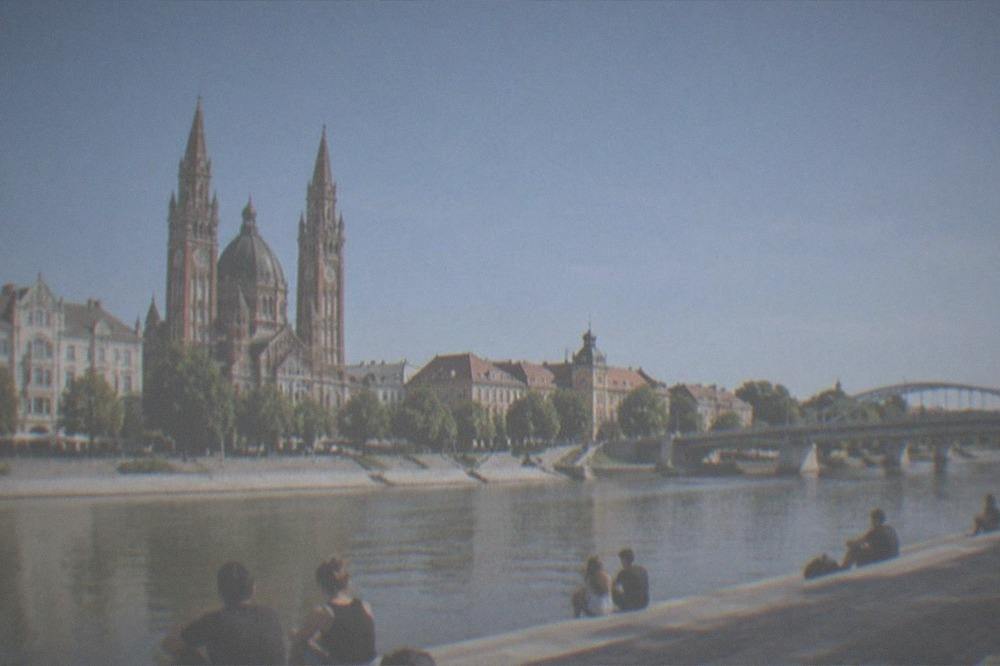
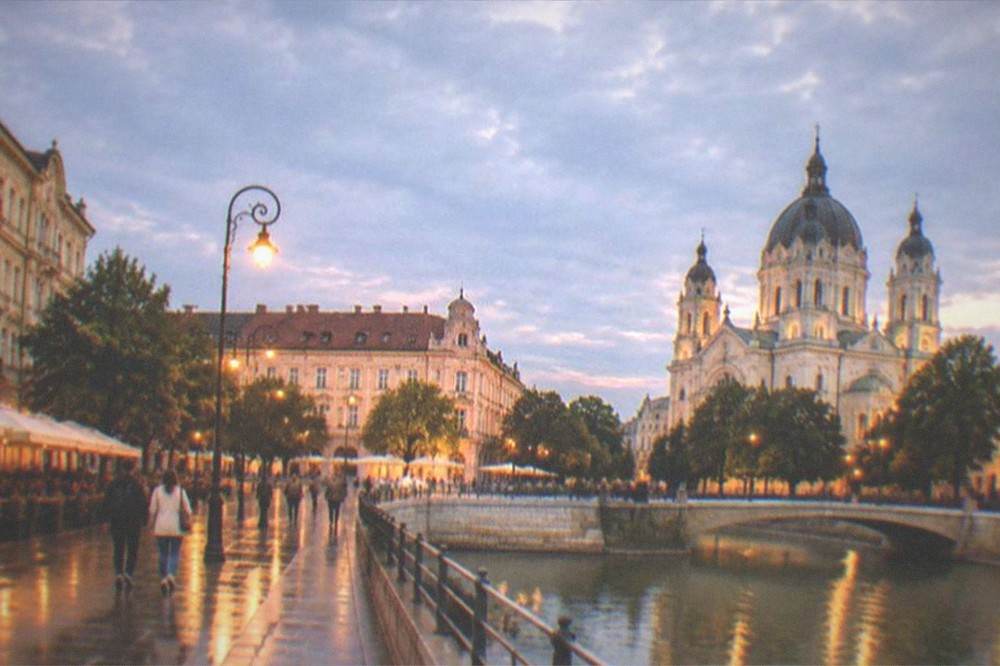
The must-see sights in Szeged are Dom ter with the Votive Church and its twin towers, the Tisza riverbank promenades, the pedestrian main street of Karasz utca, the art nouveau facades including the Reok Palace, the New Synagogue, and the central market hall where the paprika trade is on full display, all within walking distance of each other. Dom ter is the emotional center of the visit: an enormous open square framed by university buildings and the Votive Church, built as the city's act of thanksgiving and defiance after the great Tisza flood destroyed the old town. Climb the towers if they are open, because the view over the flat southern plain and the river bend explains the city's whole geography in one glance.
From Dom ter, the walk west along Karasz utca, the pedestrian main street, is the Szeged equivalent of strolling Timisoara's stretch between Piata Unirii and Piata Victoriei. Look up rather than in shop windows: the facades above the storefronts carry the art nouveau and eclectic detailing that made the rebuilt city famous. The Reok Palace, a short detour off the main drag, is the single most photographed facade in the city, all curves, floral ironwork and aquatic motifs. The New Synagogue is another landmark worth the detour, one of the largest and most beautiful in this part of Europe.
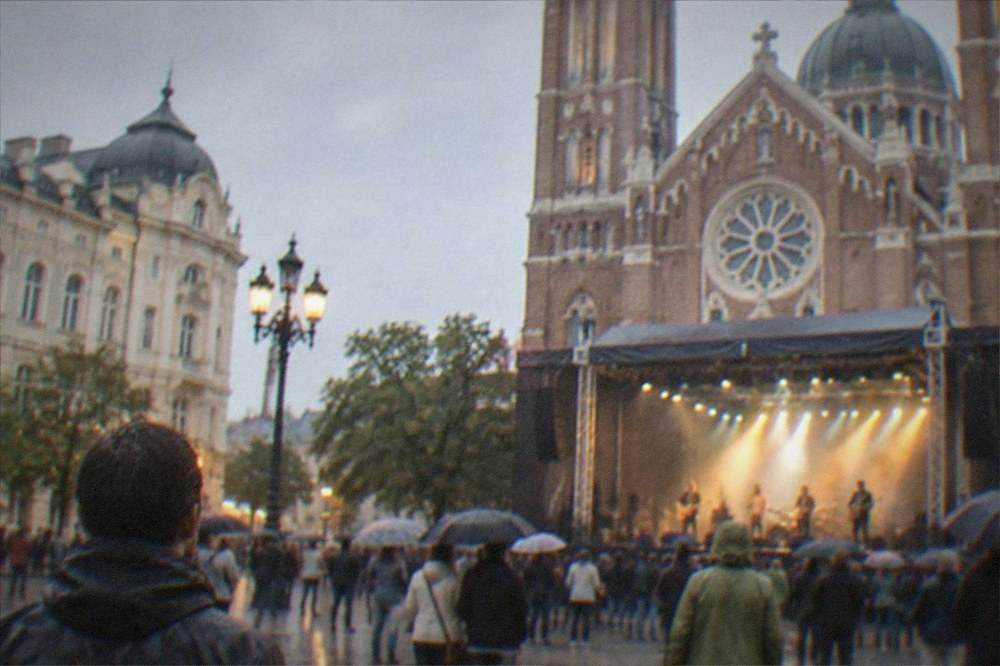
The Tisza riverbank is where Szeged slows down. Bridges cross the river at several points, and both banks carry promenades popular with cyclists and families. In summer the far bank hosts open-air events, and the same square that holds the cathedral hosts the Szeged Open-Air Festival, one of Hungary's most established summer theater events, with a stage built against the cathedral itself. If your day trip lands on a festival evening, you get two cities' worth of atmosphere for one border crossing.
| Szeged Sight | What It Is | The Timisoara Counterpart Worth Comparing |
|---|---|---|
| Dom ter and the Votive Church | Monumental cathedral square on the flood's footprint | Union Square, Piata Unirii with its Baroque palace and colored facades |
| Karasz utca | Pedestrian main street with art nouveau facades | The old town walk between the squares in Cetate |
| Tisza riverbank | Promenades and bridges on both banks | The Bega canal promenade, the city's own linear park |
| New Synagogue | Large, ornate synagogue in the city center | The Cetate Synagogue, freshly restored |
| Central market hall | Paprika, salami and produce under one roof | The food markets and cafés covered in Timisoara food |
A note on expectations: Szeged is not a museum-dense capital. Its charm is architectural, culinary and riverside, and a day there is best spent walking, eating and sitting in squares rather than queueing for tickets. That is precisely why it pairs so well with a Timisoara base, where the museums, from the Memorial Museum of the Revolution to the National Museum of Art, are concentrated on the Romanian side of the border.
What And Where Do You Eat In Paprika Country?
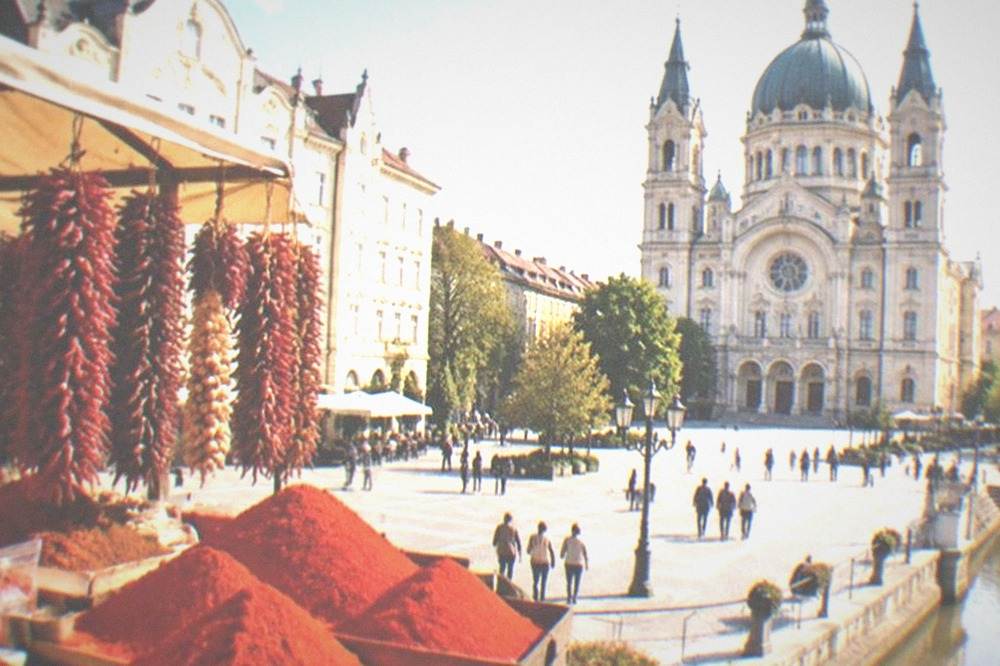
Eating in Szeged means two things above all: paprika and fish, because the city is Hungary's paprika capital and the Tisza supplies a local fish soup culture, so the dishes to order are halaszle, the paprika fish soup, and anything made with Szeged paprika, alongside the salami the city has produced for well over a century. The central market hall is the best first stop, with mounds of red powder in every grade from mild to hot, strings of dried peppers, and stalls selling the local salami by weight. Restaurants around the center serve the classic southern Hungarian repertoire, and the portions are generous in a way that rewards arriving hungry and walking it off afterward.
The paprika story is genuinely local. The pods were dried and ground in the Szeged region until the powder became the defining flavor of Hungarian cooking, and the city's name is still attached to it on packaging across Europe. The salami carries the same geography. Neither is tourist kitsch; both are industries the city built its modern identity on, and the market hall is where you can see, smell and buy them at source.
For contrast, the Timisoara side of the border has its own food identity worth planning around, and the Timisoara restaurants guide covers where the Banat's own mix of Romanian, Hungarian, German and Serbian cooking is served. A good pattern for a two-center trip is dinner in Timisoara the night before, a paprika-heavy lunch in Szeged on the day itself, and a light evening back on the Bega.
| Szeged Food | What It Is | Where To Try It |
|---|---|---|
| Halaszle | Paprika fish soup, the signature dish of the Tisza region | Traditional restaurants around the center |
| Szeged paprika | Ground red pepper, the city's flagship product | Central market hall, sold by grade and heat |
| Szeged salami | Locally produced salami with paprika in the cure | Market hall counters and delicatessens |
| Langos | Fried dough with sour cream, garlic and cheese | Riverbank and market snack stands |
| Local pastries | Hungarian café baking, coffee culture | Cafés on and around the main pedestrian street |
If a food-focused day closer to base appeals more than the border hop, the Banat's own countryside can be visited with a guide and lunch included, and the street-food walk through Timisoara covers the Romanian side of the same appetite.
How Much Time Do You Need In Szeged?
A single long day is enough to see Szeged properly, because the walkable core covers the cathedral square, the main street, the market hall and the riverbank, but two additions stretch it into something richer: an open-air festival evening in summer, or a detour pairing the city with a thermal bath stop, which the Szeged area is known for alongside its river and food. Arrive in the morning, walk Dom ter and the towers first while your legs are fresh, do the main street and market hall before lunch, eat a proper halaszle, then give the afternoon to the riverbank and one or two of the facades you missed. That is a complete, satisfying day.
The main variable is the crossing and the drive. Because the Hungarian border is now internal, the friction is traffic and parking rather than passport queues, so an early start buys you a full day rather than a half. In Szeged itself, park once near the center and walk everywhere; the city's layout rewards pedestrians and punishes nothing.
Szeged, Novi Sad Or Belgrade: Which Border City Day Trip Should You Choose?
Choose Szeged for architecture, paprika and the easiest crossing; choose Novi Sad for a Danube fortress and a livelier cafe scene; and choose Belgrade if you want a capital city with fortress walls and nightlife, because those two Serbian destinations sit across an external Schengen border with passport checks, while Szeged sits across an internal border with no routine checks. That border distinction is the single biggest planning difference between the three trips. Serbia is outside Schengen, so the crossings at Jimbolia, Moravita and Stamora Moravita involve document checks, and live monitors reported waits of roughly 20 to 30 minutes in the Romania-to-Serbia direction in late September 2026, sometimes longer coming back. Hungary, by contrast, is borderless since 1 January 2025.
The character difference is just as real. Szeged is calm, orderly and architectural. Novi Sad is a Danube city with the Petrovaradin fortress above it and a famous EXIT-adjacent festival calendar. Belgrade is a big, loud, historic capital where the Sava meets the Danube. If your trip to Timisoara has room for only one border crossing, pick by temperament: food and facades means Szeged, fortress and river means Novi Sad, capital energy means Belgrade.
| Day Trip From Timisoara | Country | Border Type | Best For |
|---|---|---|---|
| Szeged | Hungary | Internal Schengen, no routine checks | Architecture, paprika, cathedral square |
| Novi Sad | Serbia | External Schengen, passport checks | Danube fortress, cafe life |
| Belgrade | Serbia | External Schengen, passport checks | Capital city, fortress, nightlife |
| Arad | Romania | No border | Art nouveau close to home, on the Szeged route |
| Vrsac | Serbia | External Schengen | Small Serbian town, vineyards |
| Oradea | Romania | No border | Art nouveau city and thermal baths |
There is also a purely Romanian cluster of day trips if border formalities put you off entirely: the Nera Gorge, the Danube Gorges, Baile Herculane and the Banat villages all sit inside Romania and need nothing but a full tank. Szeged simply adds a second country and a second currency to that list, which for many visitors is half the fun.
For travelers whose interest in the region is its history rather than its scenery, the 1989 Revolution story is told on guided walks in Timisoara itself, and one of the strongest options focuses on the uprising that started here.
What Should You Know About Money, Documents And Timing?
For money, Hungary uses the forint and Romania uses the lei, so plan on paying in forint in Szeged and lei back in Timisoara, with cards accepted widely in both cities; for documents, carry a valid ID card or passport because spot checks remain possible even at internal borders; and for timing, avoid the first days of a Romanian public holiday weekend and check the airport runway closure of 2 to 22 November 2026 if your trip involves flying. The forint question trips people up more than the border does. You do not need to change money in advance for a day trip, since cards cover almost everything in Szeged's center, but small market stalls and snack stands prefer cash, so a modest amount of forints is genuinely useful.
On the Romanian side, the leu is the till currency and the euro is not adopted, and the National Bank of Romania's reference rate stood at 5.2788 lei per euro on 23 September 2026. Timisoara also levies a tourist tax on accommodation, set by local council decision HCL 719/2025 and reported at 2 percent of the accommodation tariff excluding VAT, collected by the lodging, not by you at a desk.
| Topic | The Verified Position | Practical Takeaway |
|---|---|---|
| Romanian currency | Romanian leu (RON), euro not adopted | Pay in lei in Timisoara, forint in Szeged |
| BNR reference rate | 1 EUR = 5.2788 RON, 23 September 2026 | A benchmark, not a street rate |
| Tourist tax in Timisoara | HCL 719/2025, reported at 2 percent of tariff excl. VAT | Added to your hotel bill, nothing to do at the border |
| Border documents | ID card or passport | Carry one; spot checks are possible |
| Airport note | Runway fully closed 2 to 22 November 2026 for repairs | Check flights if arriving or departing in that window |
Timing the day itself matters less than you might fear. The climate in Timisoara is continental, with a January mean of 0.0 C and a July mean of 22.8 C, and Szeged's plain shares that pattern: hot, bright summers, cold gray winters, and the wettest month of the year in June at 79.1 mm of rain. The table below gives the full verified normals for the Timisoara station, which is the best planning proxy for the whole cross-border region.
| Month | Mean Temp (C) | Precipitation (mm) |
|---|---|---|
| Jan | 0.0 | 37.3 |
| Feb | 2.1 | 35.5 |
| Mar | 6.5 | 34.1 |
| Apr | 12.3 | 50.6 |
| May | 17.3 | 57.2 |
| Jun | 20.9 | 79.1 |
| Jul | 22.8 | 61.9 |
| Aug | 22.5 | 54.6 |
| Sep | 17.2 | 50.4 |
| Oct | 11.5 | 50.0 |
| Nov | 6.4 | 45.3 |
| Dec | 1.5 | 44.7 |
The sweet spots are late spring and early autumn: warm enough for the riverbank, dry enough to trust the forecast, and outside the peak summer festival crush, unless the festival crush is exactly what you came for, in which case aim for the open-air season on Dom ter. December brings a different Szeged, with a Christmas market atmosphere of its own, and pairs naturally with the Christmas in Timisoara season on the Romanian side.
How Does Szeged Fit Into A Longer Timisoara Stay?
Szeged fits best as the international day of a three- to five-day Timisoara itinerary, slotted after you have covered the city's own squares and museums, because it adds a second country and a second culture without adding a second hotel, and it pairs naturally with the other day trips that radiate from the Banat capital. A pattern that works well: two days inside Timisoara, covering things to do across the city from Piata Unirii to the Metropolitan Orthodox Cathedral, then one day trip into Romania's scenery, then Szeged as the finale with a border crossing and a cathedral square. The three days in Timisoara and weekend in Timisoara itineraries both leave room for exactly this kind of substitution.
The reason Szeged earns the finale slot is that it is the day trip that feels least like a suburb. Arad is close and rewarding but Romanian; the Banat villages and gorges are beautiful but rural. Szeged is a genuine university city with a national reputation, a river, a festival and a food culture, and crossing into it changes the language on the street signs. For visitors flying home via Timisoara Traian Vuia airport, whose passenger numbers reached 1,458,098 in 2025 according to Romanian Airports Association figures reported in the press, the airport's own guide covers the logistics of the last morning, and the airport lies northeast of the city in the opposite direction from the Szeged route, so plan the farewell day accordingly.
For a final evening back on the Romanian side, the story of the city you have been using as a base deserves more than a glance, and a second guided option walks the 1989 Revolution sites with a focus on the events that began here and ended a regime.
If comparing the two Revolution walks side by side, the difference is scope and price point rather than subject: both cover the December 1989 uprising that started in this city, but they differ in length and in what each listing publishes. Whichever you choose, book the evening before, because Revolution-themed walks in the city where the uprising began fill fastest on weekends and around the 15 December and 20 December anniversaries.
Common Questions About Szeged
Do You Need A Passport To Visit Szeged From Timisoara?
A valid ID card or passport is what you should carry. Romania and Hungary have both been in the Schengen area with open land borders since 1 January 2025, so there are no routine checks at the crossing, but identity documents remain legally required and spot checks are possible.
Which Currency Do You Use In Szeged?
Hungary uses the forint. Romania uses the Romanian leu, and the euro is not adopted there; the National Bank of Romania's reference rate was 5.2788 lei per euro on 23 September 2026. Cards are widely usable in Szeged's center, but small market stalls prefer cash.
Is There A Direct Train From Timisoara To Szeged?
Direct trains run from Timisoara Nord to Budapest in roughly five and a half hours, twice daily, and Szeged lies on Hungary's southern rail corridor toward the capital, so check the current timetable for a Szeged stop or a connection when booking. Schedules change, so confirm before committing to a rail day trip.
What Is Szeged Famous For?
Szeged is famous for the Votive Church and the vast Dom ter built after the great Tisza flood, for being Hungary's paprika capital, for its salami, for its fish soup, and for the Szeged Open-Air Festival staged on the cathedral square each summer.
Can You Visit Szeged And Come Back To Timisoara The Same Day?
Yes. The walkable core of Szeged fits comfortably into a single day, and the internal Schengen border means the crossing is quick. Start early, park near the center, and give the day to the cathedral square, the main street, the market hall and the riverbank.
Is Szeged Or Novi Sad The Better Day Trip From Timisoara?
Szeged is easier, because Hungary is inside Schengen and Serbia is not, so the Novi Sad trip involves passport checks at an external border. Choose Szeged for architecture and food, Novi Sad for the Danube fortress and cafe scene, and Belgrade if you want a full capital city experience.
Szeged is the day trip that gives a Timisoara stay its international dimension: one border, one river, one cathedral square and one bag of paprika, all close enough to be back on the Bega by nightfall.