Timisoara Hidden Gems
Past Piata Unirii and the Metropolitan Cathedral lies a second Timisoara: leafy Elisabetin, industrial Fabric, riverside Iosefin and a string of small museums off the usual itineraries.
Short answer
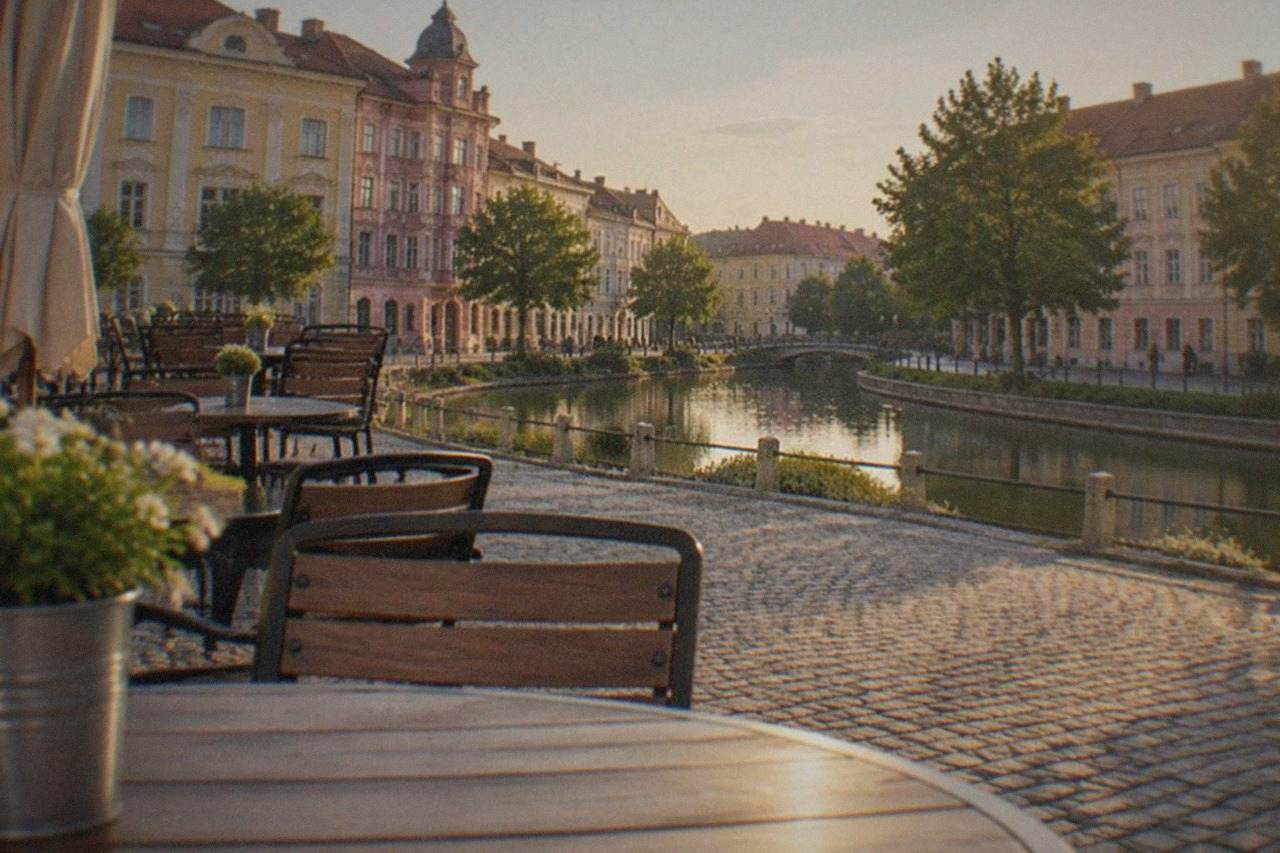
Timisoara's best hidden gems are the Elisabetin and Fabric neighborhoods, the Millennium Church, the Iosefin Water Tower, the Museum of Urban Public Transport, the quiet reaches of the Bega canal and the villages of the Banat countryside beyond the city.
Timisoara, in Timis County in the Banat region of western Romania, rewards the traveler who lingers one square past the postcard views. The baroque showpieces around Piata Unirii and the Metropolitan Cathedral draw the crowds, and rightly so, but the city keeps its best secrets a few streets away: pastel villas behind Elisabetin's hedges, a water tower you can climb in Iosefin, a tram museum tucked beside the depot, and a canal promenade where locals cycle and nobody queues. This guide, from the editorial desk at Timisoara Travel Guide, walks through the hidden gems of Timișoara one neighborhood at a time, then follows the trail out into the Banat villages where the crowds thin to nothing.
What Are The Best Hidden Gems In Timisoara, Romania?
The best hidden gems in Timisoara are the Millennium Church in Fabric, the Iosefin Water Tower, the Museum of Urban Public Transport, the quiet courtyards and side streets of Elisabetin, the Bega canal reaches away from the city center, and the small squares of Cetate that sit just off the main tourist route. None of them charge a gate you cannot check in advance, and all of them sit within a short tram ride of Piata Unirii.
The pattern behind Timisoara's hidden gems is simple. The city's tourist footprint is compact: visitors orbit Piata Unirii, Piata Victoriei and the cathedral, then leave. Everything beyond that triangle, and everything one street deeper inside it, stays quiet even in the busier months. The 2025 figures from the city's own tourism report show why the city feels uncrowded: 296,199 tourist arrivals across the whole year, with an average stay of about 1.83 days. That is a fraction of the volume a Central European capital absorbs, spread across a wide, low-rise city.
The trick is to treat the squares as gateways rather than destinations. From Piata Unirii, any street leading south or east lands in Cetate's residential grid within two blocks, where 19th-century facades, student bars and small courtyards replace the souvenir stands. The main things to do in Timisoara fill the first day easily; this page is for the second and third.
| Hidden gem | Where it sits | What makes it easy to miss |
|---|---|---|
| Millennium Church | Fabric, east of the center | Fabric sits outside most walking routes |
| Iosefin Water Tower | Iosefin, southwest | The neighborhood is a tram ride from Piata Unirii |
| Museum of Urban Public Transport | Near the tram depot | Small, specialist, rarely listed in short guides |
| Elisabetin side streets | South of the Bega | Visitors circle the squares and turn back |
| Bega canal reaches | Along the water | Most people only see the central promenade |
| Cetate courtyards | Old town grid | Arched gateways look private, many are not |
Which Timisoara Neighborhoods Hide The Most?
Elisabetin, Fabric and Iosefin are the three Timisoara neighborhoods that hide the most: Elisabetin for its Secession villas and bohemian corners, Fabric for the Millennium Church and its working-class industrial heritage, and Iosefin for the water tower, quiet boulevards and riverside walks. All three are historic districts, all three are on tram lines, and none of them appears on the standard first-day circuit.
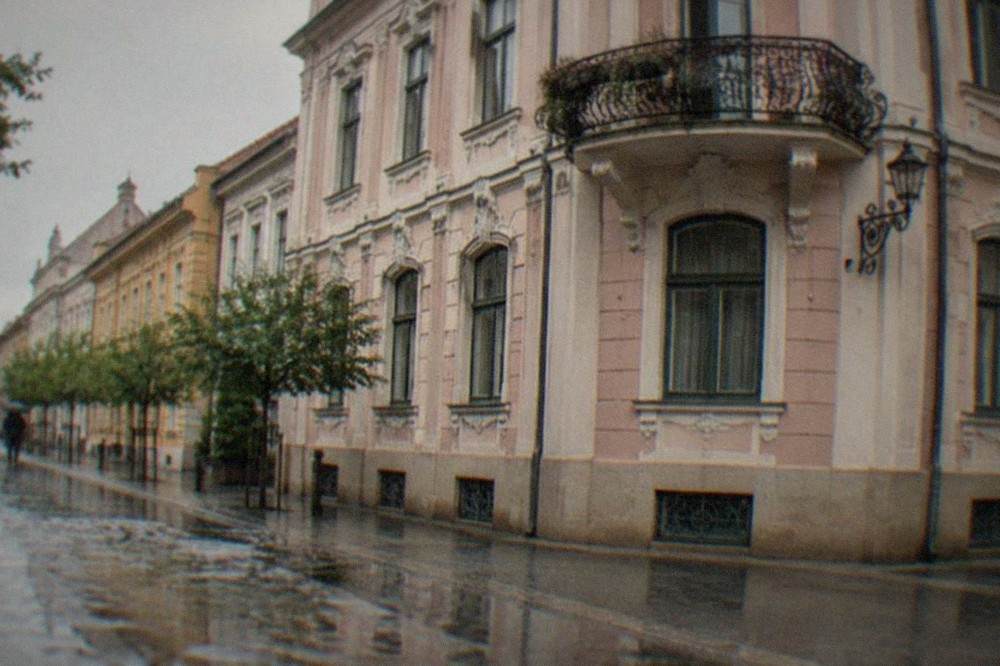
Elisabetin is the easiest of the three to love. South of the Bega, it is a grid of low villas, plane trees and small churches, with the kind of streets where a camera comes out every fifty meters. Its architecture is the draw: the neighborhood keeps some of the city's richest Secession and interwar facades, and because it is residential, they are viewed at leisure rather than through a crowd. The district's quiet character is exactly why a guided walk works so well here; the stories attached to individual houses are invisible without someone to point them out.
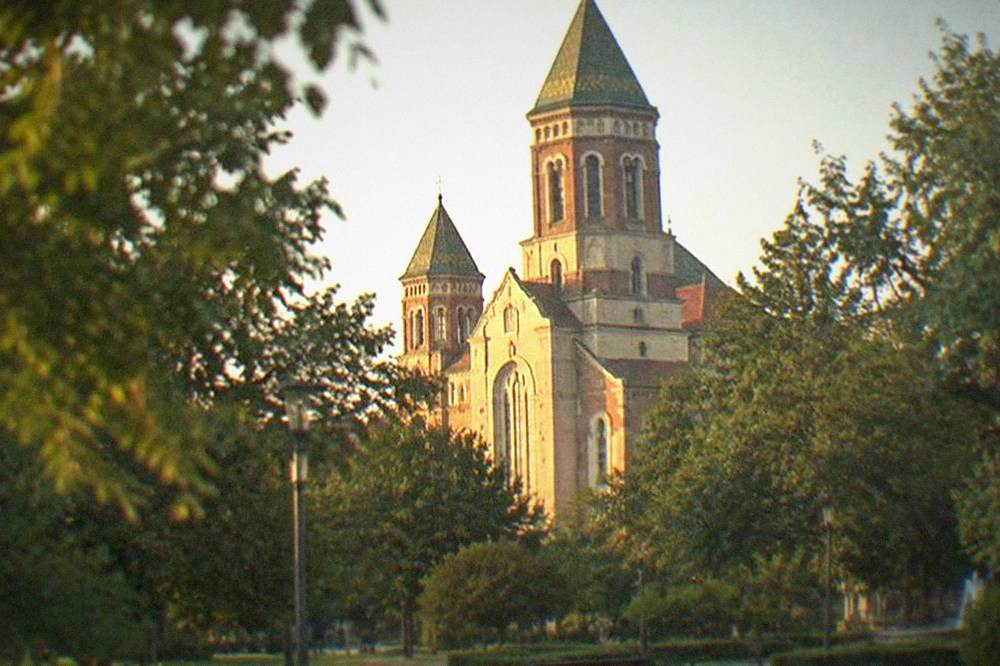
Fabric, east of the center, is the city's industrial memory. This was the workers' district of Austro-Hungarian Temesvár, and its fabric of red-brick halls, Orthodox and Catholic churches and the grand Millennium Church still tells that story. The Millennium Church, completed in the early 1900s as the district's Roman Catholic centerpiece, anchors Trajan Square, a space that has spent recent years under urban regeneration works and is re-emerging as one of the city's most pleasant public rooms. The square's transformation is covered in the Trajan Square guide.
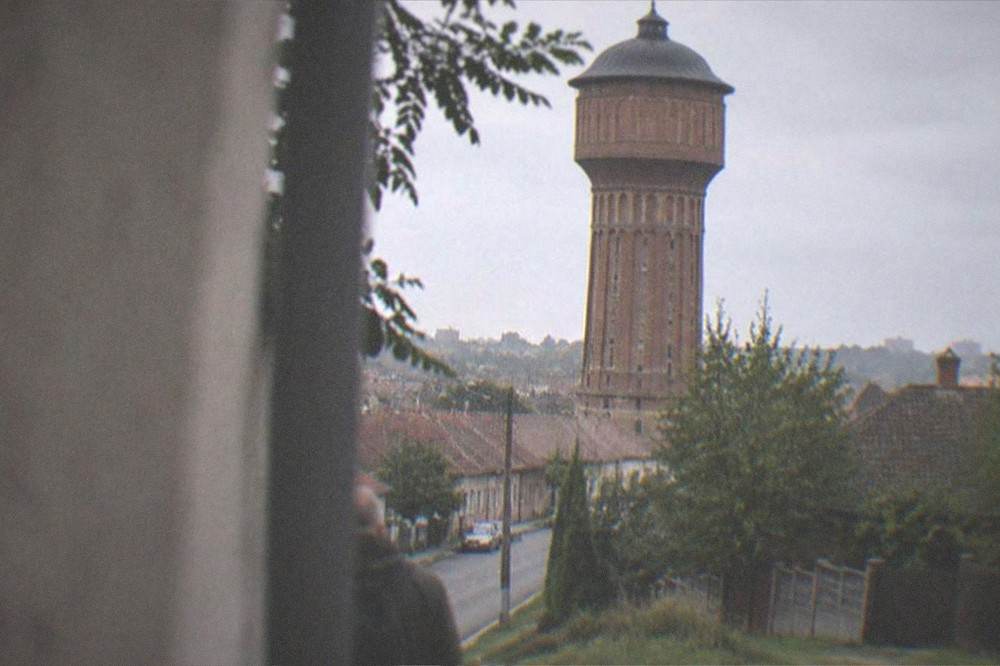
Iosefin, southwest of the center, is the quietest of the three. Its landmarks are the Dicasterial Palace, a colossal neo-Romanian courthouse that looks like it was airlifted from Bucharest, and the Iosefin Water Tower, built 1912 to 1913 and now serving as a small exhibition and viewpoint space. The district's boulevards, laid out on the old imperial grid, are wide, shaded and almost empty of tourists. Between Fabric and Iosefin, the first-timer's Timisoara dissolves and the lived-in city takes over.
| Neighborhood | Character | Signature hidden sights | Tram access from the center |
|---|---|---|---|
| Elisabetin | Leafy, bohemian, residential | Secession villas, quiet churches, corner cafes | Yes, direct lines |
| Fabric | Industrial heritage, red brick | Millennium Church, Trajan Square, old halls | Yes, direct lines |
| Iosefin | Imperial boulevards, riverside | Dicasterial Palace, water tower, Bega banks | Yes, direct lines |
| Cetate (off-grid) | Baroque core beyond the squares | Courtyards, arcades, small museums | Walkable |
A single 18 lei day pass covers trams, trolleybuses and buses across the whole network, including the vaporetto water bus in season, so linking all three neighborhoods in one day costs less than a coffee in many Western capitals. The getting around Timisoara guide has the full ticket detail.
Which Small Museums In Timisoara Are Worth Seeking Out?
The small museums worth seeking out in Timisoara are the Museum of Urban Public Transport beside the tram depot, the Memorial Museum of the 1989 Revolution, the Banat Village Museum on the city's edge, and two brand-new arrivals from 2026: the MIC children's interactive museum in the Maria Theresia Bastion and the MINA immersive art space in Iulius Town. The National Museum of Art rounds out the list for anyone whose legs tire before their curiosity does.
Timisoara's museum scene runs far deeper than its size suggests, and the smaller institutions are where the city's odd, specific character lives. The Museum of Urban Public Transport tells the story of a city that ran the first horse-drawn tram in the Habsburg Empire, from 8 July 1869 between Cetate and Fabric, and then the first electric tram in Romania in 1899. For a city that still moves by tram today, it is a fitting shrine. Opening hours and admission for this museum are not published in verified sources, so check before setting out.
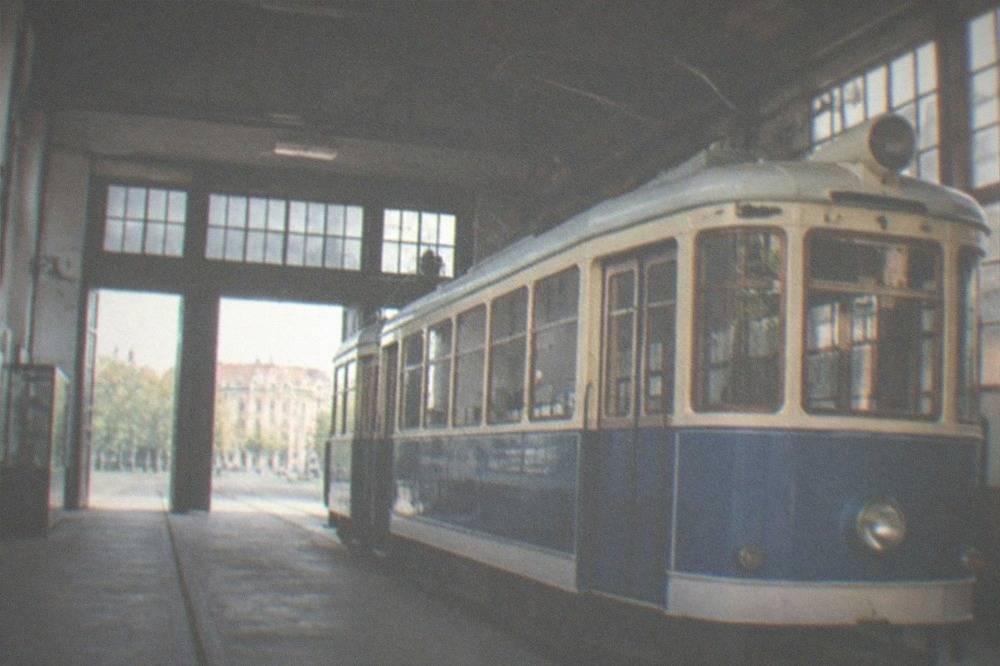
The Memorial Museum of the 1989 Revolution is the essential one. Timisoara is where the Romanian Revolution began, and the memorial's permanent exhibition, at 20 lei for adults including the documentary screening, is the most moving hour in the city. The 1989 Revolution guide covers the sites, and the museums overview maps the full scene.
| Museum | Focus | Verified access detail |
|---|---|---|
| Memorial Museum of the 1989 Revolution | The revolution that started here | Adults 20 lei; open Mon-Fri 08:00-17:00, Sat-Sun 10:00-18:00 |
| Banat Village Museum | Open-air folk architecture of the Banat | Open Wed-Sat 10:00-18:00, Sun 12:00-20:00; closed Mon-Tue |
| Museum of Urban Public Transport | Trams, trolleybuses, city transit history | Hours and fees not published in verified sources |
| MIC children's museum | Interactive exhibits for children | Opened May 2026 in the Maria Theresia Bastion |
| MINA immersive art | Large-scale projection art | Opened April 2026 in Iulius Town |
| National Museum of Art | Romanian and European painting, baroque palace | Summer Wed-Sun 13:00-21:00; winter Wed-Sun 10:00-18:00 |
Where Does Timisoara Hide Its Green And Waterside Corners?
Timisoara hides its greenest corners along the Bega canal, in the parks of the north and east of the city, and along the tree-lined boulevards of Iosefin and Elisabetin. The Bega was canalized starting in 1728 as the first navigable canal in Romania, and today its banks form a continuous waterside promenade, with the vaporetto water bus running nine stops per direction in season at the standard 5 lei ticket price.
The Bega is the city's spine, and the central stretch is what usually gets seen. Follow the canal northeast beyond the Mary Bridge and the promenade changes character: joggers, anglers, herons, and long green stretches where the city feels genuinely rural. In April 2026 the municipality planted two mini urban forests and over 450 square meters of wildflower meadows along the canal banks using the Miyawaki method, part of a deliberate push to turn the waterline into a continuous ecological corridor. The Bega canal guide traces the full walkable route.
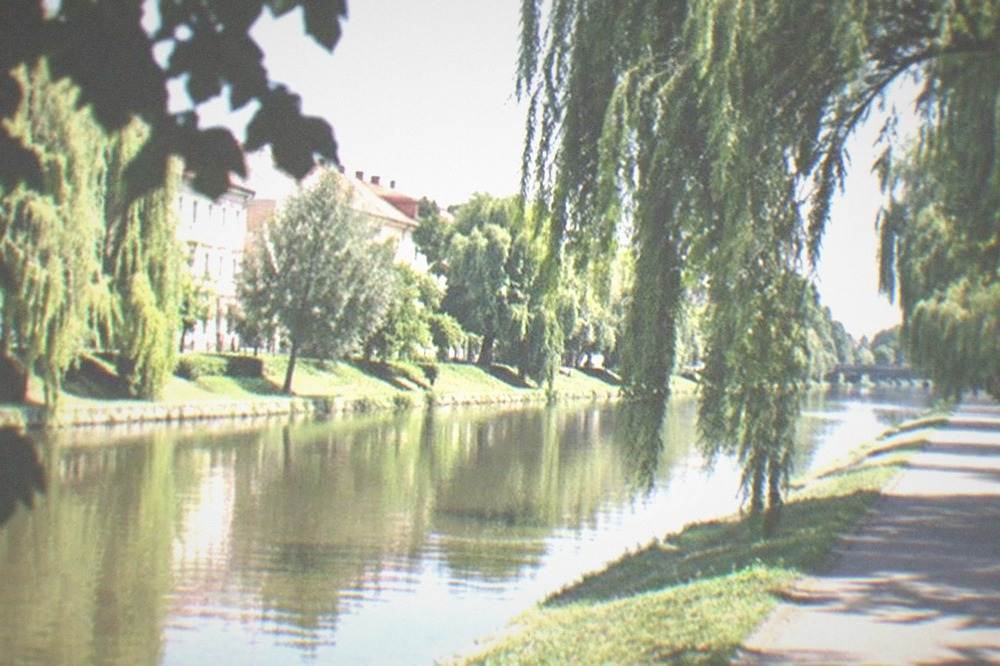
The vaporetto deserves a ride even from skeptics. It runs seasonally, from 1 April to the end of October, and a single 60-minute ticket at 5 lei covers it, the same ticket as the tram. It is more a pleasure craft than a commuter line, carrying roughly 140,000 passengers across the 2025 season, which tells you the water is calm and the seats are usually free. Buy with a contactless card on board.
Beyond the canal, the city's park network spreads wide. Roses Park and Central Park sit close to the center, but the larger green lungs, including the Botanical Park and the zoo's woodland, lie further out where the crowds never follow. Specific hours and fees for the Botanical Park and Roses Park are not published in verified sources, so treat them as free-roaming green space and verify locally.
| Green or waterside corner | Character | Best reached by |
|---|---|---|
| Bega canal, northeast reaches | Wild-ish towpath, meadows, birds | Vaporetto or bike |
| Bega central promenade | Strolling, cafes, bridges | On foot from Piata Unirii |
| Elisabetin boulevards | Plane-tree shade, villa views | Tram or walk |
| Central Park and Roses Park | Formal beds, quiet benches | Walk from the center |
| Banat Village Museum grounds | Open-air heritage park on the edge | Tram toward the east |
What Do Hidden Gems In Timisoara Cost To Explore?
Exploring Timisoara's hidden gems costs very little: a 60-minute public transport ticket is 5 lei, a day pass covering trams, buses and the vaporetto is 18 lei, a cappuccino runs 13 to 15 lei, a half-liter of draft beer 11 to 12 lei, and a full inexpensive restaurant meal 45 to 50 lei. The Memorial Museum charges 20 lei, making a full hidden-gems day affordable on pocket change by Western European standards.
The city's low cost is part of why wandering works so well here. There is no expensive gate between the visitor and the good stuff; the hidden gems are mostly streets, squares and canal banks, and the paid sights are few and cheap. The figures below come from cost-of-living trackers updated in September 2026, so treat them as planning ranges and check the room or the meter, as prices drift.
| Item | Typical price (RON) | Notes |
|---|---|---|
| 60-minute transport ticket | 5 | All modes, including the vaporetto in season |
| 1-day transport pass | 18 | Whole network, contactless accepted on board |
| Cappuccino | 13-15 | Regular coffee shop |
| Draft beer, 0.5 L | 11-12 | Neighborhood pub |
| Inexpensive restaurant meal | 45-50 | Main course, no drinks |
| Memorial Museum adult ticket | 20 | Includes exhibitions and documentary |
One recurring cost that surprises some visitors is the local tourist tax, a promotion levy collected by accommodations. It is set by the city council for 2026 and is reported as 2 percent of the accommodation tariff excluding VAT; it appears on the hotel bill rather than being paid at a desk, and it is small enough that most guests never notice it. The cost and prices guide and the Romanian currency guide cover the money side in full: the leu is the till currency, and the euro is not adopted.
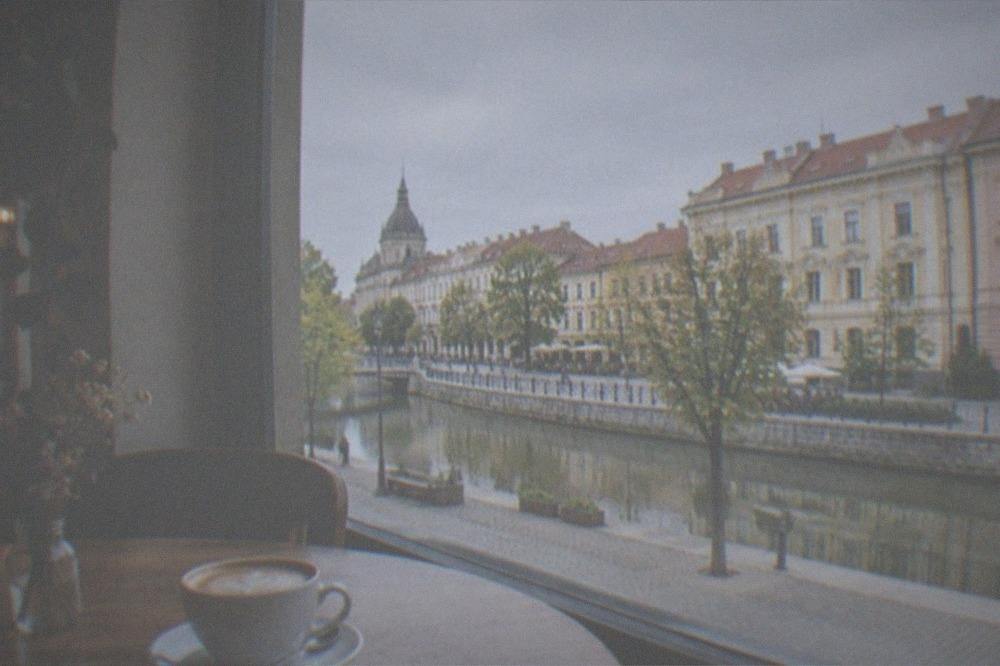
Eating like a local is the other quiet pleasure here. The neighborhoods in this guide hold some of the city's best small kitchens, and the restaurants guide and food guide map them dish by dish. Banat cuisine mixes Romanian, Hungarian, Serbian and Swabian traditions, so a hidden-gem food crawl in Elisabetin or Iosefin tastes like four regions at once.
When Is The Best Time To Explore Timisoara's Quiet Side?
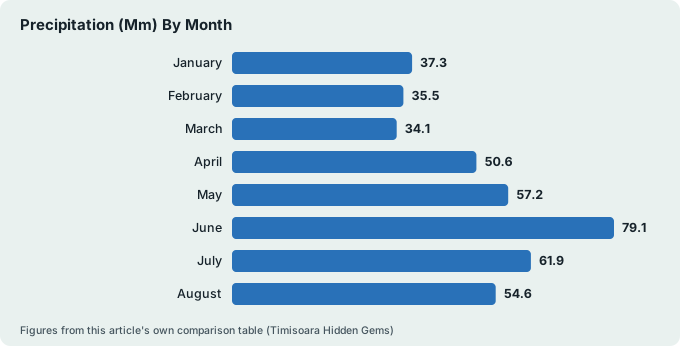
The best time to explore Timisoara's quiet side is May, June and September, when mean temperatures run from 17.3 to 22.8 degrees Celsius and the Bega promenade and park network are at their best. July and August are the warmest months at 22.8 and 22.5 degrees mean, while January sits at 0.0 degrees. June is the wettest month at 79.1 mm of rain and March the driest at 34.1 mm.
The climate here is firmly continental, with cold winters and warm summers, and the JMA/WMO climate normals for the Timisoara station give the full picture. What the table shows is how gentle the shoulder seasons are: April already averages 12.3 degrees, and October holds 11.5, which makes both fine months for walking the outer neighborhoods without summer heat or winter gloom.
| Month | Mean temp (C) | Precipitation (mm) | Hidden-gem verdict |
|---|---|---|---|
| January | 0.0 | 37.3 | Quiet but cold; squares are empty |
| February | 2.1 | 35.5 | Cold; museum weather |
| March | 6.5 | 34.1 | Driest month; good for long walks |
| April | 12.3 | 50.6 | Blossom season in Elisabetin |
| May | 17.3 | 57.2 | Prime time |
| June | 20.9 | 79.1 | Warmest welcome, but the wettest month |
| July | 22.8 | 61.9 | Warm; seek canal shade |
| August | 22.5 | 54.6 | Festival season, long evenings |
| September | 17.2 | 50.4 | The connoisseur's month |
| October | 11.5 | 50.0 | Golden light on the Bega |
| November | 6.4 | 45.3 | Quiet, atmospheric, grey |
| December | 1.5 | 44.7 | Christmas Market season in Piata Victoriei |
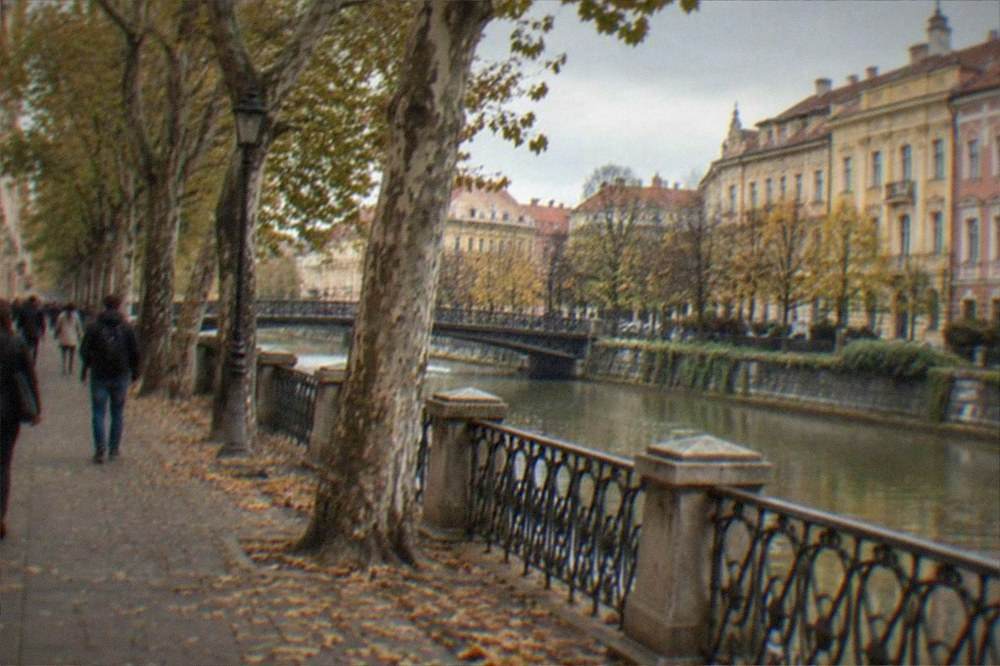
The best time to visit guide and the weather by month guide expand on this, but the hidden-gem logic adds one twist: the quietest sights are quiet year-round, so the calendar matters less here than it does for the headline attractions. December deserves a special mention, not for the weather, but because the Christmas Market fills Piata Victoriei while Elisabetin stays hushed a ten-minute walk away, as the Christmas in Timisoara guide explains.
Can You Visit The Banat's Hidden Villages From Timisoara?
Yes, the Banat's hidden villages are reachable from Timisoara as half-day and full-day trips, with guided options covering the countryside around the city, remote mountain villages reached on foot, and the wider region's rivers and gorges. The city sits on the western edge of the Banat, and within an hour or two the landscape shifts from Habsburg boulevards to hills, waterfalls and villages where the pace of life has not changed in generations.
The countryside is the ultimate hidden gem, because almost no visitor goes. The Banat region, mapped in the Banat region guide, is one of Romania's most culturally layered areas, with Romanian, Hungarian, German, Serbian and Czech settlements scattered through its hills. Two guided products stand out for turning that hinterland into an easy day out.
The half-day format suits travelers with a morning to spare; lunch in a village courtyard is the kind of experience no city square can replicate. For a deeper cut, the full-day hiking option reaches villages so remote they feel like a different century, which is precisely the point.
Travelers with a car can strike out independently toward the Nera Gorge, the Bigar Waterfall or the spa town of Baile Herculane, all covered in the site's day-trip guides, but the villages of the closer Banat, around Recas and the wine country, reward slow travel over distance. The Recas winery region, an hour's drive, combines the two hidden-gem themes of this page: quiet countryside and good local wine.
Whichever direction you choose, the principle holds: in Timisoara the hidden gems are not hidden by design, they are hidden by the short average stay. Stay a third day and the city quietly hands over its second layer.
Common Questions About Timisoara Hidden Gems
What are the true hidden gems in Timisoara?
The Millennium Church in Fabric, the Iosefin Water Tower, the Museum of Urban Public Transport, the villas of Elisabetin and the quiet reaches of the Bega canal are the city's genuine hidden gems, all within a short tram ride of the center and mostly free to wander.
Is Timisoara worth visiting beyond the main squares?
Yes. The city's 2025 tourism report recorded 296,199 arrivals with an average stay of about 1.83 days, which means many visitors leave before reaching Fabric, Iosefin or the canal's outer banks. The neighborhoods beyond the squares hold the city's richest architecture and its quietest pleasures.
How many days do you need for Timisoara's hidden gems?
Two days cover the center plus Elisabetin and Fabric comfortably; a third day opens Iosefin, the canal reaches and the small museums, and a fourth allows a countryside trip into the Banat villages.
Are Timisoara's hidden gems walkable or do you need transport?
Cetate's courtyards and the central Bega promenade are walkable, but Elisabetin, Fabric and Iosefin are best linked by tram. A single 5 lei ticket covers 60 minutes on any mode, and an 18 lei day pass covers the whole network including the vaporetto in season.
What is the most underrated museum in Timisoara?
The Museum of Urban Public Transport, beside the tram depot, is the most underrated: the city ran the first horse-drawn tram in the Habsburg Empire in 1869 and the first electric tram in Romania in 1899, and this small museum tells that story. Hours are not published in verified sources, so check before visiting.
Can you see Timisoara's hidden gems for free?
Largely, yes. The neighborhoods, squares, canal banks and park network cost nothing; the only paid items on this trail are the small museums, of which the Memorial Museum at 20 lei is the most worthwhile.