Timisoara Vs Brasov
This guide compares them on character, transport, costs, food and winter appeal.
Short answer
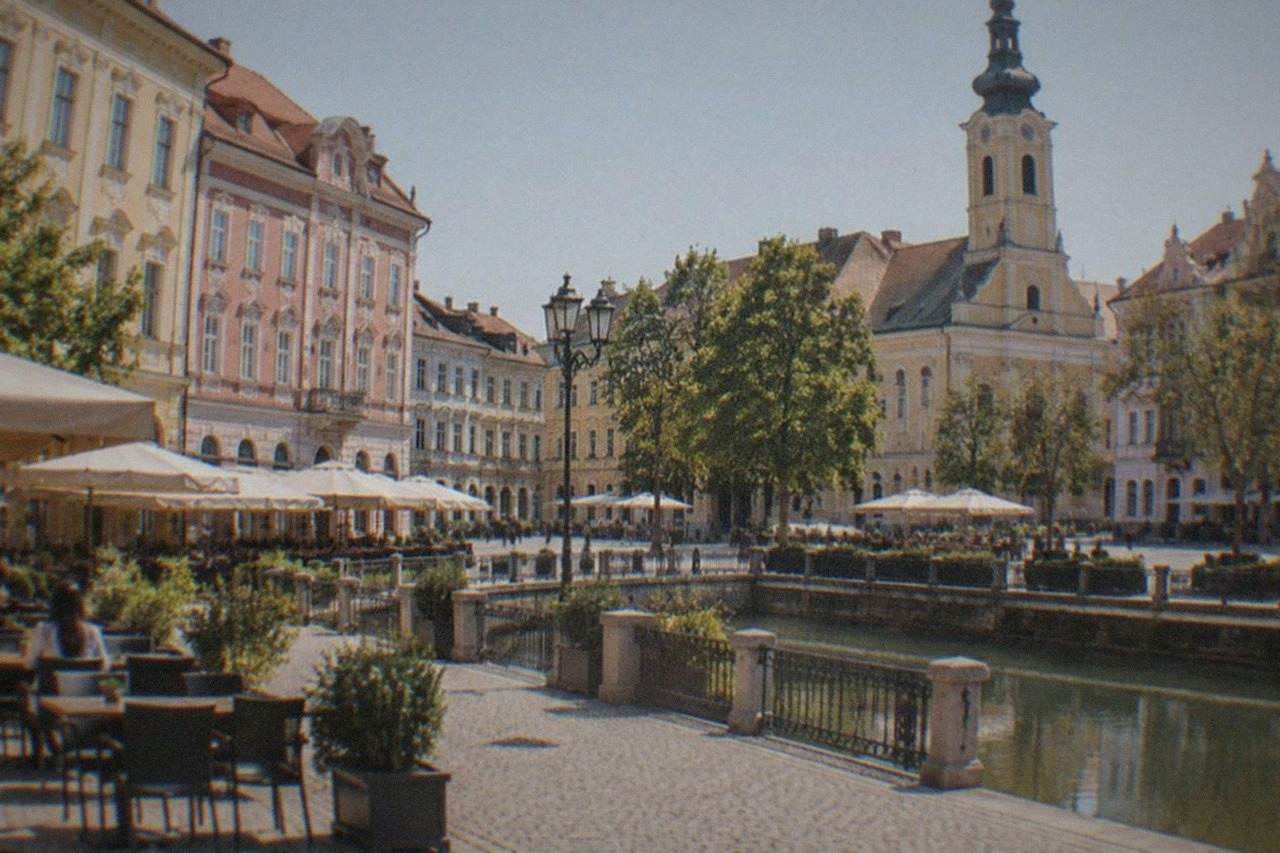
Choose Timisoara for 1989 Revolution history, Habsburg squares, an easy airport and flat, walkable streets in the Banat plain. Choose Brasov for a medieval walled old town beneath a mountain and quick access to castle country. Both are rewarding; they suit different trips.
Timisoara, in Timis County in the Banat region of western Romania, and Brasov, in the Carpathian foothills of Transylvania, are two of the cities travelers most often put on a short Romanian itinerary, and they reward completely different moods. Timisoara is a flat, square-rich Habsburg city on the Bega canal, the place where the 1989 Revolution against Ceausescu began. Brasov is a medieval walled town with a mountain rising directly behind its old center. This comparison relies on figures for Timisoara only, because that is the city this site researches in depth, and treats Brasov on qualitative character a visitor can check for themselves.
Which City Should You Choose: Timisoara Or Brasov?
Choose Timisoara if you want Revolution history, Habsburg-era squares strung along a canal, a genuinely easy arrival by air, and a flat city you can walk end to end. Choose Brasov if your priority is a dramatic medieval skyline, a cable car up a mountain, and quick access to castle-heavy Transylvania. The two cities are not substitutes: Timisoara is a Central European urban story, Brasov is a mountain-postcard one, and many visitors with a week simply take both.
The honest framing is that this is a comparison between a city this guide knows in verified detail and one it knows as a destination character. Timisoara, sometimes written Timișoara, was a European Capital of Culture in 2023 alongside Elefsina and Veszprem, and its tourism numbers have kept climbing since: the city hall's own reports, citing the national statistics office, record 283,256 arrivals in that Capital of Culture year and 285,190 in 2024. That momentum is part of why the city was named Romania's Destination of the Year 2026 at a public-vote gala in May 2026.
Brasov's appeal needs no statistics to explain. Its old center is enclosed by walls, its Black Church dominates the main square, and the Tampa ridge sits above the rooftops. What Brasov does not offer is Timisoara's specific story: the city where the protests that ended the Ceausescu regime started in December 1989, a history you can walk through in detail on the Timisoara 1989 Revolution guide and in the Memorial museum itself.
If you are still undecided, the sections below compare the two cities on arrival, cost, day trips, food and winter. For a fuller picture of the western option, the site's things to do in Timisoara page is the place to start.
What Is Timisoara Like Compared With Brasov?
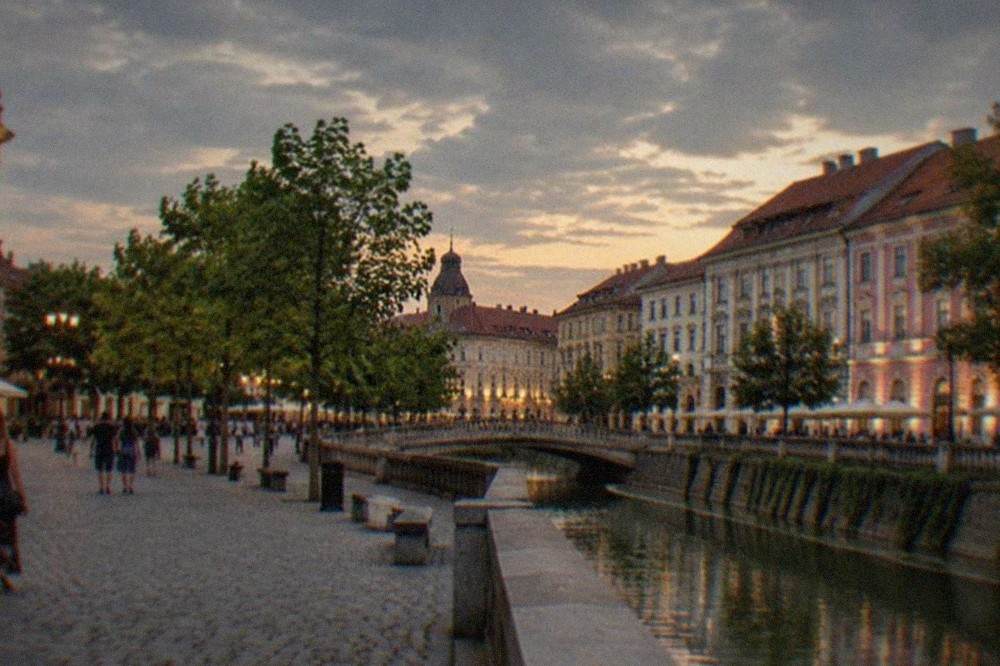
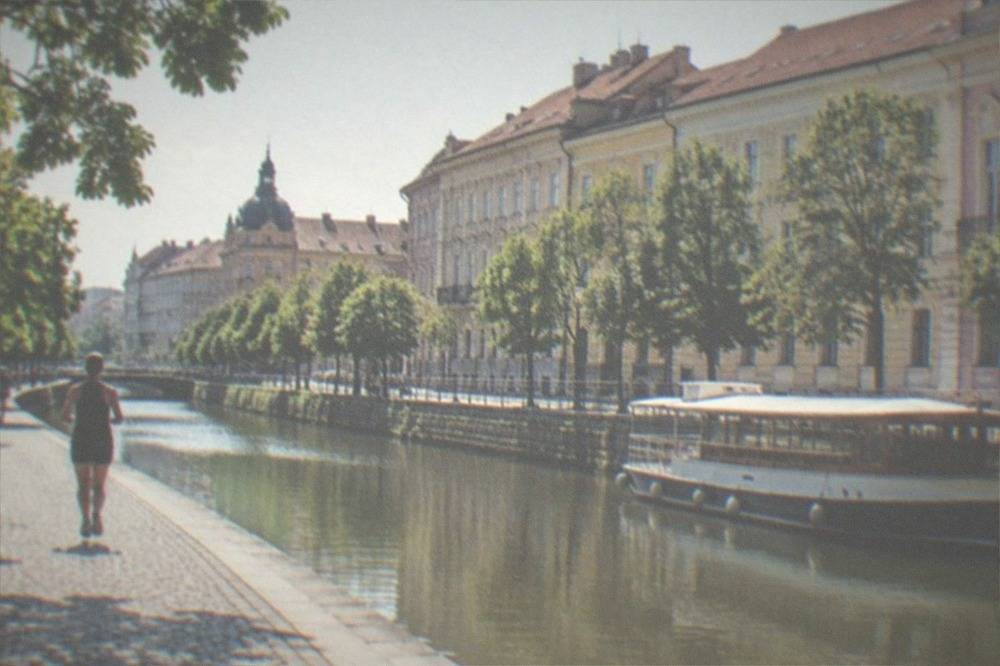
Timisoara is a flat, spacious city of linked squares, Piata Unirii, Piata Libertatii and Piata Victoriei, strung along the Bega canal, with architecture from three cultures, Romanian, Hungarian and German, and a claim no other city matches: it was the first city on mainland Europe with electric street lighting, on 12 November 1884. Brasov is compact and vertical, a walled medieval core under a forested mountain. Timisoara reads as a lived-in Central European city; Brasov reads as a preserved medieval one.
The character difference matters for how you spend your days. In Timisoara you drift: from the baroque and art-nouveau facades of the Cetate old town, across the river into the Fabric and Iosefin districts, past the Orthodox Metropolitan Cathedral and the Serbian and Roman Catholic cathedrals that share the center. The city's history as Temesvár and Temeswar, its Hungarian and German names, is visible in the buildings rather than in a museum case. The city also holds a European curiosity: since 1953 it has run three state theatres, performing in Romanian, Hungarian and German.
Brasov concentrates. Its attractions sit inside a walkable walled perimeter, and the mountain is part of the experience, reachable by cable car for a view over the red roofs. Daylight goes further in Brasov because everything is close; it goes further in Timisoara because the city keeps unfolding as you walk.
A quick side-by-side of the two cities' character, with Timisoara's entries drawn from this site's verified research:
| Aspect | Timisoara | Brasov |
|---|---|---|
| Setting | Flat plain on the Bega canal, Banat region | Walled old town beneath a mountain |
| Signature history | First mainland European city with electric street lighting, 1884; the 1989 Revolution began here | Medieval Saxon trading town, Black Church |
| Old-town feel | Linked baroque squares across three historic districts | Compact walled core, steep lanes |
| Cultural mix | Romanian, Hungarian and German theatres since 1953 | Saxon and Romanian heritage |
| Water feature | Bega canal with seasonal vaporetto boats | Mountain streams, no canal city life |
| Arrival | Traian Vuia International Airport, about 12 km from the center | Rail and road hub, served by Bucharest and other airports |
For depth on the squares themselves, see the guides to Union Square and Victory Square.
The best way to absorb Timisoara's story quickly is with a guide, and the classic walk is the most reviewed option on this site's roster.
How Do You Get To Timisoara And Brasov?
Timisoara is served by Traian Vuia International Airport, about 12 km northeast of the center, which handled a reported 1,458,098 passengers in 2025, up 10.2 percent on 2024, and connects to the city by the E4 express bus on the standard 5 lei fare. Brasov has no comparable airport of its own and is usually reached by train or road, most often via Bucharest. For most short-haul European travelers, Timisoara is the easier city to fly into directly.
The airport comparison is the clearest win for Timisoara, and it is worth noting one caveat if you are booking for November 2026: the airport announced a full runway closure for repairs from 2 to 22 November 2026, so check your dates. Outside that window, the airport's route network has been growing, with Turkish Airlines flying from Istanbul since April 2026 and Wizz Air adding Berlin, Birmingham and Prague routes in May 2026. The flights to Timisoara and Timisoara airport pages carry the detail.
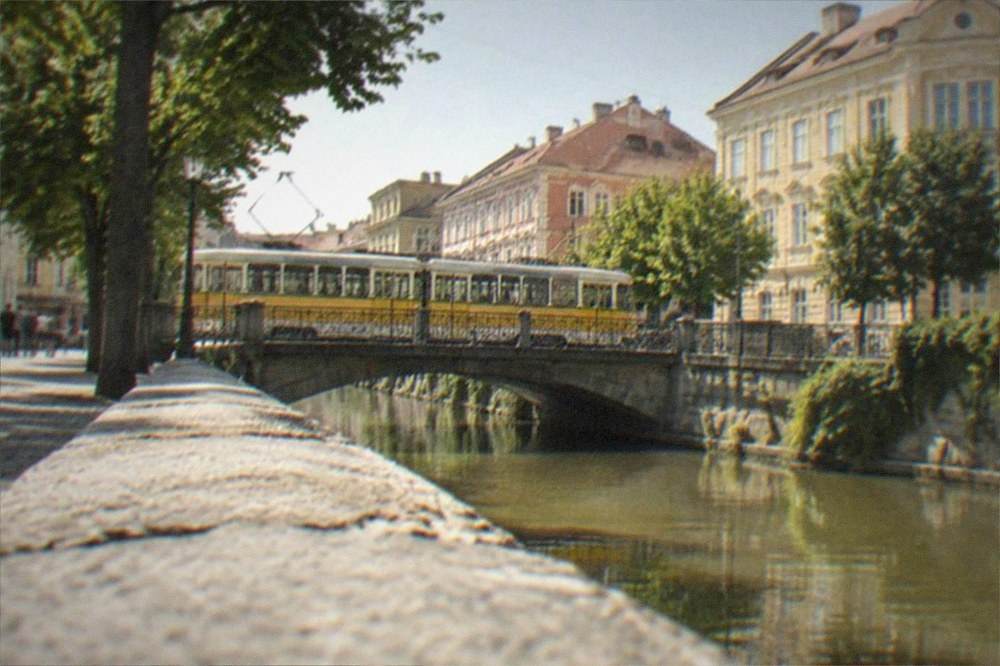
Getting from the airport into town is simple and cheap. The E4 express bus runs from the Bastion to the airport on the regular city fare, and the airport to city center guide walks through the options. Once in town, Timisoara's public transport, run by STPT, is unusually complete for a city of this size: trams, trolleybuses, buses, express lines and even a seasonal boat service on the Bega, all on one ticket.
| STPT ticket or pass | Price | What it covers |
|---|---|---|
| Single ticket, 60 minutes | 5 lei | All modes, including the Bega vaporetto |
| 1-day pass | 18 lei | All modes for 24 hours |
| 30-day general pass | 160 lei | Unlimited travel, all modes |
| Annual general pass | 1,320 lei | All modes for a year |
| Payment methods | Contactless card on board, e-wallet, SMS, mobilPay, eTicket, kiosks | No cash needed |
Brasov, by contrast, is a rail town. It sits on the main Bucharest to Transylvania corridor, which makes it a natural stop on a wider Romanian rail loop. Travelers pairing the two cities should note that Timisoara to Brasov is a long cross-country journey by either road or rail; the verified rail data on this site covers the Timisoara to Budapest corridor and the Bucharest route, and the getting around Timisoara guide covers the local network. Neither city requires a car once you arrive.
Is Timisoara Cheaper Than Brasov?
Timisoara's verified prices are low by European standards: a 60-minute transport ticket is 5 lei, a cappuccino about 13 to 15 lei, a draft beer about 11 to 12 lei, and an inexpensive restaurant meal about 45 to 50 lei. This site has verified no equivalent figures for Brasov, so no honest side-by-side price table exists here; Romanian cities outside Bucharest are all affordable, and the gap between these two is smaller than the gap between Romania and Western Europe.
The figures above are planning ranges drawn from cost-of-living sources updated in September 2026, so treat them as indications rather than guarantees and check the room or the menu. What can be stated with confidence is Timisoara's structure of costs. The tourist tax, locally called the taxa speciala pentru promovarea turistica, is set by council decision and reported at 2 percent of the accommodation tariff excluding VAT, collected by the lodging, so it appears on your hotel bill rather than at a desk. The Timisoara cost and prices page and the Romanian currency guide cover money matters in detail.
| Everyday item in Timisoara | Typical range (RON) |
|---|---|
| Cappuccino, regular area | 13 to 15 |
| Draft beer, 0.5 L, domestic | 11 to 12 |
| Inexpensive restaurant meal | 45 to 50 |
| Public transport, single | 5 |
| Public transport, day pass | 18 |
Museums are also gentle on the wallet. The Memorial of the 1989 Revolution charges adults 20 lei, which includes eight permanent and three temporary exhibitions plus a documentary screening. The National Museum of Art in the Baroque Palace on Piata Unirii keeps long summer evening hours, 13:00 to 21:00 from June to September, with entry until 20:15. The Banat Village Museum opens Wednesday to Saturday 10:00 to 18:00 and Sunday 12:00 to 20:00, closed Monday and Tuesday. The Timisoara museums guide lists more.
Which City Has Better Day Trips: Timisoara Or Brasov?
Brasov's day trips are the famous ones, Bran Castle, the Rasnov fortress and the wider Transylvanian castle circuit, and if castles are the point of your trip, Brasov wins. Timisoara's day trips are less famous but more varied: the Danube Gorge, the Nera Gorge national park, the Retezat mountains, Corvin Castle and Sibiu, and the villages of the Banat, a region of gorges, waterfalls and rural traditions that most foreign visitors have never heard of.
The honest way to frame it: Brasov is a base for Transylvania's greatest hits, while Timisoara is a base for the Banat, a region this site covers in depth on the Banat region page. The Banat's landscape is genuinely different from Transylvania's: the Danube squeezes through the Cazane gorges on the Serbian border, the Nera cuts a forested canyon with waterfalls, and the Retezat national park holds high granite peaks. The Nera Gorge and Danube Gorges guides carry the detail.
| Day trip from Timisoara | What you see | Character |
|---|---|---|
| Corvin Castle and Sibiu | Gothic castle and a Saxon old town | History and architecture |
| Danube Gorge and Banat waterfalls | River cliffs, waterfalls, forest walks | Scenery and hiking |
| Nera Gorge National Park | Canyon trails, karst springs | Quiet nature |
| Retezat National Park | High mountains and glacial lakes | Serious hiking |
| Banat villages | Rural houses, local food, traditions | Slow travel |
| Recas winery | Vineyards and tastings in Romania's west | Food and wine |
The castle-and-Sibiu combination is the most popular guided option from this site's roster, and it pairs well with a couple of days in the city itself.
If you would rather stay closer to town, the Banat countryside half-day trips and the city's food walks keep you within easy reach of your hotel, and the winery visits at Recas make an easy afternoon. The trio below gathers the three options travelers book most from this site, the classic city walk, the Corvin Castle and Sibiu excursion, and the street food tour, so you can compare them side by side before committing a day of your trip.
Is Timisoara Or Brasov Better For Food And Nightlife?
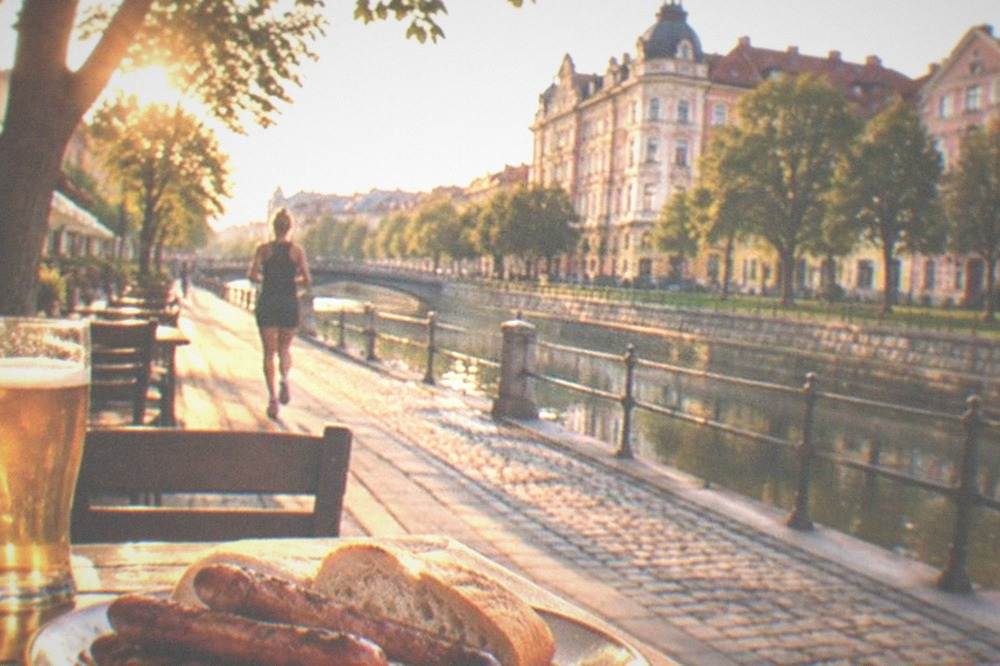
Timisoara's food identity is Banat cuisine, a distinctive mix of Romanian, Hungarian, German and Serbian influences, served in a city with a strong cafe culture, a growing craft beer scene and seasonal boats on the Bega canal. Brasov's food scene leans Transylvanian and tourist-facing, with plenty of traditional restaurants in the old center. Both eat well; Timisoara eats more like a lived-in city and less like a visitor district.
Banat cooking is the reason to eat attentively in Timisoara. The region's dishes carry Austrian, Hungarian and Serbian echoes, and the city's German and Hungarian heritage shows up on menus rather than only in architecture. The Timisoara food and Timisoara restaurants pages map the practical choices, from inexpensive meals around 45 to 50 lei to the sit-down old-town kitchens. The Timisoara cafes guide covers the coffee culture, and the craft beer scene has its own page.
The street food tour below is the fastest way to taste the range, and it is one of the better-reviewed food products on this site.
For evenings, Timisoara spreads across squares and the Bega banks, with the Opera and three state theatres anchoring the cultural calendar. The Timisoara nightlife guide has the detail. Brasov's evenings concentrate in the old square, which is pleasant in high season and quieter in the shoulder months.
Which City Is Better In Winter: Timisoara Or Brasov?
Brasov is the winter-sports city: it sits in the Carpathian foothills with skiing nearby and snow on the mountain, so for a winter-sports trip it is the clear pick. Timisoara's winters are milder and mostly snow-free at street level, with a January mean of 0.0 C, and its winter draw is the Christmas market in Piata Victoriei plus the December Revolution commemorations, which give the city's coldest months a meaning no other Romanian city shares.
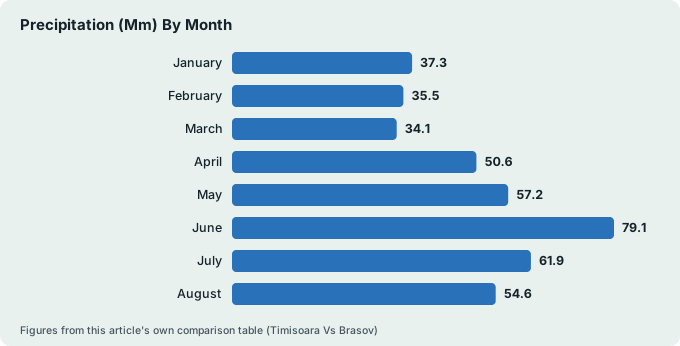
The climate data this site verified is Timisoara's alone, from the JMA and WMO normals for the city's station at 86 m altitude: a January mean of 0.0 C, a July mean of 22.8 C, and annual precipitation of 600.7 mm, wettest in June at 79.1 mm and driest in March at 34.1 mm. No equivalent verified series exists here for Brasov, and Brasov's mountain setting means its winter is a different category of experience rather than a different number on the same scale. The Timisoara weather by month and best time to visit Timisoara pages carry the full picture.
| Month | Mean temperature (C) | Precipitation (mm) |
|---|---|---|
| January | 0.0 | 37.3 |
| February | 2.1 | 35.5 |
| March | 6.5 | 34.1 |
| April | 12.3 | 50.6 |
| May | 17.3 | 57.2 |
| June | 20.9 | 79.1 |
| July | 22.8 | 61.9 |
| August | 22.5 | 54.6 |
| September | 17.2 | 50.4 |
| October | 11.5 | 50.0 |
| November | 6.4 | 45.3 |
| December | 1.5 | 44.7 |
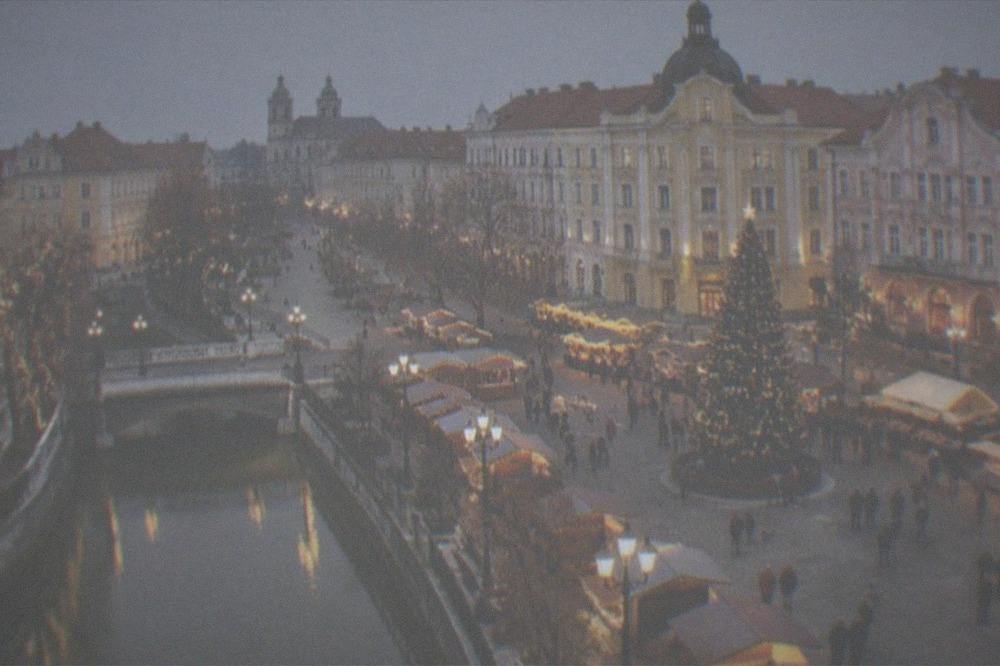
December in Timisoara has a weight that Brasov cannot offer. The Christmas market fills Piata Victoriei, and around 15 to 20 December the city marks the anniversary of the 1989 Revolution, the protests that began here and ended the Ceausescu regime. The Christmas in Timisoara and Christmas market guides cover the practical side, and the Timisoara in winter page ties it together. If your winter trip is about snow and slopes, choose Brasov; if it is about history and lights, choose Timisoara.
How Many Days Do You Need For Timisoara Or Brasov?
Two full days is the practical minimum for either city, and three is comfortable. In Timisoara, two days cover the three central squares, the cathedrals, the Bega banks and one museum, with a third day freed for a Banat excursion or a deeper dive into Fabric and Iosefin. Brasov's walled core can be seen in a day, but its day trips reward at least one extra night. Count nights, not sights, when you plan.
Timisoara's layout makes short stays efficient. The Cetate old town, the three main squares and the Metropolitan Cathedral sit within a flat walk of each other, so the first day costs no transport at all. The second day reaches Fabric, Iosefin and Elisabetin, the historic districts across and along the Bega, plus the Banat Village Museum if you are moving quickly. This site's ready-made plans, one day in Timisoara, two days in Timisoara and three days in Timisoara, break the days down hour by hour.
The city's own arrival data supports the short-stay pattern: the average visitor stay in 2025 was about 1.83 nights, which suggests most people treat Timisoara as a weekend city break. Adding a day trip stretches that to a fuller picture of the Banat, which is where the region's real scenery lives.
| Year | Tourist arrivals in Timisoara |
|---|---|
| 2021 | 153,794 |
| 2022 | 212,785 |
| 2023 | 283,256 |
| 2024 | 285,190 |
| 2025 (Jan to Nov) | 268,699 |
Brasov rewards a similar rhythm, with the difference that its headline excursions, the castle circuit above all, are the reason many people book at all. A Brasov stay without at least one excursion day is a different trip from the one many people imagine.
Can You Combine Timisoara And Brasov In One Trip?
Yes, and the combination works best west to east: fly into Timisoara, spend two or three days on the city and the Banat, then cross the country to Brasov, ideally with a stop in Transylvania on the way, and finish there or continue to Bucharest. The pairing gives you the Revolution city, the mountain city and the castle country in a single itinerary of roughly a week to ten days, and Romania's full Schengen membership since January 2025 means no border formalities on any domestic leg.
The cross-country transfer is the one planning point. Timisoara sits in the far west and Brasov in the center-south of Transylvania, so the journey between them takes most of a day by either road or rail, and it is worth breaking with a stop such as Sibiu or the Hunedoara castle corridor, which the day-trip operators from Timisoara already cover. Travelers coming from Budapest or Belgrade side will find Timisoara the natural entry point; the Timisoara to Budapest guide covers that corridor, and the Bucharest to Timisoara page the domestic one.
For a longer western loop, the western Romania in 7 days itinerary shows how much the Banat alone can fill a week. A combined Timisoara and Brasov trip, by contrast, is a greatest-hits route: two cities, two landscapes, two completely different chapters of Romanian history.
Common Questions About Timisoara Vs Brasov
Is Timisoara or Brasov better for a first trip to Romania?
Both work. Brasov is the classic first choice because it pairs a dramatic medieval old town with the famous Transylvanian castles. Timisoara suits travelers who want a lived-in city, an easier airport arrival from Western Europe, and the history of the 1989 Revolution, and it is the better base for the Banat's gorges and waterfalls.
Is Timisoara cheaper than Brasov?
This site has verified prices only for Timisoara, where a transport ticket is 5 lei, a cappuccino about 13 to 15 lei and an inexpensive meal about 45 to 50 lei. Romanian cities outside Bucharest are generally affordable, so expect similar order-of-magnitude costs in Brasov rather than a dramatic difference.
Which city is easier to reach by plane?
Timisoara. Traian Vuia International Airport sits about 12 km from the center, handled a reported 1,458,098 passengers in 2025, and gained new routes in 2026 including Istanbul, Berlin, Birmingham and Prague. Brasov is normally reached by train or road via another city's airport.
Is Timisoara or Brasov better in winter?
For snow and skiing, Brasov, which sits in the Carpathian foothills. For a city winter of lights and history, Timisoara, whose January mean is 0.0 C and whose December combines the Christmas market in Piata Victoriei with the commemorations of the 1989 Revolution.
How far apart are Timisoara and Brasov?
They are on opposite sides of the country, Timisoara in the far west of Romania in the Banat and Brasov in central Transylvania, so the transfer takes most of a day by road or rail. Most combined itineraries break the journey with a stop such as Sibiu or the Corvin Castle area.
Do they speak English in Timisoara and Brasov?
English is widely used in both cities' tourist infrastructure, restaurants and younger population. The do they speak English in Timisoara answer page covers the western city in detail, including the local Romanian, Hungarian and German layers.
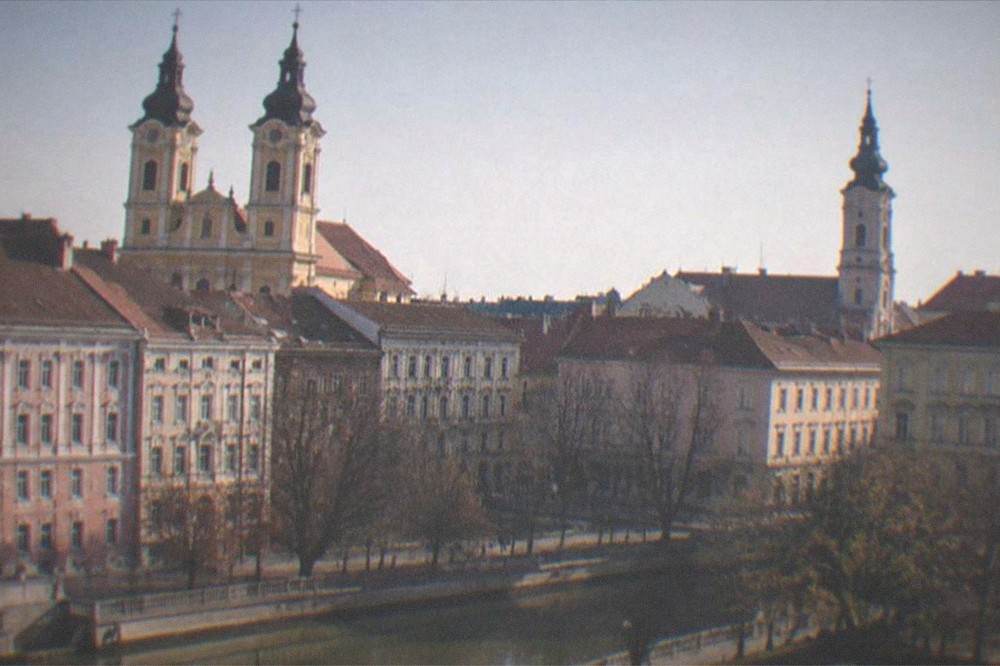
The choice, in the end, is between two cities that do not compete so much as alternate. Timisoara offers flat squares, canal banks, the story of 1989 and a region of gorges that remain quiet; Brasov offers walls, a mountain and the castles everyone has heard of. Whichever you pick first, the other makes a strong reason to come back to Romania, and the Timisoara Travel Guide is here for the western half of that plan.