Complex Studentesc Timisoara
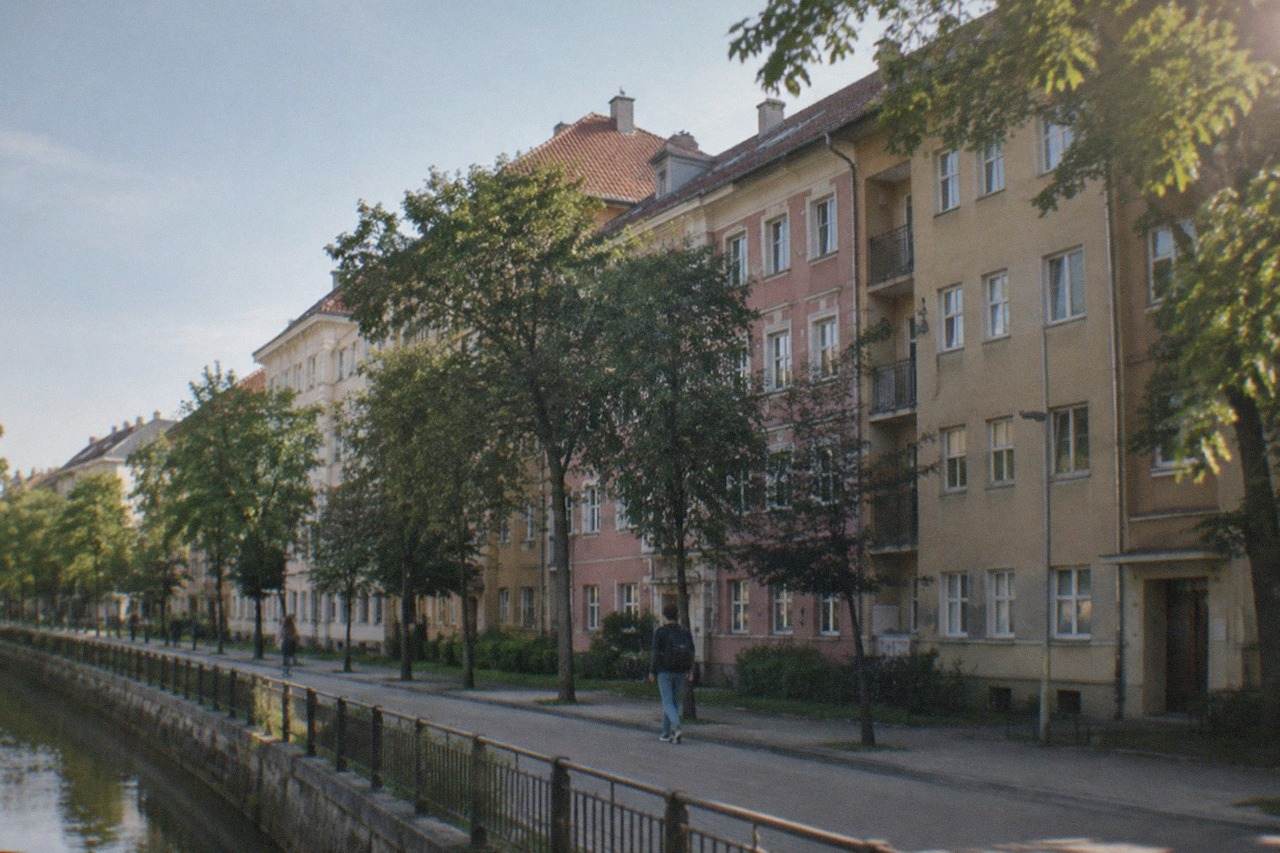
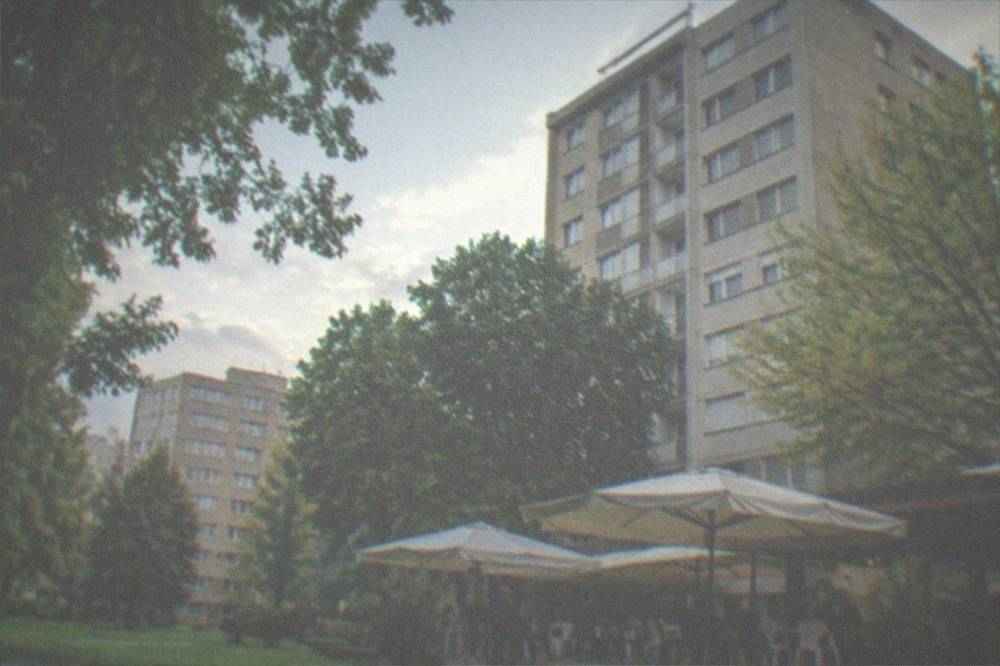
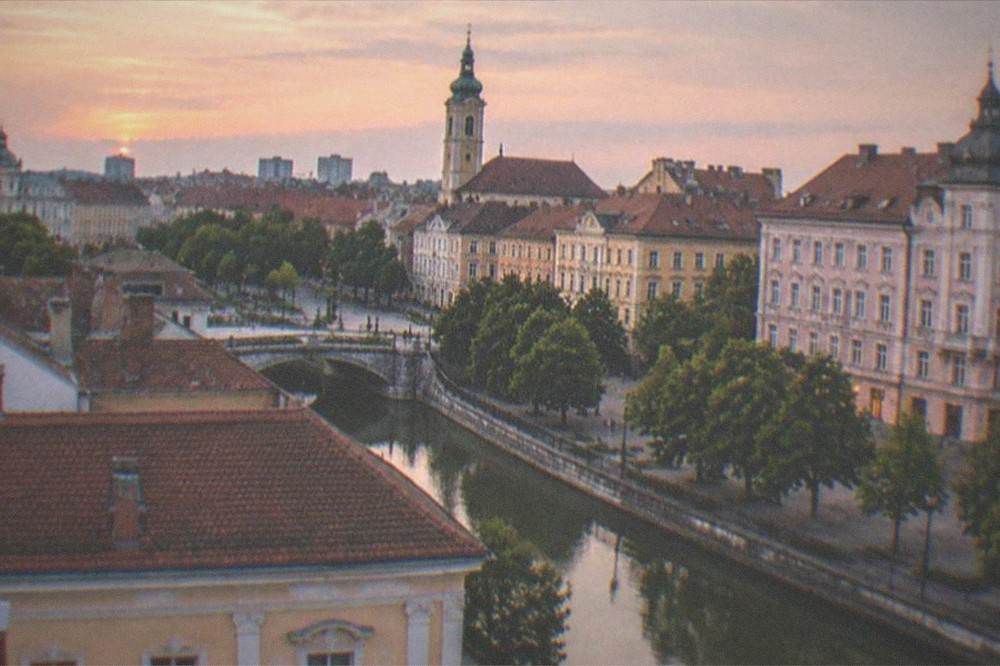
The Complex Studentesc is Timisoara's student campus district, a leafy, low-rise quarter built around the dormitories, canteens and sports grounds that serve the city's universities, a few minutes from the historic center by public transport.
Short answer
The Complex Studentesc is the student campus district of Timisoara, Romania, sitting south of the historic center. It is a residential, green, budget-friendly area best suited to travelers who want affordable accommodation and a local atmosphere within easy reach of the old town.
Timisoara, in Timis County in the Banat region of western Romania, is a university city, and nowhere shows that more plainly than the Complex Studentesc, the campus district that houses much of the student population that gives the city its young, restless energy. The quarter is unglamorous in the way good student areas always are: dormitory blocks, canteens, sports pitches, cheap eateries and a lot of trees. For a visitor, that is precisely the point. Rooms and food cost less here than in the baroque old town, the trams run straight into the center, and the atmosphere is local rather than tourist-facing. This guide, from the editorial desk at Timisoara Travel Guide, covers what the district is, what to do there, where to eat and drink, how to get around, and which guided options pair well with a stay on the city's south side.
What Is The Complex Studentesc In Timisoara?
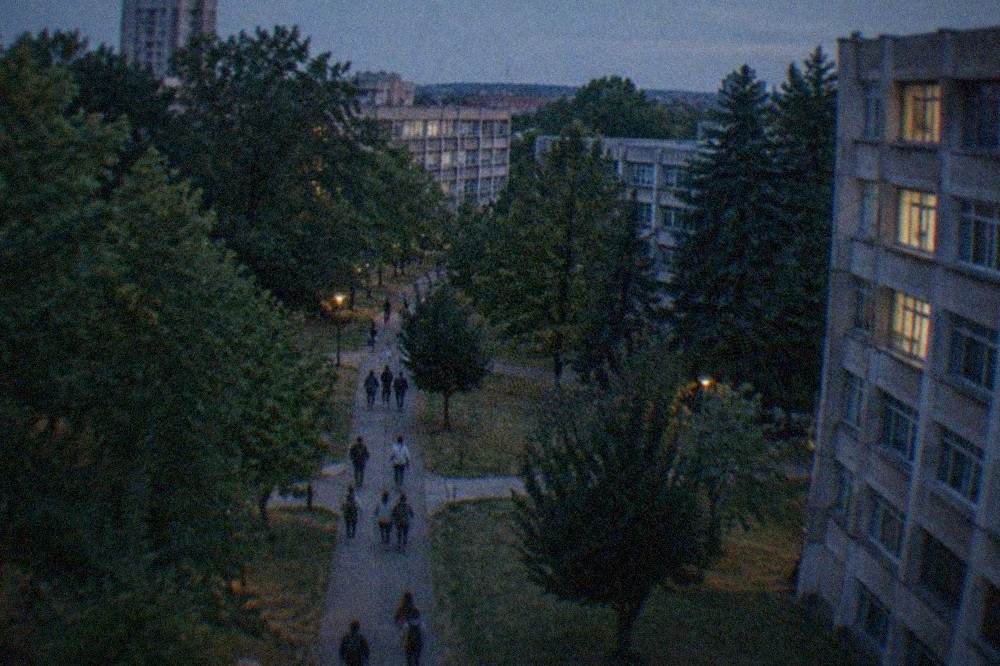
The Complex Studentesc is Timisoara's purpose-built student campus district, a cluster of dormitories, canteens, sports facilities and faculty buildings serving the city's universities, located south of the historic center. It is not a monument district or a nightlife hub: it is a working residential quarter where tens of thousands of students live during the academic year, and its appeal for visitors is affordable accommodation, greenery and a genuinely local daily life a short tram ride from the old town.
Timisoara, written Timișoara in Romanian, has been a university town for generations, and under its Hungarian name, Temesvár, it was already an administrative and educational center in the Habsburg era. The student campus as it exists today grew out of the postwar expansion of higher education, when the state built standardized accommodation blocks to house a rapidly growing student body. The architecture of the quarter reflects that era: practical mid-rise blocks, wide paths between them, and generous planting that has matured into some of the pleasantest tree cover in the city.
The district's character changes with the academic calendar. From October to June it hums: canteens at lunchtime, sports grounds in the evening, bicycles everywhere. In July and September it quiets down, and in August it can feel almost deserted. That rhythm matters for anyone booking a room here, because the supply of short-stay accommodation in and around the campus is closely tied to student demand.
What the quarter is not is a substitute for the old town. The baroque squares of Cetate, the historic core, remain the city's headline attraction, and the honest framing is this: the Complex Studentesc is a base, a place to sleep cheaply and eat well, with the sights a short ride away.
Where Is The Complex Studentesc Relative To Timisoara's Old Town?
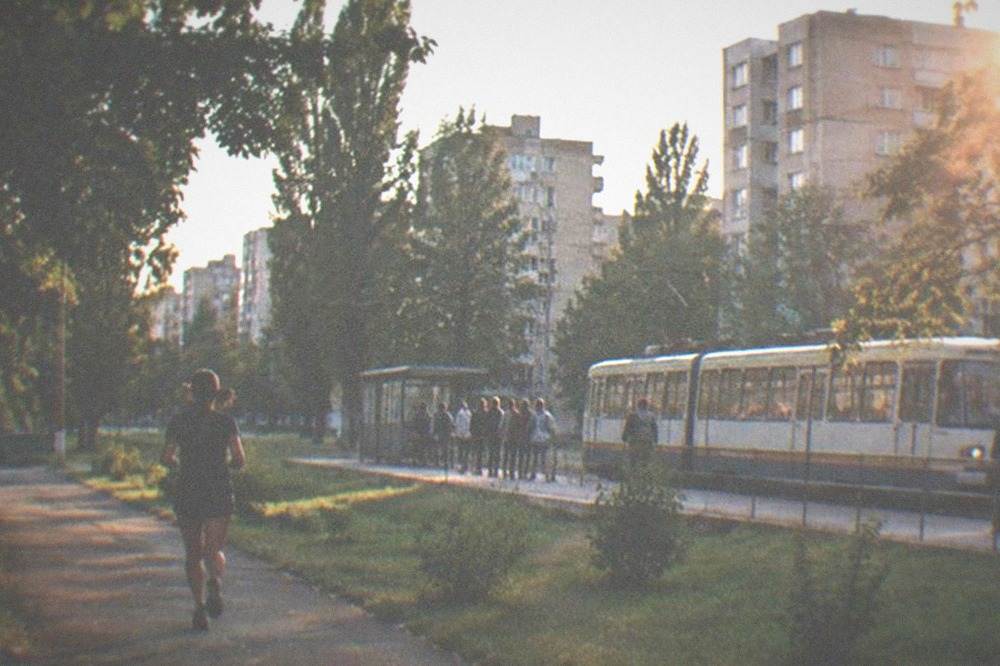
The Complex Studentesc sits south of Timisoara's historic districts, beyond Elisabetin, roughly on the axis that runs from the Cetate old town through the southern neighborhoods toward the city's newer residential extensions. Public transport links it to the center directly: the STPT network's trams and buses serve the campus area, and a single 60-minute ticket, which costs 5 lei and covers all modes including the Bega vaporetto, covers the trip. There is no need for a taxi unless you are carrying luggage late at night.
The city's layout makes orientation simple. The historic core, Cetate, holds the main squares, and the ring of districts around it, Elisabetin, Iosefin and Fabric, gives way to the later expansions further out. The student campus belongs to that outer ring, which means the walk into the center passes through some of the city's most attractive residential streets, especially through Elisabetin with its villas and quiet squares.
For planning purposes, treat the district as a transport decision rather than a walking one. The trams run frequently and late, the fare system is flat across the network, and the day pass at 18 lei is the better buy once you make more than three or four trips. Contactless bank cards work on board, so there is no need to hunt for a kiosk first.
What Should You Actually Do In The Complex Studentesc Area?
The honest answer is that the Complex Studentesc's attractions are everyday ones: eat a cheap lunch in a student canteen or the restaurants around the campus, use the sports grounds and pools, walk the tree-lined streets, and use the district as a springboard for the rest of Timisoara. There is no single landmark here, and travelers who want a checklist of monuments should stay in the old town instead. What the quarter offers is atmosphere, price and convenience.
That said, the campus location has real advantages for certain kinds of visits. Sports travelers, families visiting students, and anyone in town for a conference or university event will find the district the obvious place to stay. The greenery is genuinely good, the streets are safe to walk at night by the standards of any mid-sized European city, and the food scene, while simple, is where locals actually eat.
The rest of the city is where the sightseeing happens. The classic route runs from Union Square through Victory Square, past the Metropolitan Orthodox Cathedral and the Memorial Museum of the Revolution, and along the Bega Canal. A first visit fits comfortably into the plans in our one day in Timisoara itinerary, and the campus makes a sensible, cheaper base for the same route.
For a deeper angle on the city, guided walks earn their keep. The communist-era story of Timisoara is the one that connects most directly to the campus quarter, since the student body of 1989 was at the center of the events that ended the regime, and a themed walk puts that history in order.
That walk is the natural pairing for a campus stay: it covers the squares where the Revolution played out and the everyday architecture of the period the dormitories themselves were built in. If the theme appeals, the box below goes straight to the operator's live listing.
Where Do Students And Visitors Eat Around The Complex Studentesc?
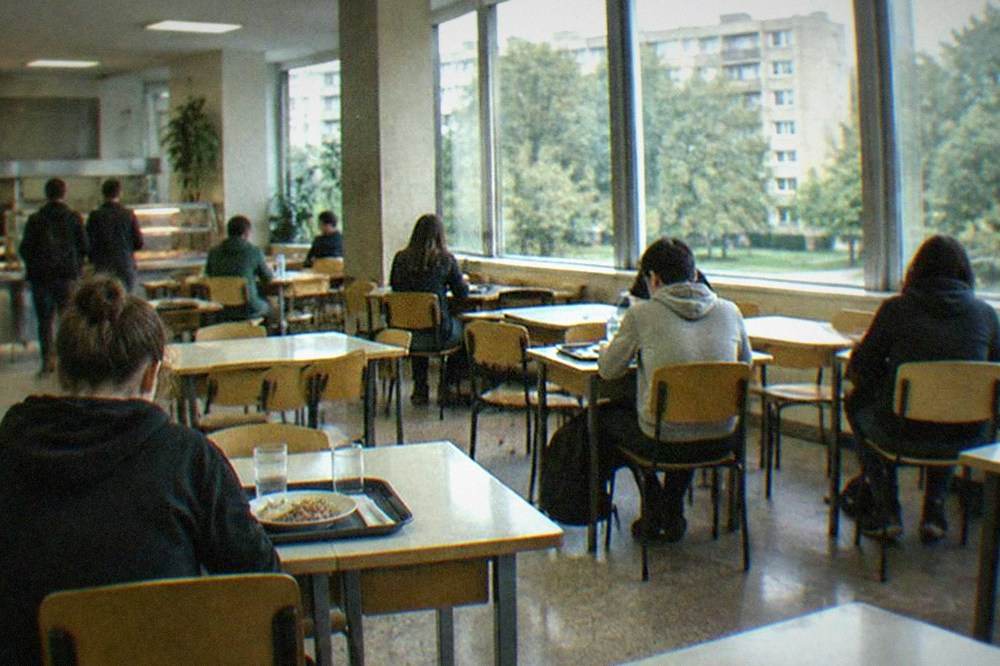
Eating around the Complex Studentesc means canteens, cheap grill houses, pizza by the slice, and the cafes that cluster around campus life, with prices set by a student budget rather than a tourist one. A cappuccino in Timisoara runs about 13 to 15 lei, a draught beer about 11 to 12 lei, and an inexpensive restaurant meal about 45 to 50 lei, according to cost-of-living trackers updated in September 2026. The old town's finer dining is a short tram ride away.
The price gap between the campus area and the old town is the district's best argument. Around the universities you eat where students eat, which means generous portions, unadorned rooms and menus in Romanian only. Pointing at what the person ahead of you is having is a fully accepted ordering technique. Vegetarian options exist but are usually the afterthought they are in most Romanian student kitchens: soup, polenta, beans, salad.
For the city's broader food culture, from Banat sausages to the paprikash that reflects the region's mixed Hungarian, Serbian, German and Romanian heritage, read our dedicated Timisoara food guide, and for the cafe scene, which the students keep honest, the city center's roasteries and terraces are a short ride away.
| Item | Typical price in Timisoara (RON) | Notes |
|---|---|---|
| Cappuccino, regular | 13 to 15 | Cost-of-living trackers, September 2026 |
| Draught beer, 0.5 L domestic | 11 to 12 | Neighborhood pub pricing |
| Inexpensive restaurant meal | 45 to 50 | Main dish, no drinks |
| Fast-food combo meal | about 32 | Business-district lunchtime benchmark |
| Single transit ticket, 60 min | 5 | All modes, vaporetto included |
| Day transit pass | 18 | Better value from four trips |
Is The Complex Studentesc A Good Place To Stay In Timisoara?
The Complex Studentesc suits budget travelers, families visiting students, and repeat visitors who already know the old town, because accommodation runs cheaper than the historic center while the tram connection keeps the sights within easy reach. It suits short-stay, no-frills trips best. It is a poor choice for a first-time visitor who wants to step out of the hotel onto a baroque square, and for anyone prioritizing atmosphere over price, the old town or Elisabetin win.
The trade-off is straightforward. What you give up is walkability to the main squares and the concentration of restaurants and bars that makes Cetate and Elisabetin the default visitor choices. What you gain is price, quiet at night, and a neighborhood feel. Our full breakdown of the city's districts is in where to stay in Timisoara, which covers the hotel and hostel options district by district.
One budget note that applies wherever you sleep: Timisoara levies a tourist promotion tax on accommodation, set by local council decision HCL 719/2025 for 2026 and collected by the lodging, and reported at a rate of 2 percent of the tariff excluding VAT. Expect it as a small line on your hotel bill rather than a surprise at check-out.
| Timisoara district | Character | Best for |
|---|---|---|
| Cetate old town | Baroque squares, museums, most restaurants | First-time visitors, short stays |
| Elisabetin | Villas, cafes, quiet streets | Couples, cafe culture |
| Iosefin | Historic quarter near the Bega, local pace | Longer, relaxed stays |
| Fabric | Industrial heritage, synagogues, emerging scene | Repeat visitors, architecture fans |
| Complex Studentesc | Dorms, canteens, greenery, student prices | Budget stays, family visits |
How Do You Get From The Complex Studentesc To Timisoara's Center?
The STPT network connects the Complex Studentesc to central Timisoara with trams and buses, and the fare system is flat: 5 lei buys a 60-minute ticket valid on all modes including the Bega vaporetto, 18 lei buys a day pass, and a 30-day general pass costs 160 lei. Contactless bank cards are accepted on board, and real-time arrivals are published at the operator's live site. The trip to the center needs a single ticket in each direction.
The practical details matter more here than the route numbers, which change with the works that periodically reshape the network. Tram diversions are a fact of life in Timisoara in 2026, with lines around Trajan Square affected by regeneration works through the end of the year, so check the live service information rather than trusting a schedule printed weeks earlier. Payment is the easy part: tap a bank card on board, or use the e-wallet, SMS or kiosk options.
Coming from the airport, the express line E4 runs between the Bastion and the airport, and connecting to the campus area means a change in the center. Our getting around Timisoara guide explains the whole ticketing system, including the airport transfer, in detail.
| STPT ticket | Price | Validity |
|---|---|---|
| Single ticket | 5 lei | 60 minutes, all modes incl. vaporetto |
| Day pass | 18 lei | One calendar day, all modes |
| 30-day general pass | 160 lei | All modes, one month |
| Annual general pass | 1,320 lei | All modes, one year |
When Is The Best Time To Visit The Complex Studentesc And Timisoara?
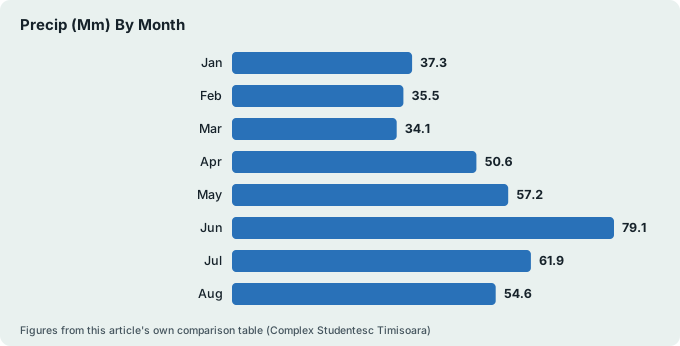
The best months to visit Timisoara are May, June and September, when the JMA climate normals for the city's station show means of 17.3, 20.9 and 17.2 degrees Celsius and moderate rainfall, and when the campus quarter is lively but not at peak academic crush. July and August are the warmest, at 22.8 and 22.5 degrees mean, but the student district empties for the summer. Winter is cold, with a January mean of 0.0 degrees, and the Christmas Market is the season's draw.
The campus angle sharpens that advice. Visit in term time if you want the district at its liveliest, and in the summer break if you want the cheapest rooms and the quietest streets. June is the wettest month at 79.1 mm of rain, and March the driest at 34.1 mm, but the differences are modest enough that rain gear matters more than the calendar. The full month-by-month picture, including what each season does to the city's festival calendar, is in our best time to visit Timisoara guide.
| Month | Mean temp (C) | Precip (mm) | Campus character |
|---|---|---|---|
| Jan | 0.0 | 37.3 | Exam season, quiet, cold |
| Feb | 2.1 | 35.5 | Second semester begins |
| Mar | 6.5 | 34.1 | Spring, driest month |
| Apr | 12.3 | 50.6 | Vaporetto season opens |
| May | 17.3 | 57.2 | Peak pleasant, busy |
| Jun | 20.9 | 79.1 | Wettest month, exam wind-down |
| Jul | 22.8 | 61.9 | Warmest, campus empties |
| Aug | 22.5 | 54.6 | Quietest, cheapest rooms |
| Sep | 17.2 | 50.4 | Return of students, jazz festival |
| Oct | 11.5 | 50.0 | Golden autumn, vaporetto closes |
| Nov | 6.4 | 45.3 | Gray, Christmas prep begins |
| Dec | 1.5 | 44.7 | Christmas Market in Victory Square |
Which Day Trips Work Well From A Complex Studentesc Base?
The strongest day trips from Timisoara head into the Banat and Transylvania: the Nera Gorge national park and the Danube Gorges for river and forest scenery, Corvin Castle at Hunedoara for gothic architecture, and the spa town of Baile Herculane for thermal baths. Serbia is also close, with Novi Sad and Belgrade practical cross-border excursions, though the Serbian border remains an external Schengen frontier with passport control.
The geography favors the campus base for these trips: the district sits toward the southern exits that lead toward the Banat mountain country, so an early departure means less time crossing the city. Romania is a full Schengen member, with air and sea borders open since 31 March 2024 and land borders since 1 January 2025, so the Hungarian border carries no routine checks; the Serbian crossing, though, is an external frontier where the EES entry-exit system, fully operational since April 2026, records biometrics for non-EU short-stay travelers.
Two organized options stand out for travelers staying on the south side. The salt mine and castle combination is the long-haul classic, a full day that pairs one of Romania's most spectacular underground spaces with its most photographed castle.
For travelers whose interest runs to heritage rather than scenery, the city's Jewish history tour covers synagogues and stories across several districts, including the restored Cetate Synagogue, and it fits an afternoon slot between campus days.
How Does The Complex Studentesc Fit Timisoara's Wider Story?
The Complex Studentesc belongs to Timisoara's postwar and communist-era chapters, the decades that turned a Habsburg provincial capital into an industrial and educational powerhouse, and that story feeds directly into 1989, when the uprising against the regime began in this city and students were among its driving forces. Understanding the district means understanding that layer of the city's history, which sits beneath the baroque squares and the European Capital of Culture year of 2023.
The city's record of firsts, documented by the city hall itself, gives the background: the first mainland European city with electric street lighting in 1884, the first horse-drawn tram in the Habsburg Empire in 1869, the first asphalted street in Romania in 1895, and the first electric tram in the country in 1899. The student population grew with the industrial city, and the campus blocks were the state's answer to housing it.
In December 1989 the sequence of events that ended the Ceausescu regime began here, and the commemoration each December around the 15th keeps that memory present in the squares. Our Timisoara 1989 Revolution guide tells that story in full, and the Memorial Museum of the Revolution is the place to see it documented, with an adult ticket of 20 lei covering the permanent and temporary exhibitions plus the documentary screening.
| Timisoara first | Year | Documented by |
|---|---|---|
| Horse-drawn tram in the Habsburg Empire | 1869 | City hall premiere list |
| Electric street lighting, mainland Europe | 1884 | City hall premiere list |
| First telegraph service in Romania | 1854 | City hall premiere list |
| First asphalted street in Romania | 1895 | City hall premiere list |
| First electric tram in Romania | 1899 | City hall premiere list |
| Three state theatres, three languages | 1953 | City hall premiere list |
For a fuller look at how the whole city hangs together, from the campus in the south to the squares in the center, see our master page on things to do in Timisoara, and for a second-day plan that leaves time for a campus-area lunch, the two days in Timisoara itinerary is the natural next read.
Common Questions About The Complex Studentesc In Timisoara
Is the Complex Studentesc in Timisoara safe for visitors?
The district is a routine residential student area, and the standard advice for any mid-sized European city applies: normal care with valuables, lit streets at night, and the European emergency number 112 if you ever need it. There is no specific safety warning attached to the campus quarter.
How far is the Complex Studentesc from Timisoara's Old Town?
The campus sits south of the historic districts, and the connection is by tram or bus on the flat STPT network. A single 60-minute ticket at 5 lei covers the ride, and the day pass at 18 lei is better value for a day of back-and-forth sightseeing.
Is the Complex Studentesc cheap to stay in?
Yes, that is its main advantage. Prices around the campus follow student budgets rather than tourist ones: a cappuccino at 13 to 15 lei, a draught beer at 11 to 12 lei, and an inexpensive restaurant meal at 45 to 50 lei, per September 2026 cost-of-living data.
Do students in Timisoara speak English?
English is widely spoken among university students and younger residents generally, so the campus district is one of the easiest parts of the city for an English-only visitor. Menus in student eateries may be Romanian-only, but help is always close at hand.
What is the best time of year to visit the Complex Studentesc?
May, June and September combine the best weather, with mean temperatures of 17.3, 20.9 and 17.2 degrees Celsius, with a lively campus. August is cheapest but quietest; December is cold at a 1.5 degree mean but brings the Christmas Market to Victory Square.
Can you reach the Complex Studentesc from Timisoara airport by public transport?
Yes, with a change. The express line E4 links the airport with the Bastion stop in the city, and from the center the tram and bus network reaches the campus area on the same flat ticketing, with contactless card payment accepted on board.