Timisoara Churches
Timisoara, in the Banat region of western Romania, packs Catholic, Orthodox, Serbian Orthodox, Reformed and Jewish sacred buildings into a walkable core, a legacy of centuries as Temesvár and Temeswar, a multi-faith Habsburg border city.
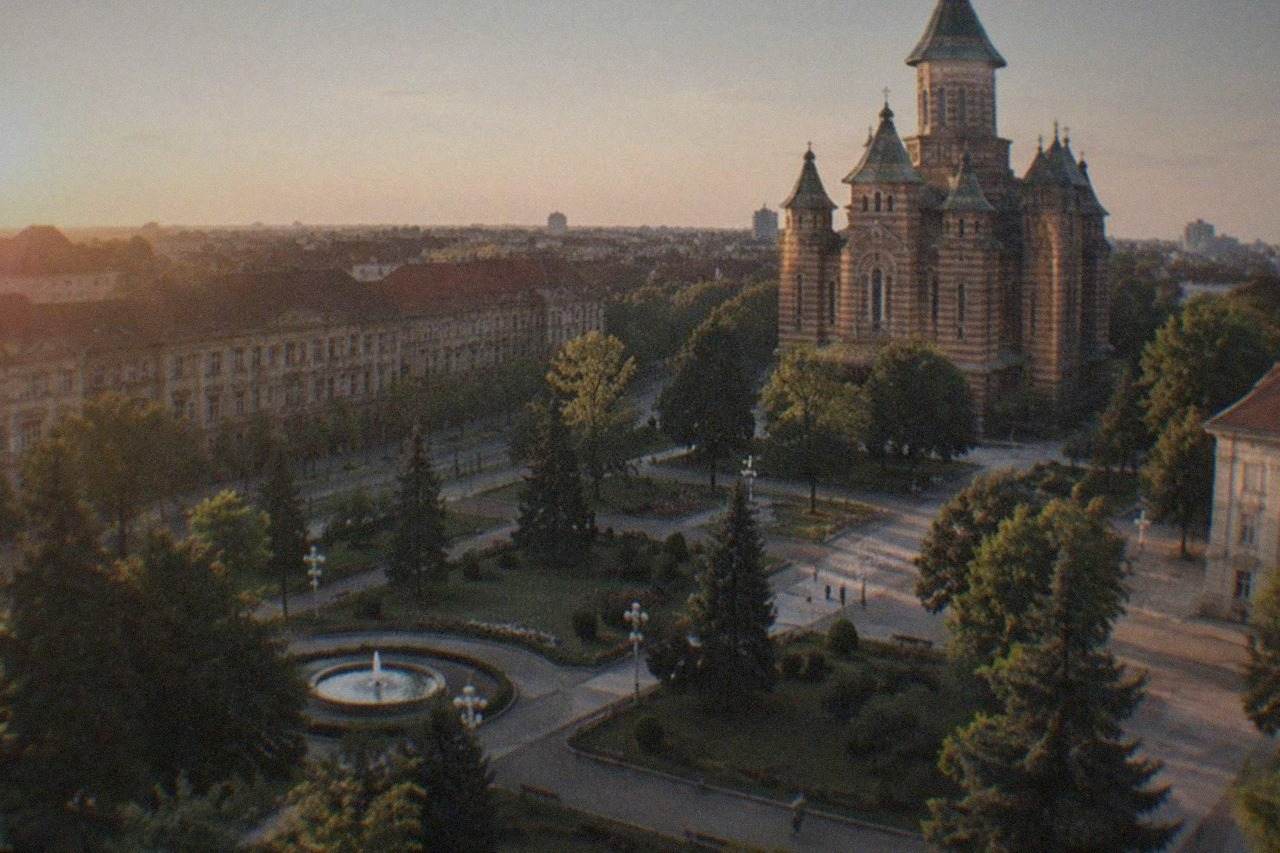
Short answer
Timisoara's main churches are the Orthodox Metropolitan Cathedral, St George's Roman Catholic Cathedral and the Serbian Orthodox Cathedral around Piata Unirii, plus the Millennium Church in Fabric and two historic synagogues, all reachable on foot or by a 5 lei tram ticket.
Timisoara, in Timis County in the Banat region of western Romania, holds one of the most varied collections of sacred architecture in the country, and almost all of it stands within walking distance of Piata Unirii. The city that history knew as Temesvár under Hungarian administration and Temeswar under the Habsburgs grew up as a border fortress where Catholic, Orthodox, Lutheran, Reformed and Jewish communities all built their own places of worship, sometimes on facing corners of the same square. That layered past is still visible: today a visitor can stand in Piata Unirii and see a Roman Catholic cathedral, a Serbian Orthodox cathedral and a baroque plague monument within a single camera frame, then walk twenty minutes to a Neo-Romanian Orthodox cathedral and a working synagogue. This guide from Timisoara Travel Guide walks through every major church in the city, explains who built what and when, and shows how to move between them on the city's trams and buses.
How Many Major Churches Can You Visit In Timisoara?
Timisoara has seven major sacred buildings worth a dedicated visit: the Orthodox Metropolitan Cathedral, St George's Roman Catholic Cathedral, the Serbian Orthodox Cathedral, the Millennium Church in Fabric, the Cetate Synagogue, the Fabric Synagogue, and the Roman Catholic church of the Name of Jesus in Iosefin. Six of the seven stand in or within a twenty-minute walk of the historic Cetate district, so a single well-planned morning covers most of them. The city is compact, flat and served by trams, so church-hopping here is genuinely easy.
The number surprises first-time visitors who expect a single dominant cathedral. Timisoara's religious geography is a direct product of its population history: the 1718 settlement charter era brought Catholic German and Hungarian colonists, Orthodox Romanian and Serbian communities already lived in the surrounding villages, and a Jewish community received civic rights in the nineteenth century. Each group built, and each building survives. The result is a city where the "cathedral" question has three different answers depending on which communion you ask.
This table lists the seven buildings in the order most walkers encounter them:
| Church | Denomination | District | Nearest landmark |
|---|---|---|---|
| Orthodox Metropolitan Cathedral | Romanian Orthodox | Cetate south edge | Piata Victoriei |
| St George's Cathedral | Roman Catholic | Cetate | Piata Unirii |
| Serbian Orthodox Cathedral | Serbian Orthodox | Cetate | Piata Unirii |
| Cetate Synagogue | Jewish (Moorish Revival) | Cetate | Piata Unirii |
| Millennium Church | Roman Catholic | Fabric | Piata Traian |
| Fabric Synagogue | Jewish (historic) | Fabric | Piata Traian |
| Church of the Name of Jesus | Roman Catholic | Iosefin | Bega canal |
If you only have one day, the one-day Timisoara itinerary sequences these stops efficiently, pairing the Unirii square cluster with a Fabric loop across the river. Families should not be put off either: the route is stroller-friendly along the Bega promenade, and the Timisoara with kids guide suggests child-friendly breaks between the serious architecture. Visitors with more time can stretch the same walk across a weekend in Timisoara without repeating a single facade.
Why Does Piata Unirii In Timisoara Have Two Cathedrals?
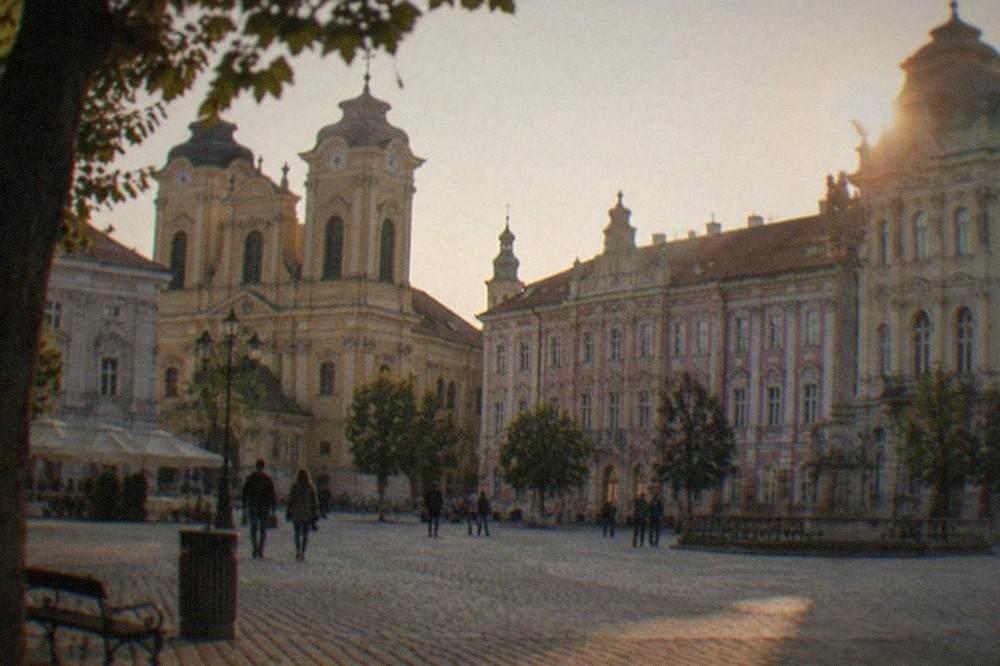
Piata Unirii holds two cathedrals because Timisoara's eighteenth-century Habsburg administration settled Catholic colonists and recognized the existing Serbian Orthodox community in the same fortified town, and both built their principal churches on the same square. St George's Roman Catholic Cathedral anchors the square's baroque core, while the Serbian Orthodox Cathedral stands at the square's eastern side, and a visitor can walk between their front doors in under two minutes.
It is one of the few squares in Europe where two cathedrals of different rites face each other across a baroque public space. The Catholic diocese dates to the Habsburg reorganization of the city, and the Serbian community, granted its own parish under the settlement privileges, raised its cathedral with its distinctive tower and iconostasis. The square itself, described in detail in the Union Square guide, is the best-preserved baroque ensemble in Romania and the natural starting point for any church itinerary.
A short walk south from the square brings you to the third great house of worship, the Cetate Synagogue, whose Moorish Revival brickwork is unlike anything else in the city. Its restoration was described in December 2025 reporting as almost complete, with the last interior works underway, and it has reopened for public events such as the Hanukkah candle lighting. The building's fortunes and the community's story are covered in the Cetate Synagogue guide.
The square's layered history rewards a guide, and the Classic Tour of Timisoara is the most-reviewed option for exactly this route:
What Architectural Styles Will You See In Timisoara's Churches?
Timisoara's churches span five distinct styles: Austrian and Hungarian baroque in the Cetate district's Catholic and Serbian buildings, Moorish Revival brickwork at the Cetate Synagogue, Neo-Gothic at the Millennium Church in Fabric, Neo-Romanian Byzantine-inspired massing at the Orthodox Metropolitan Cathedral, and historicist eclecticism at the Fabric Synagogue and the Iosefin parish church. Reading the styles is the fastest way to read the city's history, because each building marks a specific wave of the city's growth beyond the fortress walls.
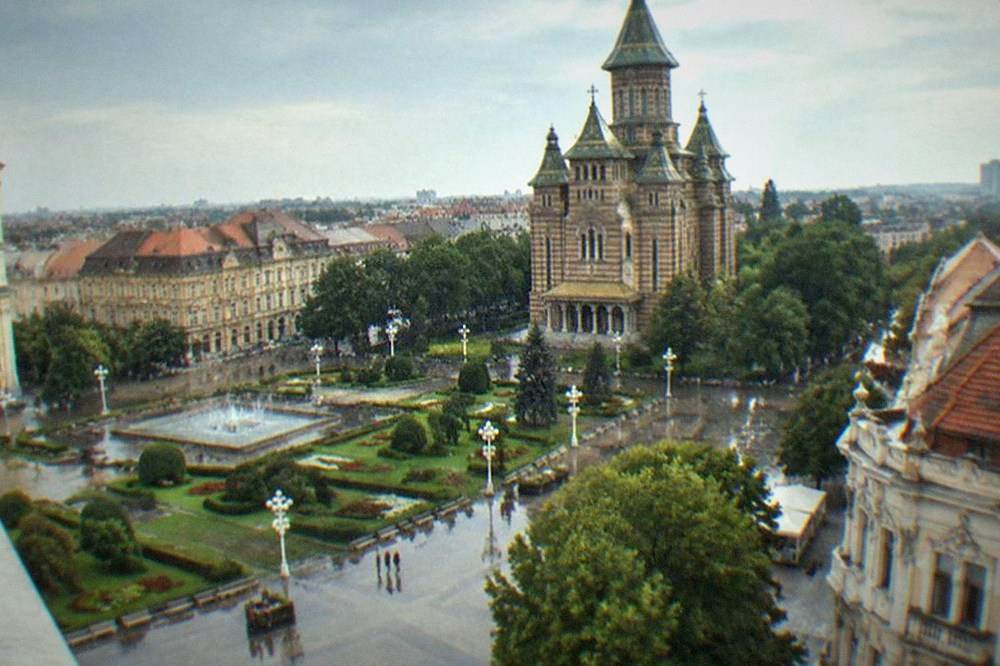
The Metropolitan Cathedral is the youngest of the great churches and the most photographed. Its Neo-Romanian design draws on Byzantine and Wallachian forms, with a tall tower over the crossing, and it sits at the southern end of Piata Victoriei, the square where the 1989 Revolution played out in front of the Opera. The Victory Square guide covers that history in full, and the 1989 Revolution guide traces the churches' own role in those December days.
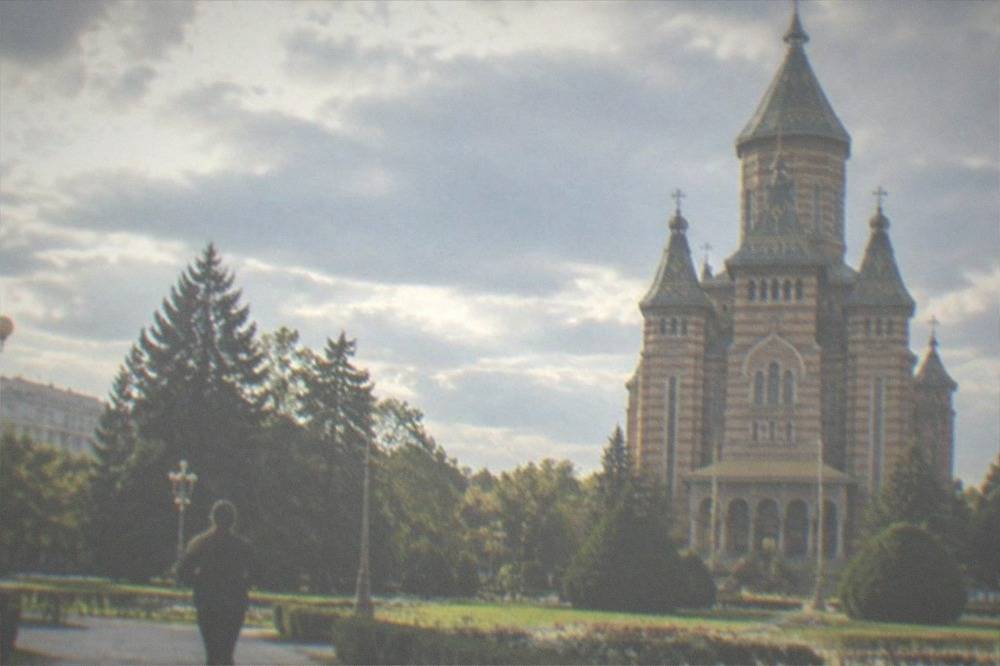
This table pairs each style with where to see it:
| Style | Best example | District | Era it represents |
|---|---|---|---|
| Austrian baroque | St George's Cathedral | Cetate | Eighteenth-century Habsburg colonization |
| Baroque with Serbian detailing | Serbian Orthodox Cathedral | Cetate | Recognized Serbian parish privileges |
| Neo-Romanian / Byzantine | Metropolitan Orthodox Cathedral | Cetate south | Interwar Romanian consolidation |
| Neo-Gothic | Millennium Church | Fabric | Late-nineteenth-century industrial growth |
| Moorish Revival | Cetate Synagogue | Cetate | Emancipated Jewish community of the nineteenth century |
| Historicist eclectic | Fabric Synagogue | Fabric | Built 1897 to 1899, late-nineteenth-century expansion |
For visitors who want the denominational story told properly, the Ecumenical Tour of Timisoara exists precisely for this itinerary, and the operator's live listing carries current times and availability:
Where To Find The Millennium Church And The Fabric Synagogue In Timisoara?
The Millennium Church and the Fabric Synagogue both stand in the Fabric district, the working-class neighborhood east of the Bega canal founded in 1744 and built up around Timisoara's factories from the 18th century onward, and both cluster near Piata Traian, which is the district's central square. The Millennium Church is Fabric's monumental Neo-Gothic Catholic parish church, while the Fabric Synagogue sits a few blocks away and is one of the city's two historic synagogue buildings. Both are reachable by tram from Cetate in under fifteen minutes.
Fabric rewards the walk across the river as much as the destinations themselves. The district's secession-era facades, its market life around Piata Traian and its mix of Romanian, Hungarian, German and Serbian street names tell the same multi-confessional story as the churches themselves. The Fabric guide covers the neighborhood's architecture and food stops, and the Millennium Church guide and Fabric Synagogue guide go deeper on the two buildings.
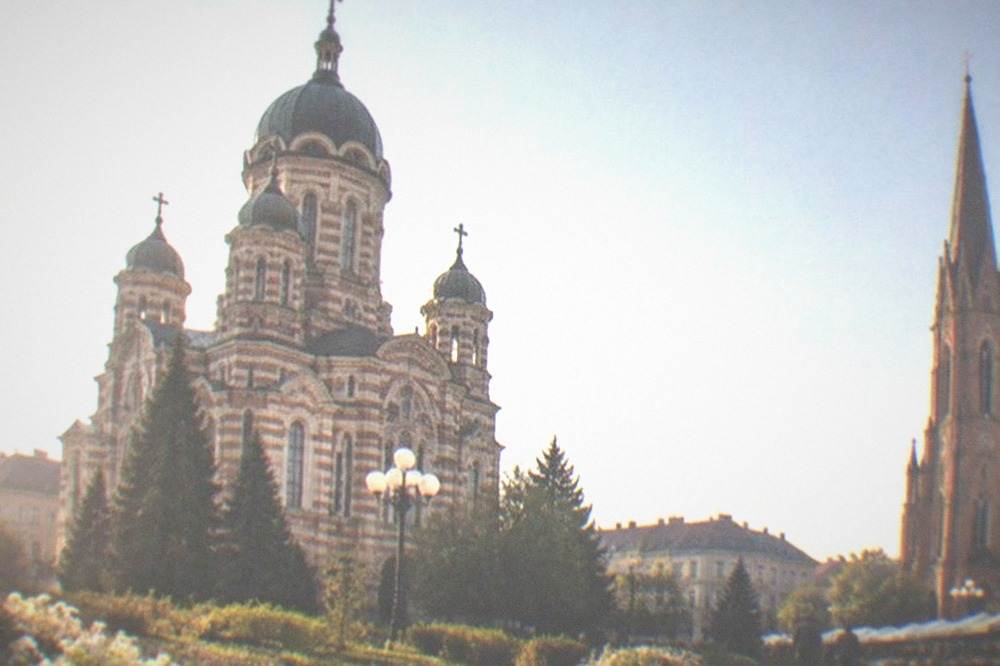
One practical note for 2026: Piata Traian is a live construction site for the square's redevelopment, and the STPT alerts feed confirms trams are diverted around it from 3 August 2026 until the end of the year, so check the live service before riding. The square itself remains open to pedestrians, and the church is fully accessible on foot from the surrounding streets. Walkers coming from Cetate can cross the Bega on foot and approach from the west, which also passes some of the district's best-preserved facades, so the diversion costs nothing in atmosphere.
When Is The Best Time Of Year To Visit Timisoara's Churches?
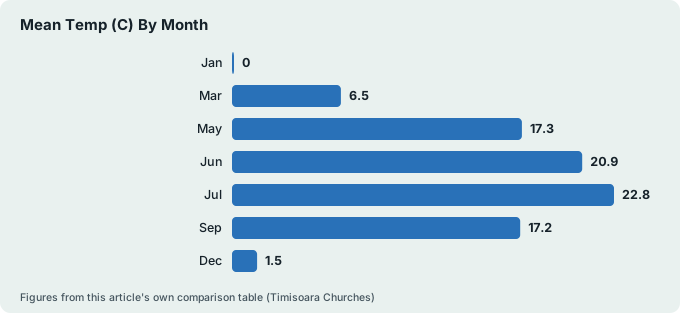
The best months to visit Timisoara's churches are May, June and September, when the JMA climate normals for the city's weather station show means of 17.3 C, 20.9 C and 17.2 C respectively, warm enough for walking between squares without summer heat, and precipitation stays moderate at 57.2 mm, 79.1 mm and 50.4 mm. December brings a different reward: the Christmas Market season fills Piata Victoriei, and the 1.5 C mean is cold but rarely blocking.
Timisoara's climate is firmly continental. July is the warmest month at a 22.8 C mean and January the coldest at 0.0 C, with March the driest month at 34.1 mm and June the wettest at 79.1 mm across a 600.7 mm annual total. Church interiors are unheated in some buildings and stuffy in others, so shoulder-season walking weather genuinely matters here. The best time to visit guide and the weather by month guide break this down month by month.
| Month | Mean temp (C) | Precip (mm) | Church-visiting verdict |
|---|---|---|---|
| Jan | 0.0 | 37.3 | Cold walks, warm interiors |
| Mar | 6.5 | 34.1 | Driest month, quiet squares |
| May | 17.3 | 57.2 | Peak walking weather |
| Jun | 20.9 | 79.1 | Warm, wettest month, carry a shell |
| Jul | 22.8 | 61.9 | Warmest, start early |
| Sep | 17.2 | 50.4 | Excellent, festival season |
| Dec | 1.5 | 44.7 | Christmas Market atmosphere |
How Do You Get Between The Churches In Timisoara?
You get between Timisoara's churches mostly on foot, because six of the seven major buildings sit inside or on the edge of the Cetate and Fabric districts, and the STPT network fills the gaps with a 5 lei single ticket that is valid for 60 minutes on trams, trolleybuses, buses and even the Bega water bus. A 1-day pass costs 18 lei and covers the same network, payable by contactless bank card on board, e-wallet, SMS or the eTicket system.
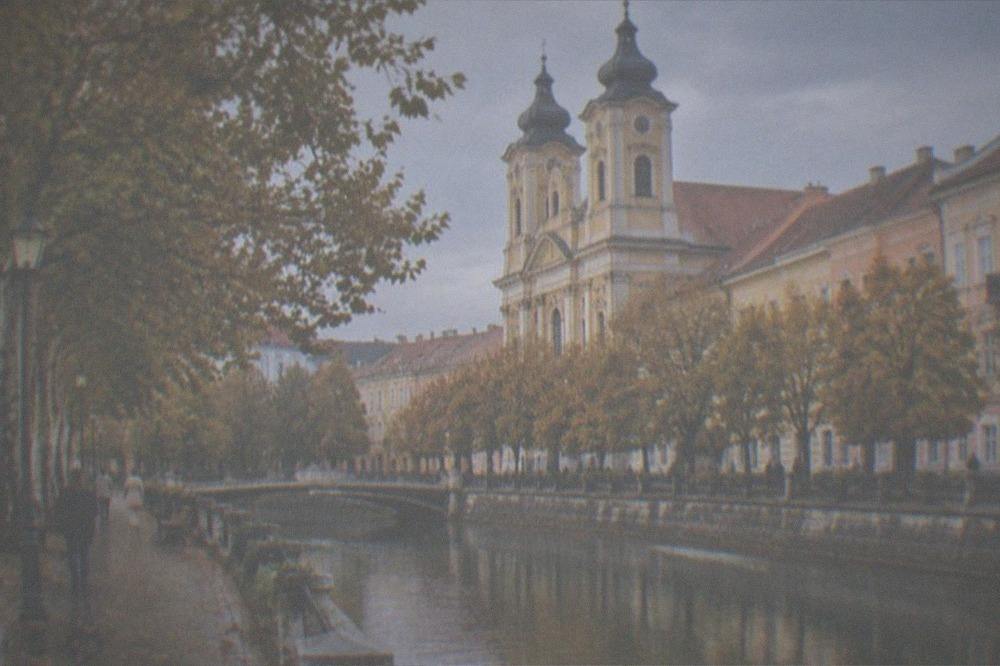
The walking geometry is simple. Piata Unirii, Piata Victoriei and the Metropolitan Cathedral form a north-south spine through Cetate; the Millennium Church and Fabric Synagogue lie east across the Bega; and the Iosefin parish church is a short tram ride south. The getting around guide covers the full network, and the Bega canal guide explains the seasonal water bus, which runs from 1 April to the end of October with nine stops per direction.
| Ticket | Price | Validity |
|---|---|---|
| Single ticket | 5 lei | 60 minutes, all modes including water bus |
| 1-day pass | 18 lei | All modes for one day |
| 30-day general pass | 160 lei | All modes, 30 days |
| Payment on board | Contactless bank card | POS terminals in vehicles |
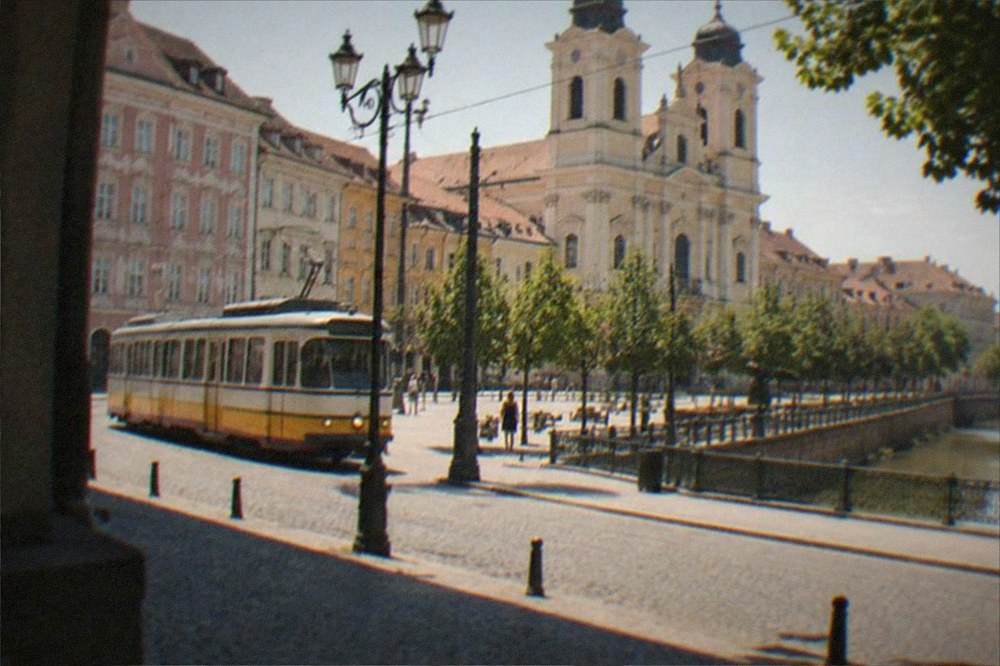
Two practical cautions. First, the airport express line E4 runs from Theresia Bastion to the airport, useful if your church day doubles as an arrival day; the airport to city center guide has details. Second, the runway at Traian Vuia airport is fully closed for repairs from 2 to 22 November 2026 per the airport's July 2026 announcement, so if your November trip relies on flying in, check the flights to Timisoara guide before booking around that window. Real-time arrival information is available through the STPT live service, which helps when the Piata Traian diversions shift tram routes mid-visit.
Which Museums And Memorials Pair Well With Timisoara's Churches?
The sites that pair best with a church itinerary are the Memorial of the 1989 Revolution, which charges adults 20 lei and opens Monday to Friday 08:00 to 17:00 and Saturday to Sunday 10:00 to 18:00, and the National Museum of Art in the Baroque Palace on Piata Unirii, which in summer runs Wednesday to Sunday 13:00 to 21:00 and in winter 10:00 to 18:00, closed Monday and Tuesday.
Both sit directly on or beside the church walking routes, so neither adds travel time.
The Memorial matters to the church story specifically: the 1989 Revolution began with the Reformed pastor Laszlo Tokes and spread through the city's parishes before erupting in Piata Victoriei, and the Memorial's permanent exhibitions and documentary film cover that chain of events. The Memorial Museum guide covers what to expect inside.
| Site | Verified opening pattern | Adult fee |
|---|---|---|
| Memorial of the 1989 Revolution | Mon-Fri 08:00-17:00, Sat-Sun 10:00-18:00 | 20 lei |
| National Museum of Art (Baroque Palace) | Summer Wed-Sun 13:00-21:00, winter 10:00-18:00, closed Mon-Tue | Fee on the museum's own page |
| Banat Village Museum | Wed-Sat 10:00-18:00, Sun 12:00-20:00, closed Mon-Tue | 20 lei |
| Huniade Castle / National Museum of Banat | Closed for restoration, partial reopening targeted 2027 | Not applicable |
The Art Museum deserves the pairing for a second reason: its Baroque Palace is itself the third great baroque monument of Piata Unirii, standing between the two cathedrals, and the museum's own information page reports it remains open and active while the county council prepares a full building rehabilitation estimated at 9 million euros. The Banat Village Museum, meanwhile, adds a countryside dimension with its relocated wooden churches and traditional houses, and its Sunday hours, 12:00 to 20:00, make it the rare major site that improves a Sunday plan. For a rainy-day alternative built around these interiors, see the rainy day in Timisoara guide.
What Tours And Day Trips Extend A Timisoara Churches Visit?
The tours that extend a church-themed visit are the city's history and ecumenical walking tours, which pass the major sacred buildings with a guide, and two Banat-region day trips that carry the multi-faith story into the countryside, where village churches and traditions survive in the landscape around the city. A walking tour of the 1989 Revolution sites adds the political history that made several of these churches famous, and a countryside trip shows the rural Banat that fed the city's mixed communities.
The Revolution walking tour is the natural companion to this guide, because it connects the parishes where December 1989 began with the squares where it culminated:
For the same route with live availability, Check availability on the operator's live listing.
Beyond the city, the Banat countryside holds its own sacred and folk heritage, and these two trips cover it well:
The wider regional context, including the Serbian borderlands whose Orthodox communities historically connected to Timisoara's Serbian cathedral, is covered in the Banat region guide. For evening planning after a day of facades and frescoes, the Timisoara restaurants guide and the Timisoara food guide list where to eat near each square.
Common Questions About Timisoara Churches
What is the main church in Timisoara?
The Orthodox Metropolitan Cathedral, standing at the south end of Piata Victoriei, is the city's main church and its most recognizable building, with a tall central tower and Neo-Romanian design drawing on Byzantine forms. It is the seat of the Metropolis of Banat.
Why does Timisoara have a Serbian Orthodox cathedral?
Timisoara's Serbian Orthodox community was formally recognized in the Habsburg era and built its cathedral on Piata Unirii, where it still faces the Roman Catholic cathedral across the square. The Serbian community's own cathedral on the square was built between 1744 and 1748, in the Habsburg administration's first decades in the city.
Can you visit the synagogues in Timisoara?
Yes. The Cetate Synagogue's restoration was described in December 2025 reporting as almost complete, and the building hosts public events such as the annual Hanukkah lighting. The Fabric Synagogue stands in the Fabric district and is covered in its own guide on this site.
How long does a Timisoara churches walk take?
A loop covering Piata Unirii's two cathedrals, the Cetate Synagogue, the walk to the Metropolitan Cathedral and a tram hop to Fabric's Millennium Church fits comfortably into half a day at a relaxed pace, with the whole route served by a 5 lei single ticket valid for 60 minutes or an 18 lei day pass.
Is there a dress code for Timisoara's churches?
As with Orthodox, Catholic and synagogue visiting anywhere, modest dress covering shoulders and knees is expected, and men should remove hats inside Orthodox churches. Services remain active in all the working parishes, so time visits around liturgies if you want quiet sightseeing rather than worship.
Are Timisoara's churches open on Mondays?
The working parish churches hold services daily, but museum-type sites around them follow weekly patterns: the National Museum of Art is closed Monday and Tuesday, and the Banat Village Museum is closed Monday and Tuesday, per their own published schedules. Check each building's own channels before planning a Monday visit.
Timisoara's churches are best understood not as a list of buildings but as one story told in five architectural languages, and the squares that hold them are the same squares where the city's history, from Habsburg colonization to the 1989 Revolution, actually happened.